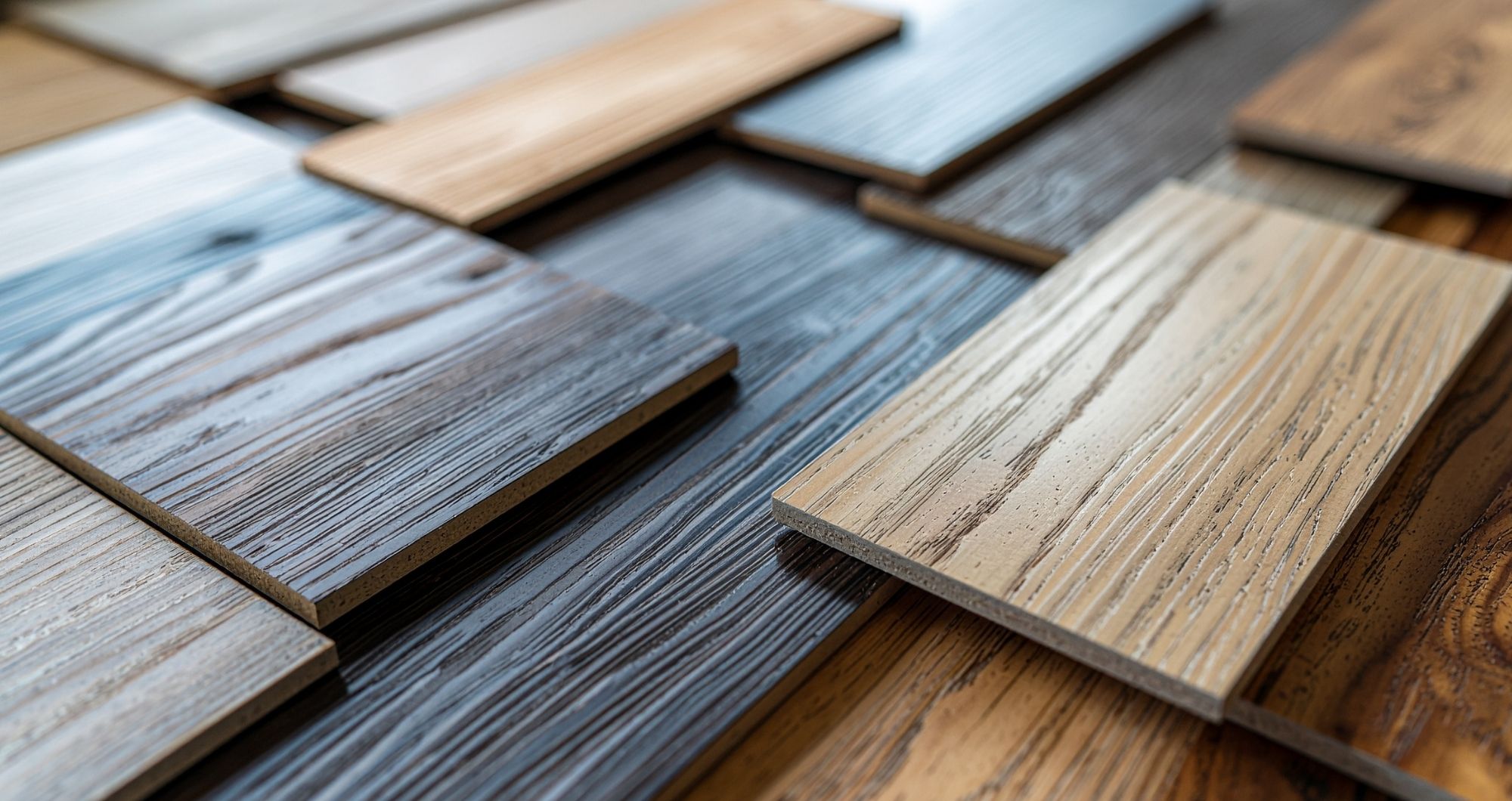

Choosing the right flooring is one of the most important decisions when designing or renovating your home. Flooring not only affects the overall appearance of a space but also plays a key role in durability, comfort, and maintenance. Two of the most popular options are real wood flooring and engineered wood flooring, each offering its own set of benefits.
Understanding the differences between these options can help you decide which is best suited to your needs, lifestyle, and budget.
What Is Real Wood Flooring?
Real wood flooring, often referred to as solid wood flooring, is made from a single piece of natural timber. Each plank is crafted from hardwood such as oak, walnut, or maple, giving it a timeless and authentic appearance.
One of the main advantages of real wood flooring is its longevity. With proper care, it can last for decades and can be sanded and refinished multiple times to restore its original look. This makes it a popular choice for homeowners looking for a long-term investment.
Real wood also offers a unique aesthetic, with natural variations in grain and colour that add character to any space. No two planks are exactly the same, which contributes to its appeal.
What Is Engineered Wood Flooring?
Engineered wood flooring is designed to offer the appearance of real wood while improving stability and versatility. It consists of a top layer of real hardwood, supported by multiple layers of plywood or high-density fibreboard beneath.
This layered construction makes engineered flooring more resistant to changes in temperature and humidity. As a result, it is less likely to expand or contract compared to solid wood.
Engineered wood flooring is often easier to install and can be used in areas where solid wood may not be suitable, such as kitchens or rooms with underfloor heating.
Appearance and Aesthetic Appeal
When it comes to appearance, both options offer a natural wood finish that can enhance the look of any room. Since engineered flooring uses a real wood veneer on top, it closely resembles solid wood in terms of style and texture.
For most homeowners, the visual difference between the two is minimal once installed. Both can be finished in a variety of colours, stains, and finishes to suit different interior styles.
Whether you prefer a classic, rustic look or a more modern and sleek design, both types of flooring can deliver the desired effect.
Durability and Longevity
Durability is an important factor to consider when choosing flooring. Solid wood flooring is known for its strength and can be refinished several times over its lifespan. This makes it a durable option for long-term use.
However, it is more sensitive to moisture and temperature changes, which can cause warping or gaps over time if not properly managed.
Engineered wood flooring, on the other hand, is designed to be more stable. Its layered construction helps it withstand environmental changes, making it a practical choice for areas with varying conditions.
While engineered flooring can also be refinished, this depends on the thickness of the top wood layer. Higher-quality options typically allow for at least one or two refinishing processes.
Installation and Versatility
Installation is another key difference between the two options. Solid wood flooring usually requires professional installation, as it needs to be nailed or glued down and may require acclimatisation before fitting.
Engineered wood flooring offers more flexibility. It can often be installed using a click-lock system, making the process quicker and less invasive. It is also compatible with a wider range of subfloors, including concrete.
This versatility makes engineered flooring a popular choice for modern homes and renovation projects where ease of installation is a priority.
Maintenance and Care
Both types of flooring require regular maintenance to keep them looking their best. Sweeping or vacuuming to remove dirt and debris, along with occasional cleaning using appropriate products, is essential.
Solid wood flooring may require more attention when it comes to moisture control. Spills should be cleaned promptly to prevent damage, and humidity levels should be monitored to avoid expansion or contraction.
Engineered wood flooring is generally easier to maintain in environments where moisture levels fluctuate. Its construction provides added protection, making it a more forgiving option in busy households.
Cost Considerations
Cost is often a deciding factor when choosing between real wood and engineered flooring. Solid wood flooring tends to be more expensive due to the use of high-quality timber and the complexity of installation.
Engineered wood flooring is typically more affordable, offering a similar appearance at a lower price point. It also reduces installation costs due to its simpler fitting methods.
However, it is important to consider long-term value as well. While solid wood may have a higher upfront cost, its ability to be refinished multiple times can extend its lifespan significantly.
Making the Right Choice
Ultimately, the choice between real wood and engineered flooring depends on your specific needs and preferences. If you are looking for a traditional, long-lasting option and are willing to invest in maintenance, solid wood flooring may be the ideal choice.
If you prefer a more versatile, cost-effective solution that performs well in a variety of environments, engineered wood flooring could be better suited to your home.
For homeowners exploring high-quality options, consulting specialists in Wood Flooring London can provide valuable guidance on selecting the right materials and finishes. Professional advice ensures that your flooring choice aligns with both your design vision and practical requirements.
Final Thoughts
Both real wood and engineered flooring offer distinct advantages, and neither is universally better than the other. The key is to understand how each option performs in different conditions and how it fits with your lifestyle.
By considering factors such as durability, maintenance, cost, and installation, you can make an informed decision that enhances both the appearance and functionality of your home. A well-chosen floor not only adds style but also provides comfort and value for years to come.