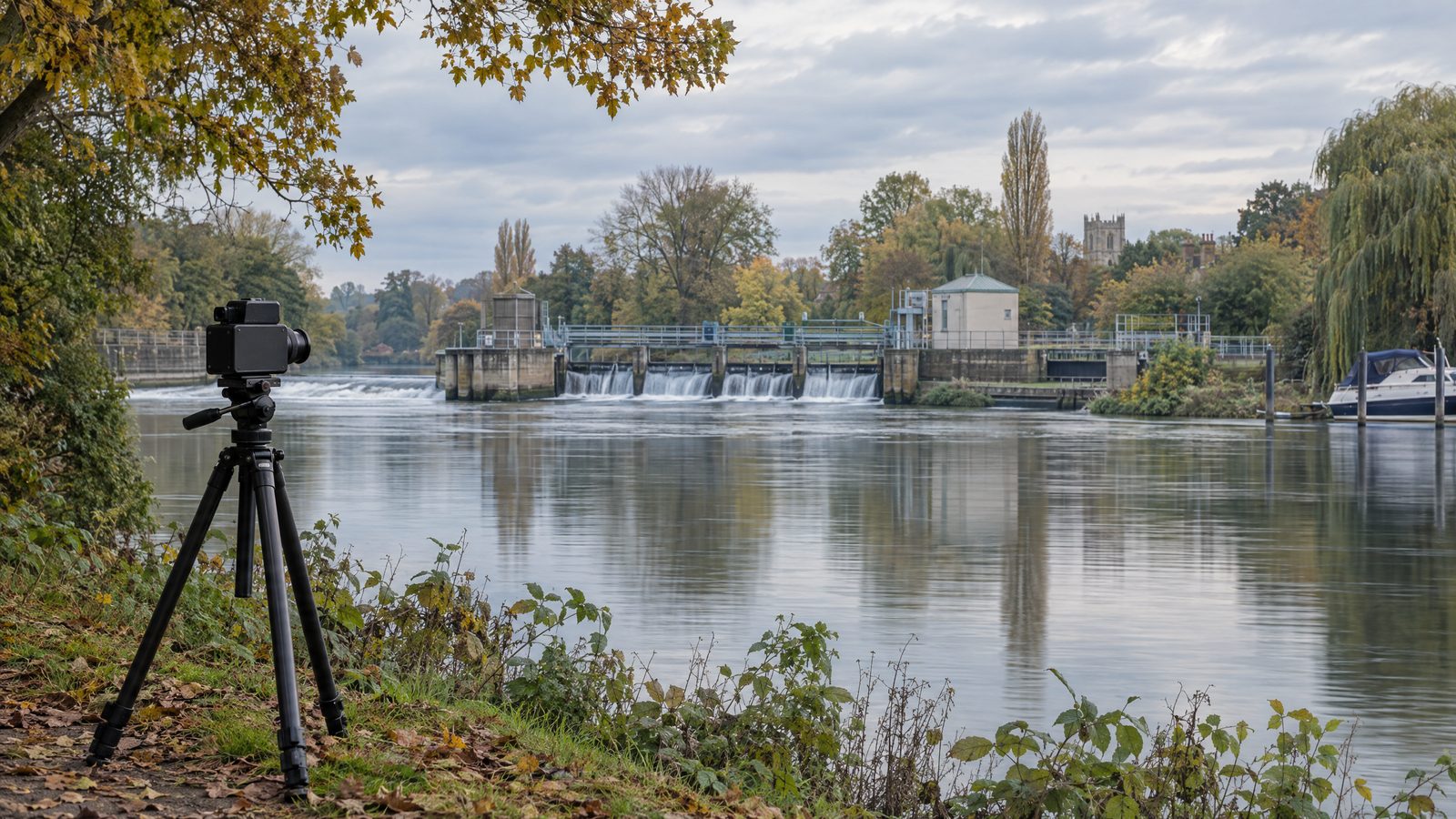

Richmond Council has refused a production company permission to film a customer-awareness video for Thames Water in the borough, turning a routine filming request into a public expression of the authority’s opposition to the proposed Teddington Direct River Abstraction scheme.
Council leader Gareth Roberts said the authority was surprised by the request while the water company continued to pursue a project that the council believes would harm the area. In a video issued by the council, he said the borough would not provide a backdrop for the company’s promotional material. Roberts said the authority wanted Thames Water to shelve its plans for the scheme.
A filming decision, not a planning decision
The refusal concerns permission to film promotional material on behalf of the company. It is not a planning ruling, a regulatory finding or a decision on whether the abstraction project can ultimately proceed. Thames Water has said it expects to apply for a development consent order in early 2027. That application has not yet been submitted, and the project remains a proposal subject to further examination.
The company said a production firm approached the council about filming as part of the next phase of its customer-awareness campaign. It said the proposed video would explain investment intended to improve services, reduce leaks and cut pollution, and update customers on work delivered over the previous year. The company described the wider programme as the biggest upgrade to its network in 150 years. The council’s refusal does not cancel that campaign or establish anything about the quality of the company’s services.
What the proposed scheme would do
Thames Water’s current outline says the project could provide up to 75 million litres of additional water a day during periods of drought. Water would be taken from the Thames upstream of Teddington Weir and transferred through a connecting pipeline to an existing underground tunnel leading to reservoirs in the Lee Valley. The company says the water would then be treated for drinking-water supply.
To replace the abstracted river water, the proposal would send recycled water from Mogden Sewage Treatment Works in Isleworth through a new underground pipeline to an outfall upstream of the weir. The promoter says the design would maintain river levels and protect the river environment. Those are the company’s stated aims; the scheme’s environmental effects and operating arrangements would be assessed through the consent process rather than settled by its own description.
The project page says the company held a statutory consultation in 2025 and a supplementary consultation in May 2026 on proposed changes near Burnell Avenue and Beaufort Road. It also says later design revisions include moving structures within Mogden, utility works on the A316 Chertsey Road and a temporary vehicle holding area off the A316 Country Way. The company says it is consulting people directly affected by those changes while preparing the documents for a future application.
Why the dispute remains contentious
Roberts and other opponents have raised concerns about potential effects on water quality, wildlife and human health, and have argued that alternatives to the scheme should be considered. Those concerns are contested questions about a proposed project, not established findings of harm. Thames Water has previously said its plans would meet Environment Agency water-quality standards and comply with relevant legal and regulatory requirements. The application and its evidence have yet to be examined by the decision-maker.
The disagreement also reflects competing views about how London should prepare for drought. Thames Water says demand in its supply area is expected to grow and that hotter, more extreme weather will increase pressure on water resources. It presents the scheme as one element of a broader response that also includes reducing leakage and encouraging customers to use less water. The council says other supply options have not been adequately explored and objects to the proposed method and location.
The council’s public refusal makes clear that the dispute has moved beyond technical consultation into a visible local campaign. But it does not alter the project’s formal status. The next decisive steps will be the company’s application, publication of its supporting environmental evidence and the examination process in which residents, authorities and regulators can put forward representations. Until then, neither the council’s refusal to host a film shoot nor the promoter’s assurances resolve the underlying planning and environmental questions.