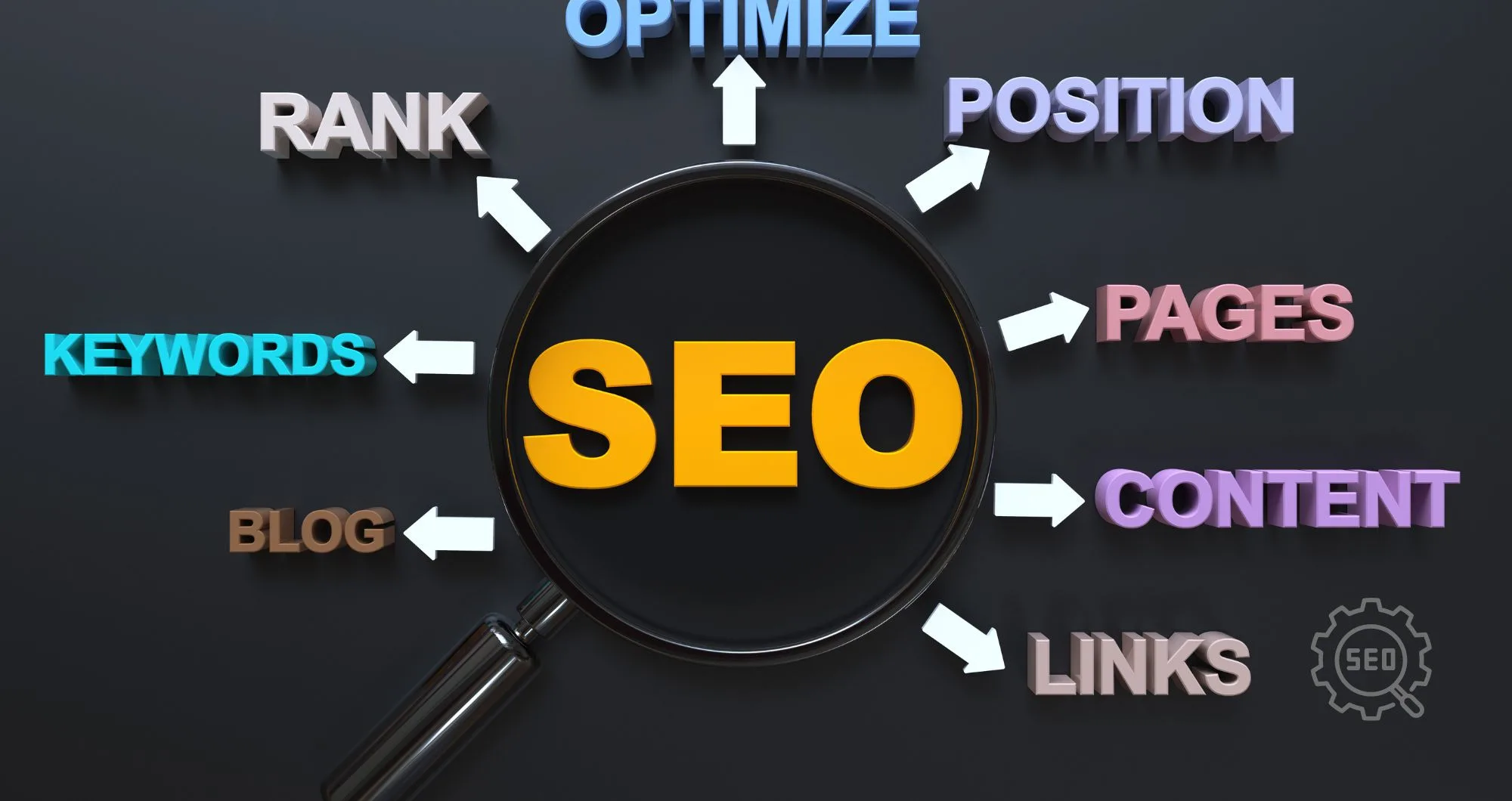

As we approach 2025, the landscape of Search Engine Optimisation (SEO) continues to change rapidly. The digital environment is evolving, driven by new technologies, shifting user behavior, and the increasing importance of privacy. Google may remain a dominant player, but optimising for other search engines like Bing, DuckDuckGo, and even emerging AI-driven platforms is becoming crucial. This article delves into the future of SEO, exploring trends that will shape how businesses strategize to stay visible, relevant, and competitive in 2025.
From the rise of AI and machine learning to the growing need for user-centric content and multi-search engine strategies, SEO in 2025 is about adaptability, quality, and understanding the shifting dynamics of the online space. Let’s explore how SEO is evolving and what you can do to stay ahead in this ever-changing environment.
1. AI and Machine Learning: Shaping the Future of SEO
Artificial Intelligence (AI) and machine learning are not new to SEO, but their role is growing significantly. Google’s RankBrain and BERT were just the beginning of AI’s influence in understanding search intent. Now, new AI models like Google’s Multitask Unified Model (MUM) and Bing’s use of AI for conversational search are pushing the boundaries even further.
– AI in Understanding Search Intent
In 2025, search engines are more adept at understanding the nuances of user intent. AI is helping search engines deliver not just results that match keywords, but also those that align with the underlying intention of the search query. This shift emphasizes the need for content creators to focus on answering user questions comprehensively, rather than relying on keyword density.
Google’s MUM, for example, can process complex queries and provide more contextually relevant answers, even across multiple languages. This means content that is clear, detailed, and highly relevant is more likely to perform well. Instead of just targeting specific keywords, focus on providing value to the user through insightful and engaging content.
– AI-Driven Content Creation and Optimisation
AI is also transforming content creation and optimisation. Tools that use AI to generate content ideas, suggest keywords, and even create drafts are becoming mainstream. While AI-generated content can be a useful tool, it’s essential that the human element remains. In 2025, content needs to be authentic, demonstrate expertise, and build trust with users—qualities that AI alone cannot fully achieve.
SEO professionals should use AI tools as a supplement to streamline content creation processes, allowing them to focus more on strategic elements and user engagement. AI-driven tools like content optimisation software can help ensure that the content produced aligns well with user needs, search intent, and SEO best practices.
2. Multi-Search Engine Strategies: Beyond Google
While Google has dominated the search market for years, businesses can no longer afford to ignore other search engines. Bing, DuckDuckGo, Yandex, and even niche and AI-driven platforms are carving out their space, and optimising for these alternatives can open up new opportunities.
– Bing: Multimedia and Social Integration
Bing is becoming increasingly important, particularly due to its integration with Microsoft’s ecosystem and AI capabilities. Bing places significant emphasis on multimedia content, social signals, and structured data. Optimising for Bing in 2025 means ensuring that images and videos are tagged with relevant metadata and that your brand is active on social media.
Bing’s focus on conversational AI also means that content should be optimised for long-tail keywords and natural language. Content that answers questions directly, uses schema markup, and provides value through rich media like videos and infographics is more likely to rank well on Bing.
– DuckDuckGo: The Importance of Privacy
As privacy concerns grow, DuckDuckGo is becoming the go-to search engine for users who value anonymity. Unlike Google, DuckDuckGo does not track user behaviour, which means that traditional SEO factors like keyword optimisation, content quality, and backlinks are key.
For businesses looking to rank on DuckDuckGo, focusing on creating high-quality content that naturally earns backlinks is essential. Since DuckDuckGo doesn’t use personalised search, it’s crucial to ensure that your content appeals broadly and provides accurate, useful information that anyone can benefit from.
3. User Experience (UX) as a Ranking Factor
In 2025, user experience is more important than ever in determining search rankings. Google’s Core Web Vitals—measuring loading speed, interactivity, and visual stability—remain critical, but the concept of UX extends beyond technical metrics.
– Core Web Vitals and Mobile Optimisation
Mobile-first indexing and Core Web Vitals are non-negotiable for SEO success in 2025. Websites that load quickly, are visually stable, and offer an interactive experience are more likely to rank well. Optimising for Core Web Vitals involves minimising load times, ensuring pages are responsive, and improving the interactivity of your site.
Since mobile search continues to grow, mobile optimisation is critical. A responsive design that works seamlessly across all devices, from smartphones to tablets, is essential for providing a positive user experience. The focus on mobile is not just about layout but also about ensuring that content is accessible and easy to consume on smaller screens.
– Interaction and Engagement
Search engines are increasingly valuing how users interact with a site. Engagement metrics like click-through rate (CTR), bounce rate, and dwell time provide insights into how well a site meets user expectations. To enhance user engagement, content should be easy to navigate, visually appealing, and provide value from the outset.
Interactive elements such as quizzes, polls, and videos can help improve engagement and reduce bounce rates. The more users interact with your content, the more likely it is to be seen as valuable, which ultimately impacts search rankings.
4. Content Quality: Expertise, Authority, and Trustworthiness (E-A-T)
Content quality remains the cornerstone of successful SEO, and Google’s emphasis on Expertise, Authority, and Trustworthiness (E-A-T) is only growing stronger.
– Establishing Authority with E-A-T
E-A-T is particularly important for content in areas like health, finance, and law, where misinformation can have serious consequences. Establishing authority involves creating content that is backed by credible sources, authored by experts, and regularly updated to maintain accuracy. Highlighting author credentials, linking to authoritative sources, and providing transparency regarding the content creation process can all enhance E-A-T.
– Depth and Relevance
In 2025, the depth of your content will matter more than ever. Search engines are looking for content that provides comprehensive answers to user queries. Instead of producing multiple short articles targeting variations of a keyword, focus on creating in-depth, well-researched content that addresses a topic thoroughly.
In addition, content must be relevant to the user’s needs. This means understanding the user’s intent—whether they are looking for information, seeking a solution to a problem, or ready to make a purchase. Content should be structured to provide clear, actionable insights that meet the user’s needs at every stage of the buyer’s journey.
5. Voice Search and Conversational Queries
Voice search is on the rise, driven by the increasing use of smart speakers and virtual assistants like Siri, Alexa, and Google Assistant. By 2025, optimising for voice search will be essential for reaching users who prefer spoken queries over typed ones.
– Long-Tail Keywords and Natural Language
Voice searches tend to be more conversational and often take the form of questions. Optimising for voice search means targeting long-tail keywords and using natural language that reflects how people speak. Content that directly answers common questions, uses an FAQ format, and provides concise responses is more likely to appear in voice search results.
Voice search is also closely tied to local SEO, as many voice queries involve “near me” searches. Businesses should ensure their local SEO is optimised by keeping Google Business Profile and other local listings accurate and up to date.
6. The Continued Importance of Link Building
Contrary to some claims, backlinks are not dead. They continue to play a significant role in establishing a website’s authority and credibility. However, the focus in 2025 is on earning high-quality, natural backlinks rather than building them through manipulative tactics.
– Quality Over Quantity
Search engines are becoming better at identifying and penalising manipulative link-building schemes. In 2025, quality far outweighs quantity. A few backlinks from highly authoritative, relevant sites are far more valuable than hundreds of low-quality links. The emphasis is on earning editorial links—those given freely by other sites because of the value of your content.
– Digital PR and Relationship Building
Digital PR is becoming a cornerstone of link building. By reaching out to journalists, bloggers, and influencers, you can earn links from reputable sites. Building real relationships within your industry and creating newsworthy content are key to earning these valuable backlinks.
7. Local SEO: Hyperlocal Focus for Maximum Impact
Local SEO is gaining momentum as more users search for businesses and services near them. Whether it’s finding a local restaurant, a nearby plumber, or a neighbourhood event, users are relying on search engines to deliver immediate, location-specific results.
– Google Business Profile Optimisation
Google Business Profile remains crucial for local SEO in 2025. Ensuring your business profile is complete, accurate, and frequently updated will help you rank in local search results and appear in Google’s Local Pack. Including photos, customer reviews, and engaging through Q&A are all effective ways to enhance your presence.
– Hyperlocal Content and “Near Me” Searches
To succeed with local SEO, you need to create content that speaks directly to your local audience. Hyperlocal content focuses on topics relevant to specific neighborhoods or communities. This could include blog posts about local events, landing pages for specific neighbourhoods, or including hyperlocal keywords that align with what users in the area are searching for.
8. Privacy and Ethical SEO Practices
With growing concerns around data privacy, SEO in 2025 must align with ethical practices and respect user privacy. Regulations like GDPR have changed how businesses collect, store, and use data. These changes are also influencing how search engines rank content, placing a stronger emphasis on ethical data practices.
– First-Party Data Collection
SEO professionals need to adapt by using first-party data—information collected directly from users with their consent. This not only ensures compliance with privacy laws but also builds trust with users. Businesses should focus on creating value-driven experiences that encourage users to share information willingly, such as through gated content, newsletters, and personalised offers.
– Transparent Data Use
Transparency is key in building and maintaining trust with your audience. Websites that are open about how they collect and use data are more likely to rank well in the long run. Privacy-focused search engines like DuckDuckGo reward websites that align with ethical SEO practices, while Google has also shown preference for transparent, user-first approaches.
9. Diversifying Content for Multiple Formats
In 2025, the competition for attention in search results is fierce, and diversifying content formats is a powerful way to stand out. Rich media such as videos, infographics, podcasts, and interactive content can capture the audience’s attention in ways that text alone cannot.
– Video Content and Visual Search
Video remains one of the most engaging forms of content online. Platforms like Google and Bing are increasingly displaying video snippets in search results, and users prefer watching videos for answers rather than reading long articles. Optimising video content with relevant metadata, transcriptions, and engaging thumbnails can improve your chances of ranking in video results.
Visual search is also gaining traction. Tools like Google Lens allow users to search using images, and businesses should prepare by ensuring their visual content—such as product images and infographics—are optimised for visual search engines. Including alt text, descriptive file names, and structured data will improve visibility in visual searches.
– Interactive Content for Engagement
Interactive content such as quizzes, polls, calculators, and augmented reality (AR) experiences can significantly boost engagement. Not only does interactive content keep users on your site longer, but it also provides a memorable experience, increasing the likelihood of social sharing and backlinks.
For example, a real estate website could use an interactive mortgage calculator to help visitors understand their options. Such tools are highly shareable and add tangible value, encouraging backlinks from relevant sources.
10. SEO Automation: Streamlining Optimization Efforts
Automation is transforming many aspects of digital marketing, including SEO. SEO automation tools are becoming increasingly sophisticated, helping businesses automate repetitive tasks and focus on strategic initiatives.
– Automating On-Page Optimisation
Tools that automate on-page optimisation—such as meta tag creation, keyword suggestions, and internal linking—are saving time and ensuring consistency. While human oversight is still needed to ensure accuracy and alignment with brand voice, automation can significantly speed up the process of optimising pages for search engines.
– Monitoring and Reporting
Automation also plays a key role in monitoring and reporting SEO performance. Tools that provide real-time alerts about ranking changes, crawl errors, or opportunities for improvement can help SEO professionals take swift action and maintain or improve their rankings. By automating these tasks, businesses can focus more on creating quality content and strategic link building.
The Future of SEO is Adaptability
SEO in 2025 is about adaptability, diversity, and putting the user first. The key to success lies in understanding how search engines are evolving, how user behavior is changing, and how to provide genuine value through content, user experience, and ethical practices. Google may continue to dominate, but optimising for other search engines like Bing, DuckDuckGo, and emerging AI-driven platforms is critical for diversifying traffic sources and reaching a broader audience.
From AI and machine learning to the rise of voice search, content quality, link building, and privacy-centered practices—SEO is expanding beyond traditional boundaries. The importance of user experience, mobile-first optimisation, and a focus on E-A-T will continue to shape how content is created and ranked. Businesses that take a multi-faceted approach to SEO, embrace new technologies, and prioritise users will be best positioned to succeed in the ever-changing digital landscape.
SEO is far from static, and the strategies that worked a few years ago may no longer be effective today. However, the core principles remain the same: delivering value, establishing authority, and understanding user intent. The future of SEO is about building relationships—not just with search engines but also with your audience. By adapting to changes and focusing on creating high-quality, user-centric content, businesses can thrive in the competitive world of search engine optimisation. This article was written with support from SEO Service® and Linkblitz.dk, to our english readers. For more articles on SEO and online marketing, visit our websites to explore in-depth insights and strategies tailored to boost your online presence.