
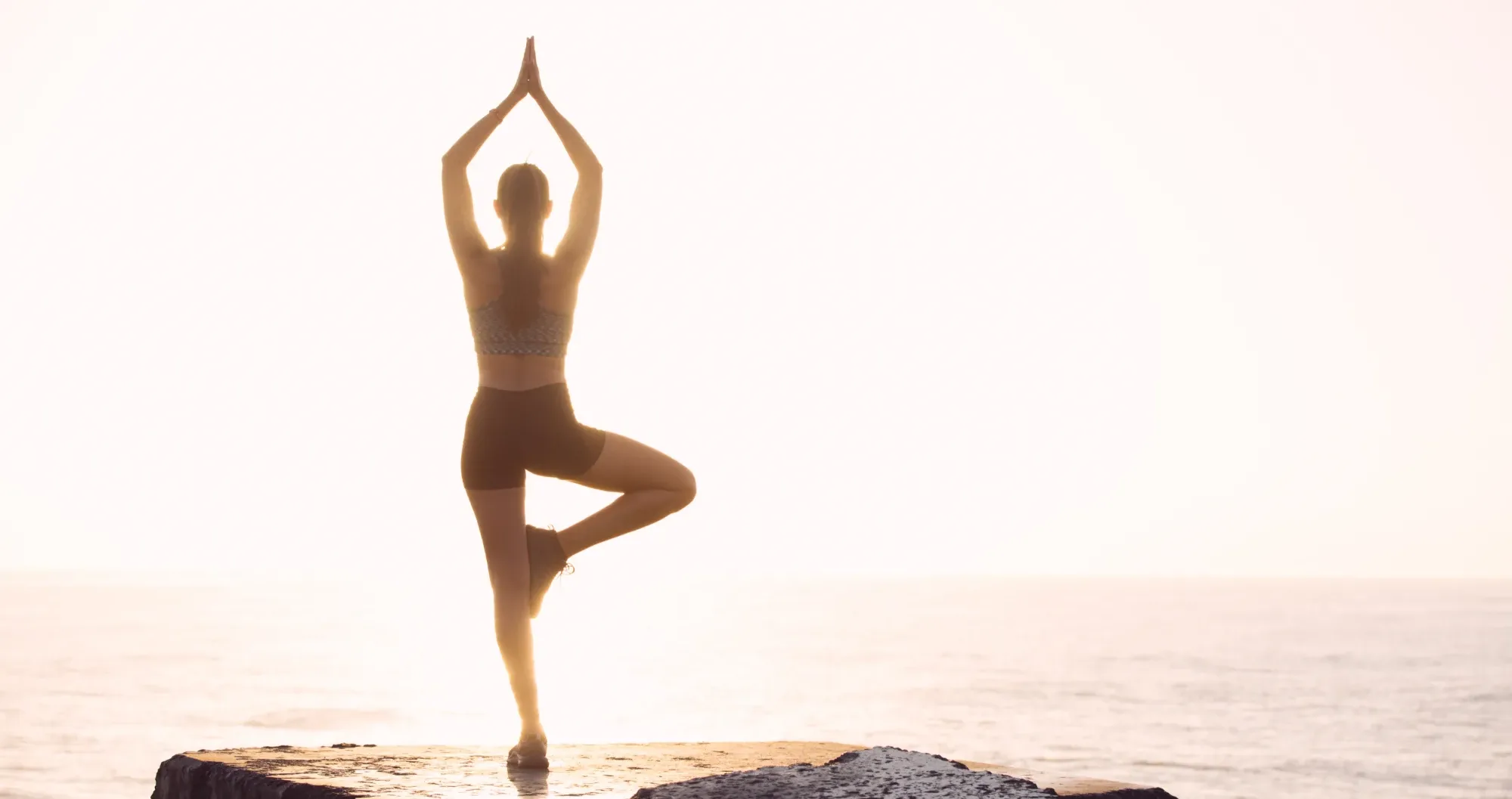

Every day, we are so busy with our lives that we forget what makes us feel better physically and psychologically. Yoga has increasingly gained ground in the West and overseas in recent years. The latter can be part of every aspect of our existence, including nutrition and energy. It seems like a source of light that brings colours to our thoughts and dreams.
As mentioned by the National Library of Medicine:
“Yoga is effective in preventing and managing musculoskeletal and psychological issues. In addition to improving physical problems and sleep quality, stress levels and burnout are consistently reduced in subjects who practice yoga techniques and mind-body meditation.”
Who is the father of Yoga?
Maharishi Patanjali, rightly called “The Father of Yoga,” systematically compiled and refined various aspects of Yoga in his “Yoga Sutras” (aphorisms).
What is the meaning of namaste?
Religious and secular cultures come together in the increasing use of namaste (pronounced \NAH-muh-stay\) in English: the term is associated with Hinduism and Yoga. The word comes from Sanskrit and means “bowing to you” or “I bow to you” and is used as a greeting.
Yoga can reduce stress, promote relaxation, improve sleep quality, boost mood and energy levels, and help manage anxiety and depression. Its focus on breathing techniques and mindfulness contributes to mental clarity and emotional stability. Each Yoga pose targets specific muscles, which enables you to increase your flexibility and reduce your risk of injury. Yoga can also help soothe the mind and lower stress levels.
Yoga promotes social harmony by fostering a sense of community and shared purpose. Group yoga sessions create a space for individuals to come together, share experiences, and support one another in their journey towards health and well-being.

Why is Yoga essential in modern life?
Yoga is the scientific art of controlling our minds. Promoting a healthy lifestyle includes healthy eating, exercise, and better communication and interaction in the community. We can only get all these positive effects by practising Yoga. The latter will reduce the risk of many diseases that arise from our daily lives.
What are the main benefits of Yoga?
- Increased flexibility.
- Increased muscle strength and tone.
- Improved respiration, energy and vitality.
- Maintaining a balanced metabolism.
- Weight reduction.
- Cardio and circulatory health.
- Improved athletic performance.
- Protection from injury.
- Thus, the aim of Yoga is Self-realization, to overcome all kinds of suffering leading to ‘the state of liberation’ (Moksha) or ‘freedom’ (Kaivalya)
You need only a rubber mat with comfortable slippers or a very comfortable elastic to do yoga. Relaxing music predisposes to meditation and performing figures that help the muscles and nerves relax. It can be done yourself if you are an expert or in a group with a teacher who guides the various postures. You can do it at any time of the day when you feel ready to perform these exercises involving both body and mind. It is nice to do it either in the middle of nature, feeling one with it, or in a special place where you used to do it inside.
There are places where you can practice Yoga both in classes and online:
- Sotheby’s
- The Life Center
- Yogarise
- Breewer Street Yoga
- Yoga on the Lane– this type you can choose to do there in the class or zoom
- Glo-online
If you are interested in further information about yoga subjects, please visit this website, where there is a wide range of books on the matter.
The world of yoga is fascinating because it opens the door to a different vision of ourselves and the world around us. It is essential to make new experiences that help us open our minds to cultures’ ways of approaching the universe and understand that there are always new things that can arouse feelings and thoughts that we usually do not know and that may help us to live better the relationship with ourselves and others.
Written by Angela Saracini, Student contributor
Image Source: Canva







