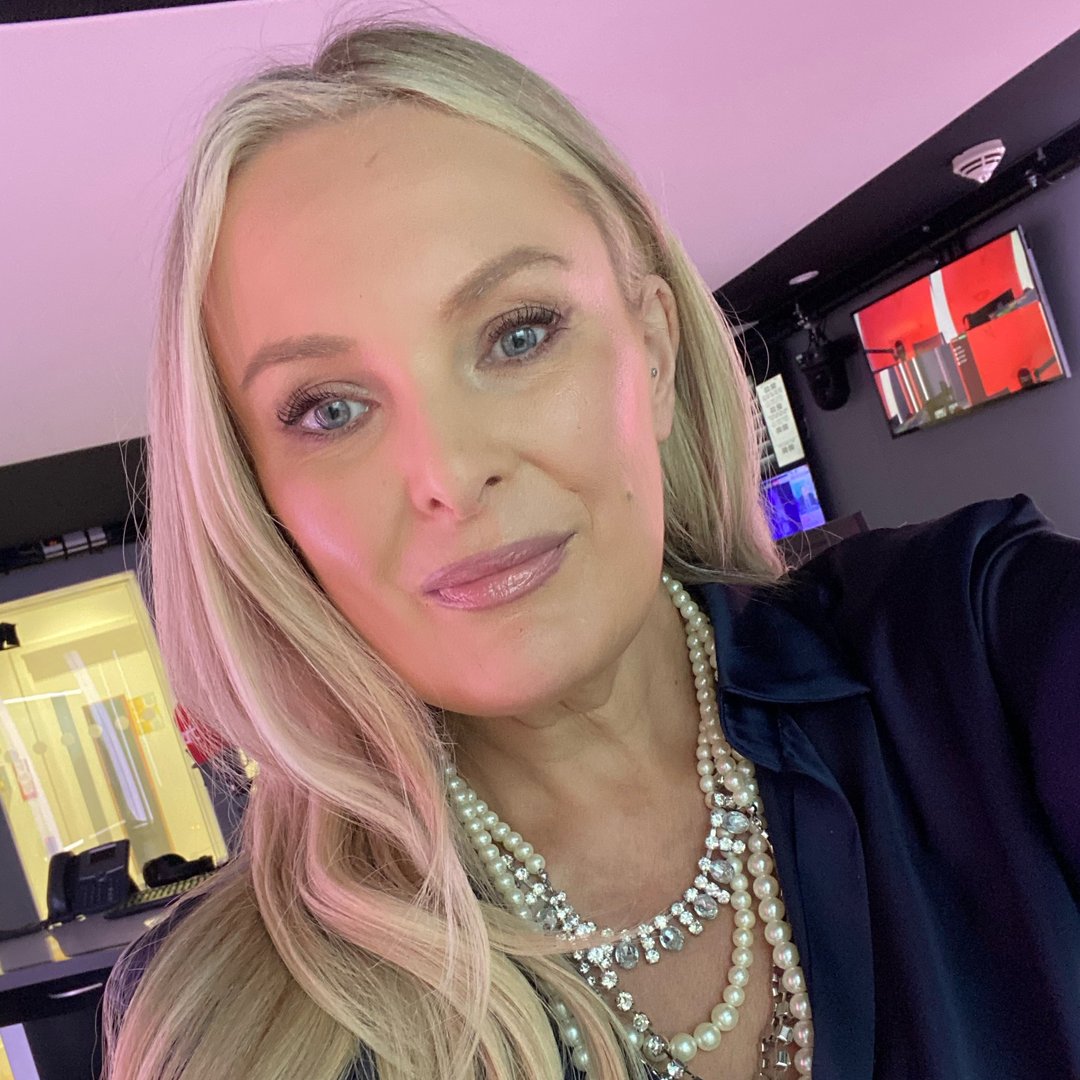
By Seema Flower, founder and MD of Blind Ambition
According to the World Health Organisation, around 40 million people in the world are blind, while another 250 million have some form of visual impairment.
Vision impairment poses an enormous global financial burden with the annual global costs of productivity losses associated with vision impairment estimated to be in the US alone, $ 411 billion.
The leading causes of vision impairment and blindness are uncorrected refractive errors and cataracts. The majority of people with vision impairment and blindness are over the age of 50 years; however, vision loss can affect people of all ages. Globally, at least 2.2 billion people have a near or distance vision impairment.
In at least 1 billion – or almost half – of these cases, vision impairment could have been prevented or has yet to be addressed.
Worldwide, the leading causes of vision impairment are:
- age-related macular degeneration
- cataract
- diabetic retinopathy
- glaucoma
- uncorrected refractive errors
Tech is advancing at a rapid rate and there are many different types of assistive technology available for people who are registered blind or visually impaired.
In this article, Seema Flower, founder of Blind Ambition shares her knowledge and expertise around tech and apps which can improve the lives of people who are visually impaired or registered blind.
Seema said:
“Blind Ambition was born from my passion to re-empower those who have been disadvantaged by their disabilities.
Educating organisations about disabilities and showing them that employing people with disabilities can have numerous benefits.
Blind Ambition offers in-house and virtual bespoke training around equality and diversity for disability and visual awareness.
As someone who has dealt with Retinitis Pigmentosa from a very young age, I want to be able to afford others the equal playing field that I missed out upon, ensuring that we have workplace equality.
Furthermore, improving life outside of work is crucial to those with disabilities and that is why I am branching into helping with confidence and resilience courses for those who need it.”
Here are 10 examples of the tech available:
1. Screen readers – Software that reads text on a computer screen and translates it into speech or braille output.
2. Braille displays – Devices that convert digital text into braille and display it on a refreshable braille cell.
3. Magnifiers – Software or hardware that magnifies text, images, or other content on a computer screen or other device.
4. Talking watches and clocks – Watches and clocks that announce the time audibly, or via a tactile feedback system.
5. Electronic reading devices – Devices that use text-to-speech technology to read books, newspapers, and other written material aloud.
6. Navigation systems – GPS systems or smartphone apps that provide audio or tactile directions for navigation.
7. Voice assistants – Virtual assistants like Siri or Alexa can be used
to make phone calls, send messages, and access other features without the use a visual display.
8. Optical character recognition (OCR) software – Software that scans printed text and converts it into digital text that can be read by a screen reader.
9. Colour recognition systems – Software or hardware that identifies colours and announces them audibly, or via tactile feedback.
10. Screen magnification software – Software that enlarges text and graphics on a computer screen, making it easier to read for people with low vision.
There are many apps available that can be useful for people who are blind or visually impaired. Here are some examples:
Be My Eyes
An app that connects blind or visually impaired users with sighted volunteers who can provide assistance through live video chat.
Seeing AI
An app that uses artificial intelligence to recognise and identify objects, people, and text, and provides spoken descriptions to the user. It is essentially a talking camera for the blind.
BlindSquare
An app that uses GPS and location-based technology to provide information about nearby points of interest and navigation assistance.
Voice Dream Reader
This is an app which reads text aloud from a variety of sources, including e-books, PDFs, and websites. This one costs £29.99 to download.
Supersense
Scans letters, documents, currency and more and receive an audible description. This app also allows users to hear the estimated distance of surroundings.
Aira
Connects blind or visually impaired users with trained agents who can provide assistance through live video chat.
Envision AI
This app that uses artificial intelligence to recognise and describe objects, people, and text, and provides spoken feedback to the user.
Seema Flower is one of the 100 most influential disabled people in the UK 2020 according to the Shaw Trust Power 100 list. She is a driven and passionate advocate of equality and has been training organisations in Disability Awareness issues for
over 25 years.
Her clients include Facebook, Marks & Spencer and John Lewis.
She has only 2% vision.
Seema is a qualified and experienced careers advisor. She has also run her own million-pound service business in Central London for 13 years and understands the importance of balancing reasonable adjustments with business needs.
Find out more here: https://www.blindambition.co.uk/