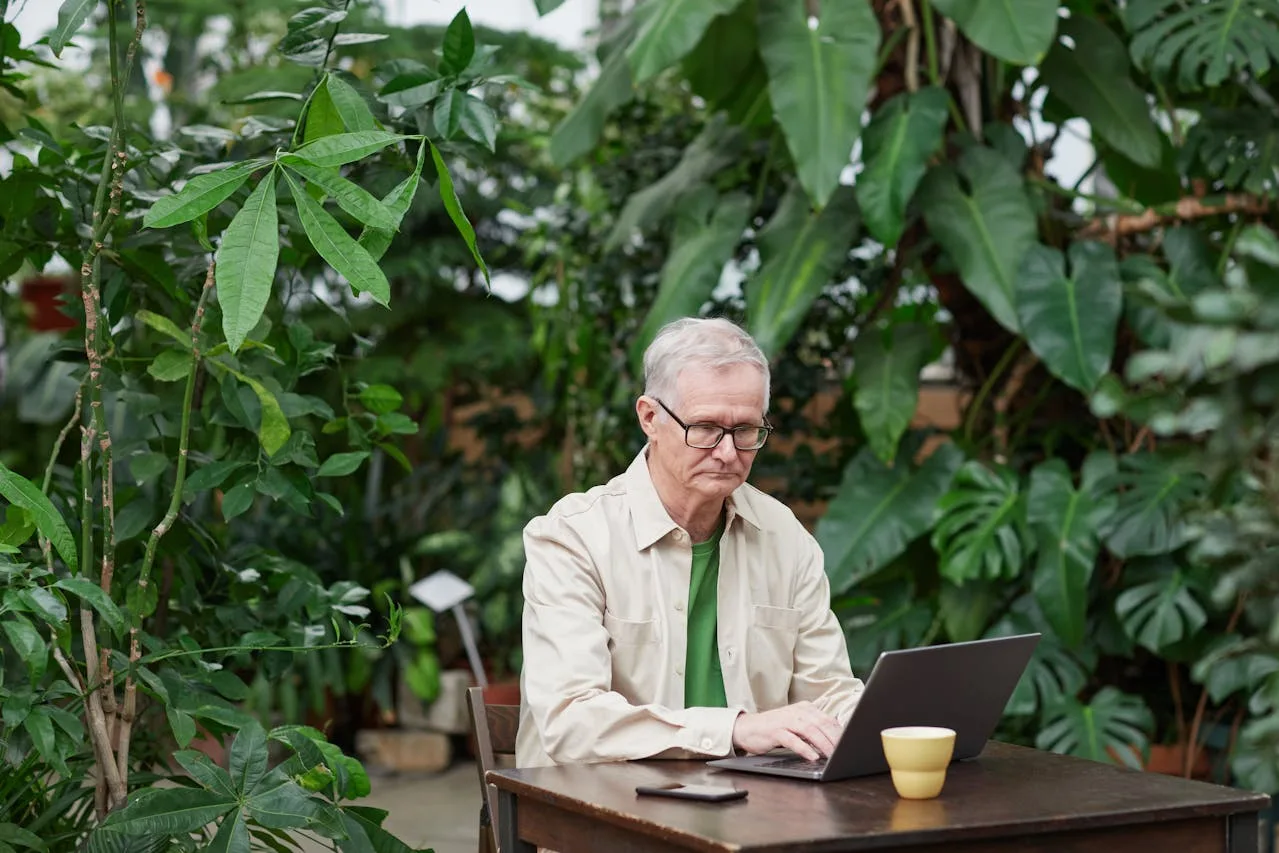

Most older people want to age in a familiar environment. Recent innovations are enabling more members of this population to retire in good health and feel empowered to live independently. These eight types of technology for older adults living alone can support their goal of staying self-sufficient during their golden years.
The Role of Technology in Older People’s Lives
Many older adults use technology for various purposes, such as to make their day-to-day tasks easier and to connect with their loved ones who live out of state or abroad. Although considered late adopters of smartphones, these people steadily move toward a digital life. Thanks to this shift, more can live independently and age in place.
Modern Technology for Older Adults Living Alone
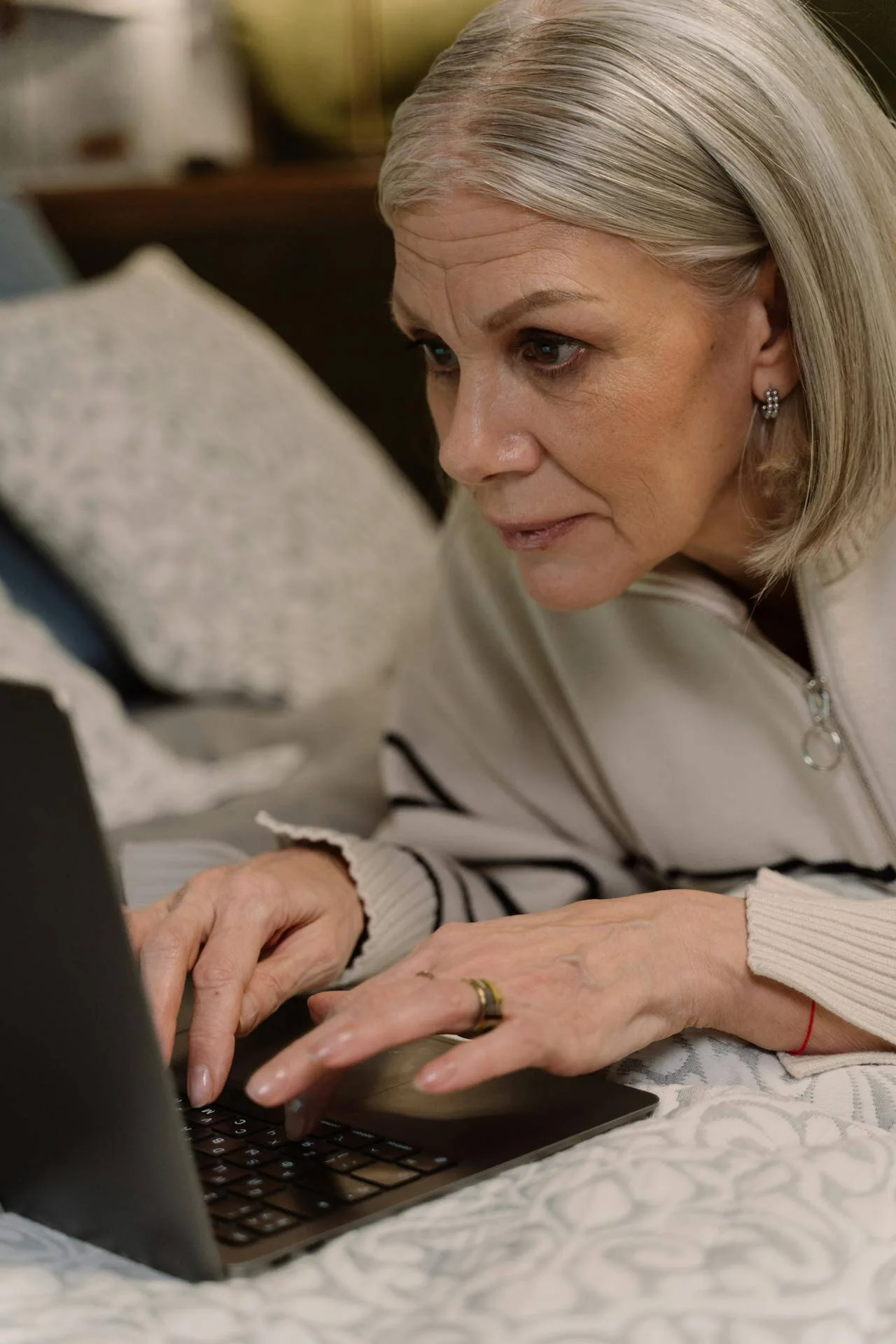
Aging relatives value independence more than anything else. For this reason, most adults prefer to stay in their homes after retirement rather than transition to an assisted living community. Independent living is increasingly possible, partly because of these modern advancements.
1. Smart Home Devices
Decreased mobility is a massive hurdle for older people. It limits the tasks they can do daily and makes living alone at home more challenging.
Smart home devices empower them to become self-sufficient. These tools use motion sensors to activate the functions of home appliances without human intervention. For example, smart lights automatically illuminate the bathroom as you open its door.
This feature limits the need to perform menial tasks, preserving energy for meaningful pursuits that make them happy. Many of these devices are voice-activated and can be integrated into a phone via an internet connection.
2. Wearable Health Technology
Family caregivers often worry about whether their loved ones are eating proper meals, exercising or getting adequate sleep when they live alone. One of the best tech for older adults is wearable devices that include smartwatches, bracelets and necklaces.
Fitness trackers monitor physical activity throughout the day so they know when to stretch or walk. Additionally, blood pressure monitors and biosensors, electrocardiogram monitors, and other wearables can provide various data to assess disease risk. With this technology, they can stay in the best health.
3. Telehealth Services
Over two million older adults are living with disability and unable to leave their homes, making it challenging for them to receive care. Modern innovations have allowed doctors to meet patients virtually and address their health concerns. Although not all care services can be delivered online — such as a laboratory test — virtual consultations are convenient for patients with mobility concerns.
4. Medical Emergency Response Systems
Adults 65 and older fall every second of the day. While most incidents are minor, some can be serious, resulting in costly hospital admissions. Technology that detects falls at home can give older people and their families peace of mind, knowing they can get prompt assistance in emergencies.
Fall detection devices use low-power radio wave sensors at various axes to evaluate your body position, physical activity and the smoothness of your movements. If the sensors detect abrupt movements that signal a fall, they place a call within seconds to connect you to a life safety consultant, who will determine how best to help you. This technology can be a lifesaver for older adults living alone.
5. Social Apps
Reduced social activities due to declining physical health can increase the risk of loneliness. Roughly one in three adults aged 50 to 80 feel isolated. Social apps like Facebook, Skype and YouTube can be a source of entertainment and connections with others.
With a few taps on the phone, they can call their children or grandchildren. Although virtual meetups can’t replace face-to-face socializations, they can help reduce loneliness and allow you to meet new friends online.
6. Robotic Assistance
Various types of robots promote a sustainable independent lifestyle. For instance, robotic assistants outfitted with sensors can clean, cook and give reminders for medications, alleviating some of the pressures of running a household.
Personal robots can also offer companionship care. Like a friend, older adults can converse or play games with them or ask them to help tend to the garden. Meanwhile, telepresence robots have video-conferencing capabilities that connect to the doctor when it’s time for a checkup or loved ones.
7. Online Banking and Automation
Although not a new feature, online banking has been instrumental in helping older people manage their money and stay financially independent. Instead of driving to the banks, they can automate bills, insurance and mortgage to ensure they’re paid on time, preventing penalty fees. By leveraging this best tech for older adults, you can stay on top of your payables.
8. Automatic Pill Dispensers
Nonadherence to medications can sometimes lead to worsening health. Automatic pill dispensers are beneficial for those having trouble remembering when to take their prescriptions because there are too many. About 84% of middle-aged and older people take supplements, with 41.9% taking four or more.
Medication dispensers have customizable settings to schedule medicine time, frequency and dosage. Once it’s pill time, it makes an alert, like a sound or blinking light. This technology is
Technology Features That Matter Most for Older People
Because of decreased vision and mobility, older relatives may struggle to integrate today’s innovations into their lifestyles. That’s why it’s important to choose tools that are wireless, simple to set up, easy to use, voice-activated and accessible via a larger screen. For example, if you can’t see your fitness data from a smartwatch because of the tiny screen, you can log in to your account on a tablet or laptop to view your statistics.
A complicated interface and set-up methods can discourage older people from using technology. Choosing apps that are senior-friendly and straightforward makes it easy to learn and use them.
Technology Increases Independence
Technology for older adults living alone supports independent living, allowing them to enjoy their golden years with more freedom. From smart home devices to pill dispensers, you can live sustainably and self sufficiently by incorporating these tools that make daily tasks easier into your life.