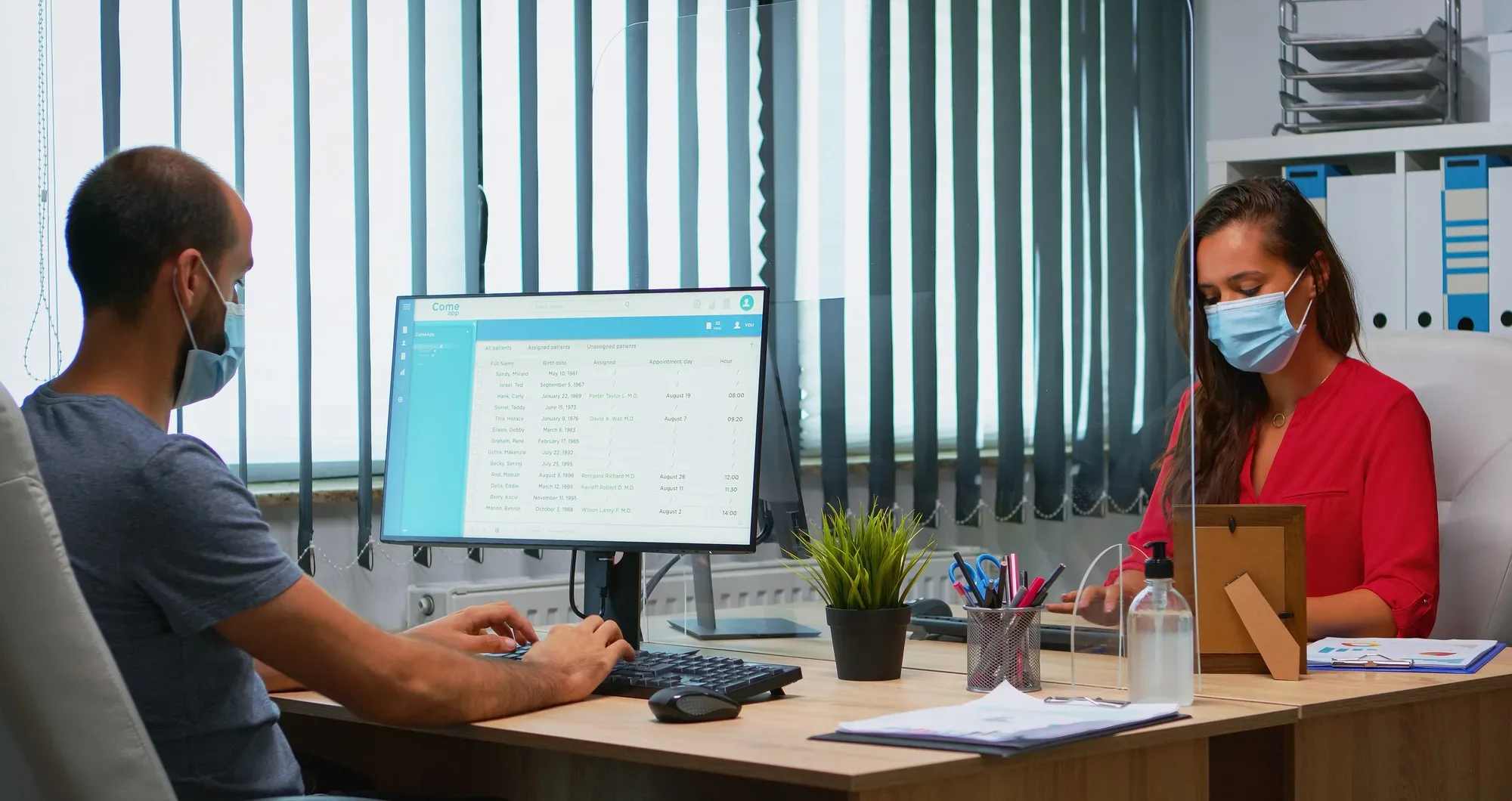

In the modern workspace, efficient management of office spaces is no longer a luxury—it’s a necessity. The rise of hybrid work models has further emphasized the need for tools that facilitate seamless communication, effective space utilisation, and enhanced productivity. Among the most transformative tools for modern offices are meeting room booking systems and desk booking systems.
These systems simplify the complexities of managing office spaces, ensuring that resources are utilised optimally and employees are empowered to work efficiently. This guide explores their features, benefits, challenges, and how they’re shaping the future of workspaces.
Why Meeting Room Booking and Desk Booking Systems Are Non-Negotiable Today
The shift from traditional offices to hybrid and remote work models has brought new challenges:
- Demand for Flexibility: Employees need adaptable workspaces tailored to diverse tasks.
- Enhanced Collaboration: Hybrid teams require reliable meeting spaces to bridge physical and virtual divides.
- Efficient Space Utilisation: Real estate costs are rising, making every square foot count.
Why Traditional Space Management Fails
Without automation, managing office spaces can lead to:
- Conflicts and Double Bookings: Employees inadvertently book the same room or desk at overlapping times.
- Time Wastage: Searching for available spaces reduces productive hours.
- Lack of Data: Manual systems provide no insights into how spaces are used, making optimisation impossible.
Automated desk booking systems and meeting room booking systems address these shortcomings, offering streamlined solutions that meet modern office demands.
Core Features of Modern Desk and Meeting Room Booking Systems
1. Real-Time Availability and Scheduling
Imagine walking into an office and instantly knowing which desks or rooms are available. These systems integrate with digital tools like calendars to provide real-time visibility, helping employees make informed decisions.
2. Integration with Communication Tools
Tools like Slack, Microsoft Teams, and Google Workspace are staples in many organisations. By integrating booking systems with these platforms, employees can schedule spaces without disrupting their workflow.
3. Advanced Analytics
Data-driven insights are invaluable for office managers. Meeting room booking systems can track room usage rates, while desk booking systems reveal trends such as peak occupancy times.
For example:
| Metric | Desk Booking System Insight | Meeting Room Booking System Insight |
| Usage Rates | Highlights underutilised desks | Identifies popular and unused rooms |
| Booking Frequency | Tracks frequent users | Monitors recurring team meetings |
| Space Optimisation Trends | Suggests layout changes | Recommends reducing or adding meeting spaces |
4. Mobile Accessibility
A mobile-friendly system is crucial for employees on the go. With a mobile app, they can reserve spaces, check availability, and even modify bookings in real-time, ensuring flexibility.
Benefits of Implementing Desk and Meeting Room Booking Systems
1. Improved Resource Allocation
With these systems in place, underutilised spaces can be reimagined, and overbooked areas can be addressed. The result is a balanced and efficient office layout.
2. Enhanced Employee Experience
The frustration of searching for available desks or rooms is eliminated. Employees can focus on their tasks, knowing they have access to the right resources when needed.
3. Cost Efficiency
Efficient utilisation of office spaces can lead to significant cost savings. For instance, a company may identify redundant spaces and repurpose or downsize them, saving on rent and operational costs.
Key Challenges and How These Systems Address Them
Challenge 1: No-Shows
One of the biggest issues in meeting room booking is reservations that go unused. Modern systems combat this with:
- Check-In Requirements: Users must confirm their presence, or the booking is cancelled automatically.
- Automated Reminders: Notifications reduce forgetfulness and improve attendance.
Challenge 2: Overbooking and Conflicts
Booking conflicts arise from poor communication and visibility. By integrating with shared calendars, these systems provide clear availability, preventing overlaps.
Challenge 3: Onboarding New Employees
New hires often struggle to navigate unfamiliar offices. A user-friendly desk booking system simplifies this process by providing intuitive interfaces and real-time guidance.
Applications Beyond Basic Booking
1. Visitor Management
Many meeting room booking systems come equipped with visitor management tools. They simplify check-ins, provide digital passes, and even notify employees when their guests arrive.
2. Office Parking Integration
Finding parking can be as challenging as finding a desk. Advanced systems integrate parking management, enabling employees to reserve spots alongside desks or rooms.
3. Collaboration Spaces
Booking systems promote collaboration by allowing employees to reserve spaces for brainstorming sessions, ensuring they have the right environment to innovate.
Essential Features to Look for in a Booking System
When choosing a booking solution, consider:
- Scalability: Can it grow with your company?
- Customisation: Does it cater to your specific needs?
- Ease of Use: Is the interface intuitive for all employees?
- Security: Does it include robust user permissions and data protection?
Case Study: Transforming Office Management
Scenario: A financial firm struggled with underutilised meeting rooms and desk allocation issues.
Solution: After implementing desk booking and meeting room booking systems, they achieved:
- 25% higher space utilisation.
- A 30% reduction in employee time spent searching for resources.
- A noticeable boost in employee satisfaction.
Future Trends in Booking Systems
1. AI-Driven Customisation
Artificial intelligence will enhance these systems by offering personalised recommendations based on past usage patterns.
2. Voice-Activated Bookings
Voice commands will make booking even more seamless, especially for on-the-go professionals.
3. Integration with Smart Office Tools
IoT devices such as occupancy sensors and smart lighting will synchronise with booking systems to create fully automated environments.
4. Green Initiatives
Future systems will prioritise sustainability by monitoring energy consumption and suggesting eco-friendly alternatives.
Conclusion: The Future of Office Management
In an era where efficiency and flexibility define success, meeting room booking and desk booking systems are vital. They not only optimise resources but also create harmonious workplaces that adapt to the evolving needs of businesses.
Investing in advanced solutions like TableAir ensures your office remains at the forefront of innovation, offering employees the tools they need to thrive in a dynamic work environment.