


A beautiful garden doesn’t just happen—it’s created through thoughtful choices, intentional design, and those small details that quietly tie everything together. While plants, pathways, and seating areas often take centre stage, there’s one feature that deserves far more attention than it usually gets: the garden gate.
Often overlooked, a garden gate is more than just a practical entry point. It sets the tone for your outdoor space, creates a sense of arrival, and adds a layer of charm and personality that can completely transform how your garden feels. Whether your style leans rustic and cosy or clean and modern, choosing the right gate can elevate your entire garden design.
The First Impression Matters
Think of your garden gate as the opening line of a story. Before anyone steps into your space, the gate gives them a preview of what’s inside. A weathered wooden gate with soft curves might suggest a cottage-style garden filled with wildflowers and winding paths. A sleek, minimalist design could hint at a more structured, contemporary layout.
This first impression matters more than you might think. Even for your own daily routine, walking through a gate that feels inviting and intentional can make your garden feel like a retreat rather than just an extension of your yard.
Blending Function with Style
Of course, a garden gate needs to be practical. It provides security, defines boundaries, and can help keep pets or children safe. But functionality doesn’t mean sacrificing style. The best gates balance both effortlessly.
When choosing from different styles of garden gates, it’s worth considering how the design complements the rest of your outdoor space. Look at the materials already present—fencing, decking, or pergolas—and aim for a cohesive look. Wood is a popular choice because it blends naturally with greenery and can be customised with stains or paint to suit your aesthetic.
You’ll also want to think about size and placement. A tall gate can add privacy and a sense of enclosure, while a lower gate keeps things open and welcoming. The width should feel proportional—not too narrow that it feels restrictive, and not so wide that it loses its purpose.
Creating a Sense of Journey
One of the most magical things a garden gate can do is create a sense of journey. Even in a small space, adding a gate between different sections can make your garden feel larger and more dynamic.
For example, you might use a gate to separate a vegetable patch from a relaxation area, or to lead into a quiet corner with a bench or hammock. Each time you pass through, it becomes a subtle transition—almost like stepping into a new “room” outdoors.
This idea works especially well for family gardens. Children, in particular, love the feeling of discovery that gates bring. It turns the garden into an interactive space where each section has its own purpose and personality.
Adding Character with Details
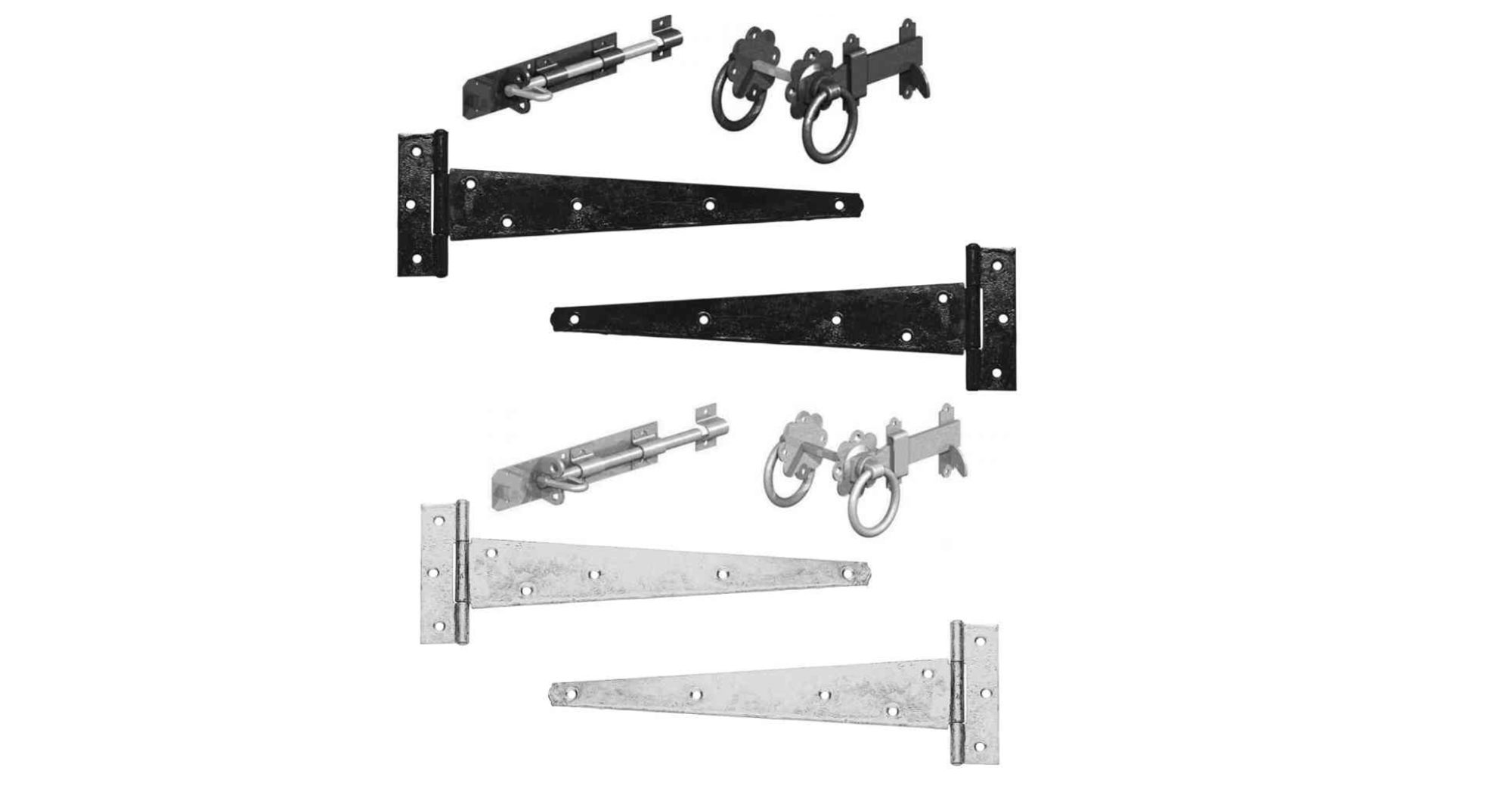
Small details can make a big difference when it comes to garden gates. The hardware you choose—hinges, handles, and latches—can add character and reinforce your overall style. Black iron fixtures, for instance, create a timeless, slightly rustic feel, while brushed metal can lean more modern.
You can also get creative with finishes. A natural wood finish highlights the grain and brings warmth, while painted gates can add a pop of colour or tie in with your home’s exterior. Soft greens, muted blues, and classic whites are popular choices for a reason—they complement plants without overpowering them.
Climbing plants are another lovely way to enhance your gate. Training roses, jasmine, or ivy around the frame can soften the structure and make it feel like a natural part of the garden rather than a separate feature.
Maintenance and Longevity
A garden gate is an investment, so it’s worth thinking about how to keep it looking its best over time. Wood, while beautiful, does require some maintenance. Regular sealing or staining can protect it from weather damage and help it last for years.
Placement also plays a role. Gates that are exposed to strong sun or heavy rain may need a bit more care. Choosing high-quality materials from the start can make a significant difference in durability and overall appearance.
It’s also a good idea to check the hardware periodically. Tightening hinges and ensuring the latch works smoothly will keep your gate functional and prevent small issues from turning into bigger problems.
A Simple Upgrade with Big Impact
If you’re looking to refresh your garden without taking on a full redesign, upgrading your gate is a surprisingly effective place to start. It’s a relatively small change, but one that can have a ripple effect on how your entire space feels.
A thoughtfully chosen gate adds structure, enhances visual appeal, and creates that satisfying sense of “entering” a special place. It’s one of those features that people may not always consciously notice—but they definitely feel its impact.
In the end, your garden should be a reflection of you—your tastes, your lifestyle, and the atmosphere you want to create. And sometimes, it’s the simplest elements, like a well-designed gate, that bring everything together in the most beautiful way.
Feature Image by freepik







