

Foreign investors are pouring millions into Bali’s booming property market. But a widely used ownership workaround means many may not legally own what they’ve paid for — exposing them to disputes, fraud, and total financial loss.
For years, Bali has been marketed as a tropical haven for global investors. Luxury villas rise along its coastlines, co-working hubs attract digital entrepreneurs, and property agents promise high returns in one of Southeast Asia’s most desirable destinations.
But beneath the surface of this booming market lies a legal reality few foreign buyers fully understand.
In many cases, investors can spend millions of dollars on land — and still have no legal ownership at all.
A Legal Structure That Doesn’t Protect Foreign Buyers
Under Indonesian law, foreign individuals are not permitted to hold freehold land titles. Instead, many turn to a widely used workaround: purchasing property through a local nominee — an Indonesian citizen whose name appears on the land certificate.
On paper, it appears straightforward. In practice, it can be devastating.
According to Hardiansyah, Head of Land Dispute Control and Handling at Bali’s National Land Agency and Chairman of the province’s Anti-Land Mafia Task Force, the legal system recognises only one owner:
“What is recognised by the state is the name listed on the certificate. When foreigners use a nominee, their legal standing is weak,” he said in an exclusive interview.
Even when the entire purchase is funded by the foreign investor, Indonesian authorities do not recognise informal agreements that contradict official land records.
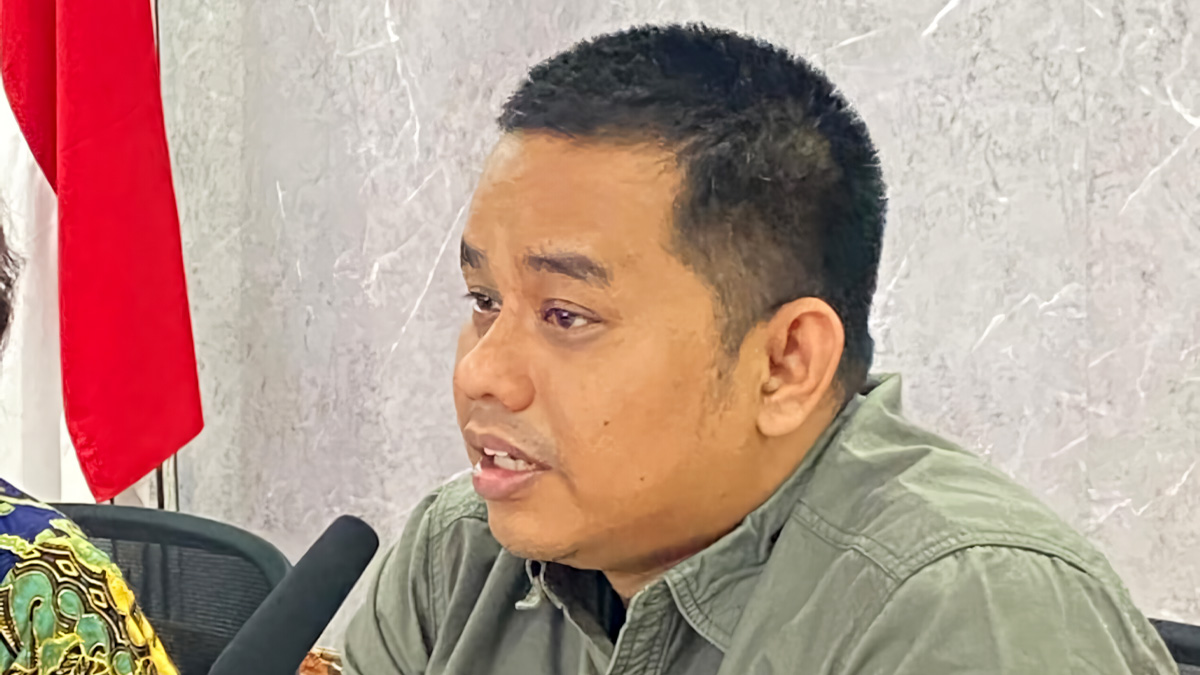
Hardiansyah, S.H., M.H. – Head of Land Dispute Control and Handling at Bali’s National Land Agency and Chairman of the province’s Anti-Land Mafia Task Force
“You Might Pay — But You Don’t Own”
The consequences of this structure often only emerge when disputes arise.
If the nominee dies, transfers the land, or if heirs contest ownership, the foreign investor’s position becomes precarious. In many cases, they have little legal recourse.
“When inheritance claims arise, the person whose name is on the certificate is the one legally acknowledged,” Hardiansyah explained.
That means even carefully drafted private agreements between investors and nominees may not hold up in court.
For international buyers, the implication is stark: You can finance the entire investment — and still lose everything.
A System Exploited by Networks, Not Individuals
The risks do not end with nominee arrangements.
Authorities describe land-related crimes in Bali not as isolated fraud, but as coordinated systems involving multiple actors.
“Land mafia is not an individual operation. It is a collaboration between parties with different roles,” Hardiansyah said.
These networks can include intermediaries, legal professionals, and administrative channels working in tandem. In some cases, documents are manipulated to create seemingly legitimate ownership claims — including false loss reports of land certificates or fabricated inheritance rights.
For foreign investors unfamiliar with local systems, distinguishing legitimate transactions from engineered ones can be extremely difficult.
Foreign Investors: More Often Victims Than Participants
Interestingly, officials note that most foreign-related cases fall not under organised land mafia activity, but under fraud.
In one case handled in Bali, a foreign-backed investment entity transferred funds to an individual claiming authority to process a land acquisition. The individual had no legal power to transfer ownership.
The result: funds were lost, and the land remained under the control of its original owner.
“The investor believed the transaction was valid. But the person receiving the money had no authority to transfer the land,” Hardiansyah said.
Such cases highlight a recurring pattern — trust placed in intermediaries without sufficient legal verification.
The Illusion of Simplicity
Part of the problem lies in how Bali’s property market is presented internationally.
Listings often emphasise ease of acquisition, fast processes, and attractive pricing. What is rarely emphasised is the complexity of Indonesia’s land law framework — or the risks embedded within informal arrangements.
Authorities warn that offers that appear unusually simple or underpriced should raise immediate concern.
“Do not be easily persuaded by promises of low prices or quick processes without verifying the legal status yourself,” Hardiansyah said.
Due Diligence Is Not Optional
For prospective investors, the message from officials is clear: verification must go beyond surface-level checks.
Indonesia’s National Land Agency provides publicly accessible tools to review land status, certification, and zoning. Yet many investors bypass these steps entirely.
Critically, even a registered certificate does not guarantee the absence of dispute. Social, historical, and familial claims over land can exist outside formal records.
A Market of Opportunity — and Risk
Bali remains one of the world’s most attractive destinations for lifestyle investment. Its tourism resilience and global appeal continue to drive demand.
But the legal environment requires a level of caution many foreign investors underestimate.
The nominee system, while common, sits in a grey zone where contractual expectations and legal recognition do not align.
And when those two diverge, the law is clear about which one prevails.
Not the contract.
Not the payment.
But the name on the certificate.
This report was written by Giostanovlatto, Founder of Hey Bali News, for London Daily News, with a focus on uncovering the realities of investment, environment, and tourism in Bali.