
High blood pressure is still too often seen as something that happens later in life – something to worry about in your 50s, 60s, or beyond.
That assumption is dangerous.
New London polling from Blood Pressure UK shows that misconceptions about high blood pressure remain widespread, particularly around who needs to get checked and whether people would know if something was wrong.
The survey of adults aged 18 to 50 in London found that 84% believe too many people wait until they feel unwell before having their blood pressure checked. Yet fewer than half, 49%, had actually been tested in the previous year.
Nearly a quarter, 23%, wrongly believed people would usually know they had high blood pressure because they would feel ill, while around one in six thought blood pressure checks were not relevant to adults under 40.
That matters because high blood pressure is often described as the “silent killer” for good reason. In most cases, there are no obvious warning signs or symptoms.
Someone can feel perfectly healthy while raised blood pressure is gradually damaging their blood vessels, heart, brain and kidneys.
Over time, uncontrolled high blood pressure can substantially increase the risk of stroke, heart attack, kidney disease, vascular dementia and premature death.
And this is not a marginal health issue. An estimated 4.2 million adults in England are thought to be living with high blood pressure without knowing it.
That means millions of people may be carrying an avoidable health risk that could be identified by a test that takes only a few minutes.
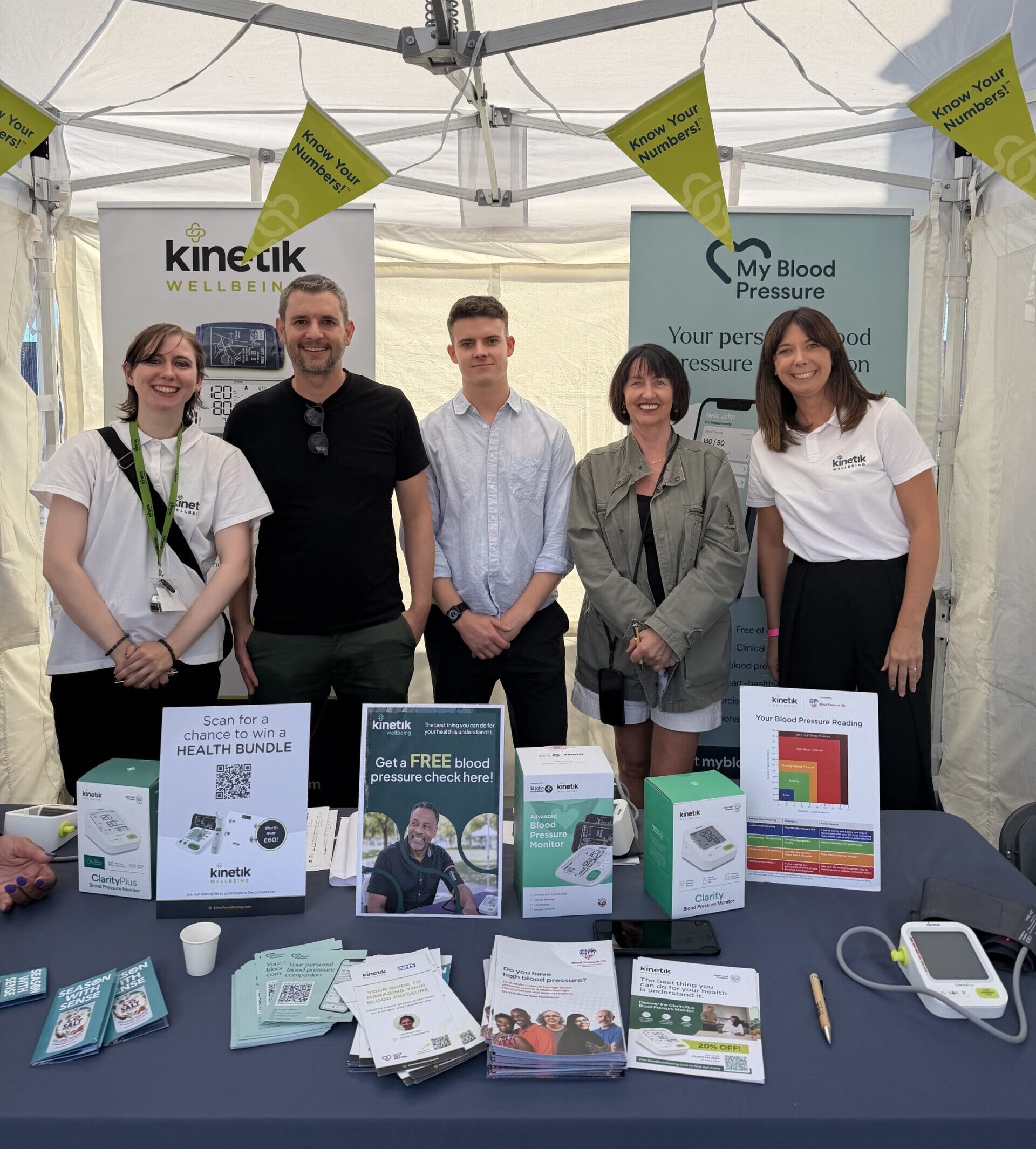
This is why Blood Pressure UK is using this year’s Know Your Numbers! Week, running from 7 to 13 September, to challenge the idea that blood pressure is only something older people need to think about.
Its message is simple: you know your age, but do you know your numbers?
Adults in their 20s and 30s should not assume youth protects them from high blood pressure, particularly if they have other risk factors.
Dr Pauline Swift, Chair of Blood Pressure UK, says the absence of symptoms is precisely what makes the condition so dangerous.
“Too many people are waiting for a warning sign that may never come. By the time high blood pressure causes a stroke, heart attack or serious kidney damage, the harm may already be irreversible.
“Blood pressure checks are not just for older people or those who are already unwell. Adults in their 20s and 30s also need to know their numbers.”
The London findings also suggest there is strong public appetite for making checks easier.
Some 85% of those surveyed supported free blood pressure testing in everyday locations such as pharmacies, workplaces, gyms, supermarkets and community venues. Eight in ten said the Government should do more to raise awareness that high blood pressure can affect adults of all ages.
That is important in a city such as London, where people may not routinely visit their GP unless they are unwell.
If we are serious about prevention, we need to take basic health checks into the places people already live, work, shop and exercise.
Blood Pressure UK is calling for a sustained national awareness campaign and an expansion of free testing beyond traditional healthcare settings.
Phil Pyatt, CEO of Blood Pressure UK, argues that knowing your blood pressure should become as routine as knowing your weight or shoe size.
“The Government must stop treating blood pressure testing as something that mainly happens in a GP surgery or after people reach middle age,” he says.
One particularly overlooked consequence is kidney damage.
High blood pressure can damage the small blood vessels in the kidneys, reducing their ability to filter waste effectively. It can contribute to chronic kidney disease and can also accelerate existing kidney problems, in severe cases leading to kidney failure and the need for dialysis or transplantation.
There is another problem highlighted by the London poll: even among people who have been checked, many do not actually know their result.
Some 45% of Londoners who had previously had their blood pressure tested could not recall, even roughly, their most recent reading.
Getting checked is therefore only part of the answer. People also need to understand and remember their numbers and know when they should seek further advice.
The good news is that high blood pressure can be identified relatively easily.
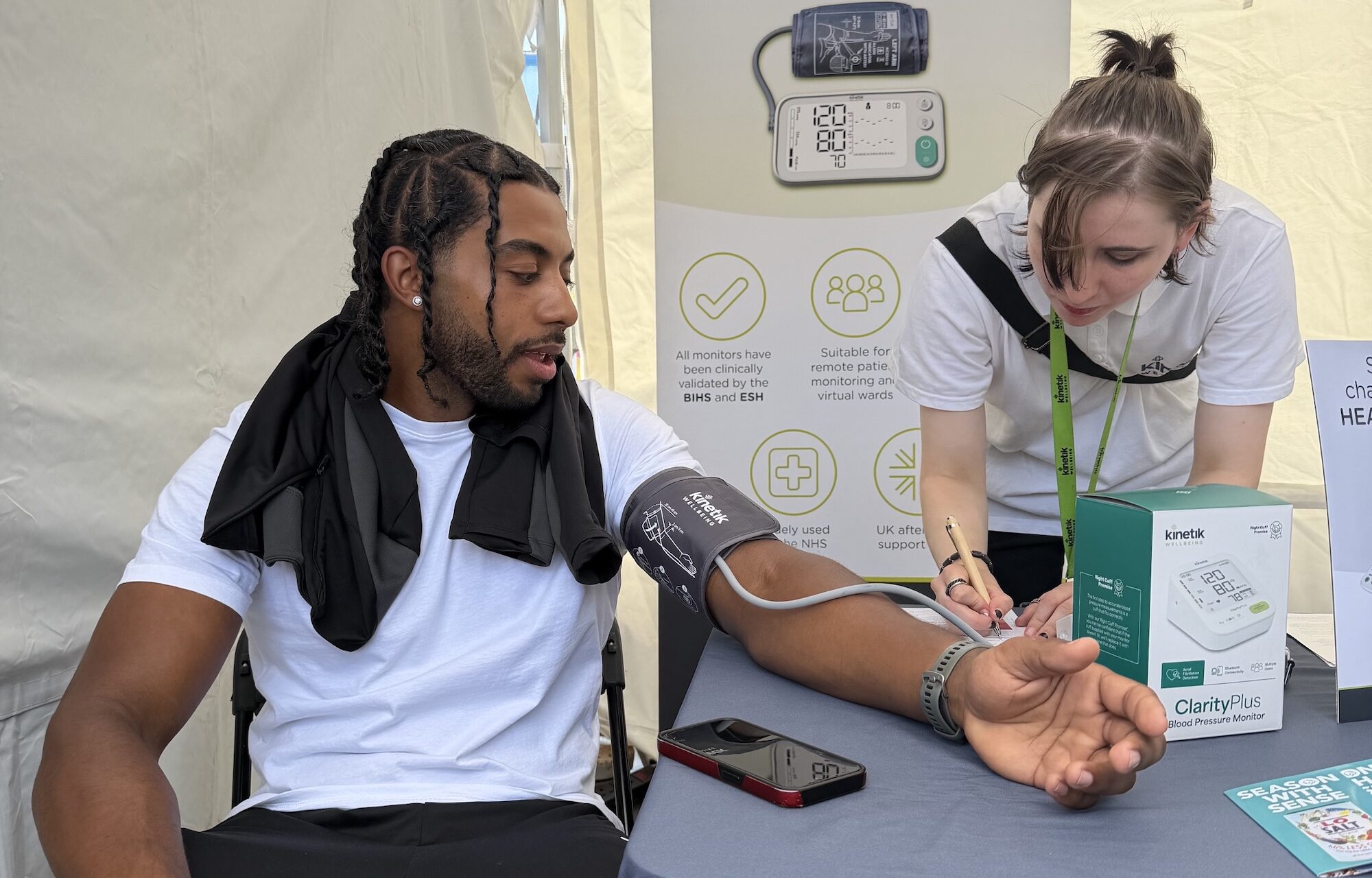
Checks are available through many pharmacies and GP practices, while people can also monitor their blood pressure at home using a validated monitor.
What Londoners should not do is wait until they feel ill.
When it comes to blood pressure, feeling fine is no guarantee that everything is fine.
Whether you are 25, 35, or 65, knowing your numbers could be one of the simplest steps you take to protect your health.