
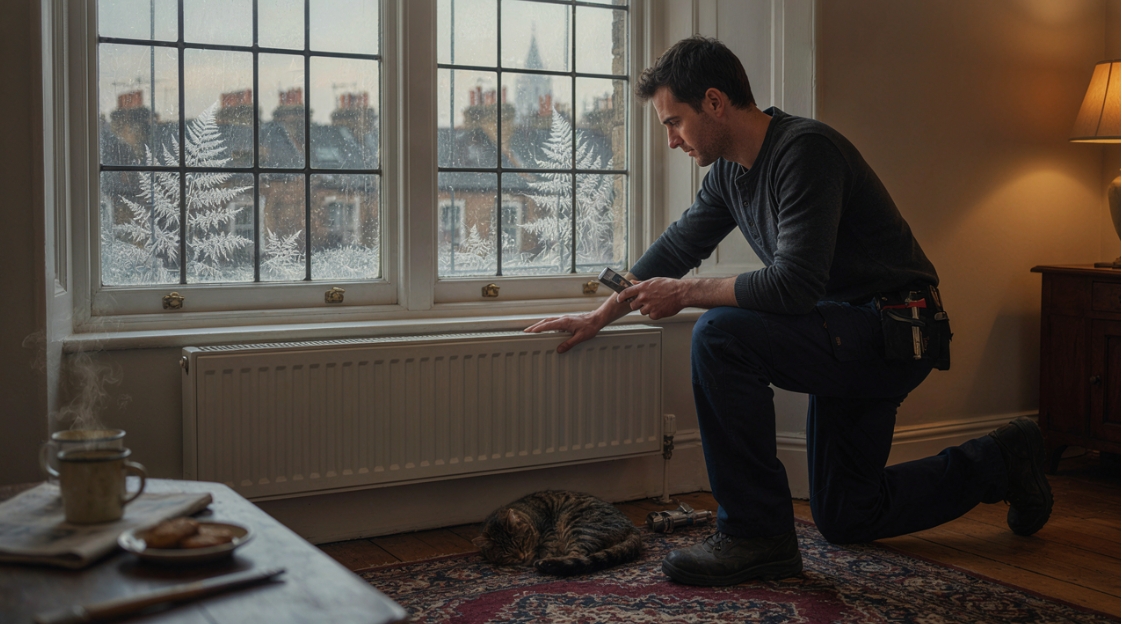

London homes feel winter sharply. A good share of the capital’s housing is older, with ageing pipework and heating systems that are asked to work hard the moment the temperature drops – and that’s exactly when heating and plumbing problems tend to strike. The reassuring news is that most winter emergencies are preventable with a little preparation now, before the first real cold snap. Here are seven checks worth making while there’s still time.
1. Book a Boiler Service Before Peak Demand
Your boiler works harder in winter than at any other time of year, so it pays to have it checked before you’re relying on it daily. A service catches small faults before they become mid-winter breakdowns – and it means you’re not stuck in the queue when every other household’s boiler gives out in the first freeze. Always use a Gas Safe registered engineer for anything involving gas or your boiler; it’s a legal requirement, not just good practice.
2. Bleed Your Radiators and Check the Heating
If your radiators are warm at the bottom but cold at the top, trapped air is stopping them from heating properly – and making your system work harder than it needs to. Bleeding them is a simple job that restores even heat across the radiator. While you’re at it, turn the heating on for a short test run now rather than discovering a fault on the first cold night.
3. Protect Pipes Against Freezing
When water freezes, it expands, and that expansion can crack or burst a pipe – with the real damage often appearing on the thaw. Exposed pipes, and any in unheated spaces like lofts, garages and outbuildings, are most at risk. Fitting inexpensive foam lagging is one of the cheapest and most effective bits of winter protection.
4. Know Where Your Stopcock Is – and That It Works
If a pipe does burst, the single most useful thing you can do is shut off the water fast – and that means knowing where your stopcock is (usually under the kitchen sink) and checking that it actually turns before you ever need it. A stiff or seized stopcock is a problem you want to discover on a calm afternoon, not at midnight with water coming through the ceiling.
5. Don’t Ignore the Boiler’s Condensate Pipe
One of the most common reasons modern boilers shut down in a cold snap is a frozen condensate pipe – the pipe that carries wastewater from the boiler, often running outside. When it freezes, the boiler cuts out as a safety measure. Knowing where yours is, and keeping it protected, can spare you a cold morning and an avoidable callout.
6. Clear Gutters and Outside Drains Before Heavy Rain
Winter brings heavy rain as well as cold, and blocked gutters and drains have nowhere to send it. The result is overflowing, damp, and water pooling where it shouldn’t. Clearing leaves and debris from gutters and outside gullies before the worst weather keeps water flowing away from your home rather than into it.
7. Have a Trusted Emergency Number Saved
Even the best-prepared home can hit a problem. According to the Association of British Insurers, insurers pay out around £1.8 million every day for ‘escape of water’ claims, and frozen or burst pipes add to that toll when the cold sets in. The time to find help is before you need it, not while you’re mopping. Save the number of a reliable, round-the-clock emergency plumber in London now, so a burst pipe or failed boiler becomes a quick call rather than a scramble.
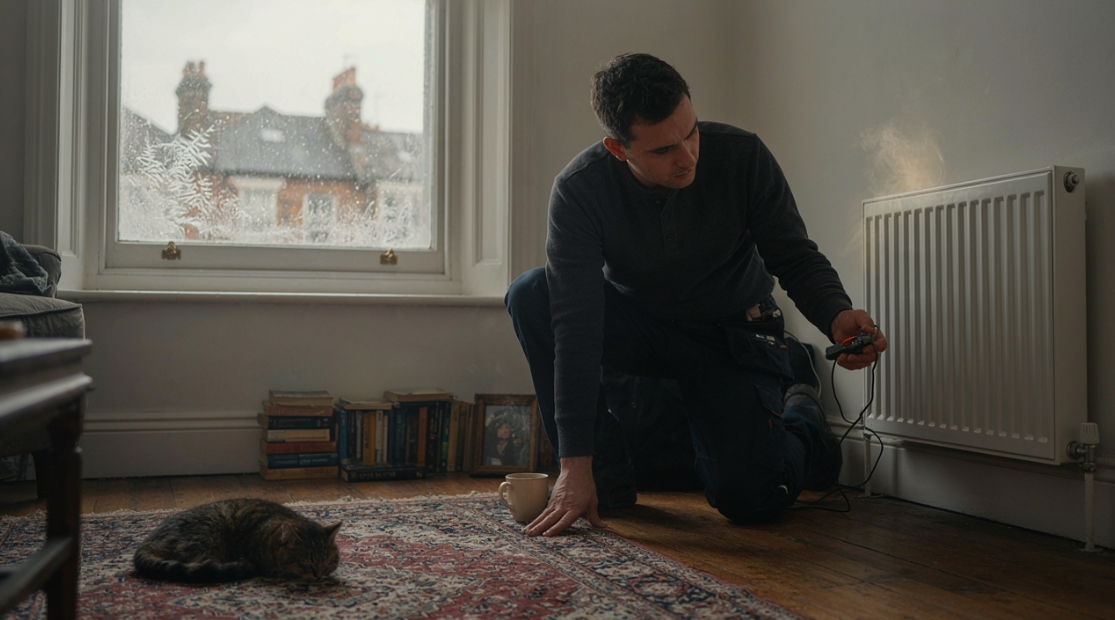
A Little Prep Now Saves a Cold, Costly Winter
None of these checks takes long, but together they head off the most common – and most expensive – winter plumbing and heating problems London homes face. Work through them early, keep an eye out through the season, and you’ll be far less likely to need an emergency callout when the temperature drops. For households that would rather have an experienced local team on hand, firms such as Maintracts, which has worked across the capital since 1974, offer round-the-clock cover for plumbing, heating and drainage. A quiet hour of preparation now is the cheapest winter insurance there is.







