
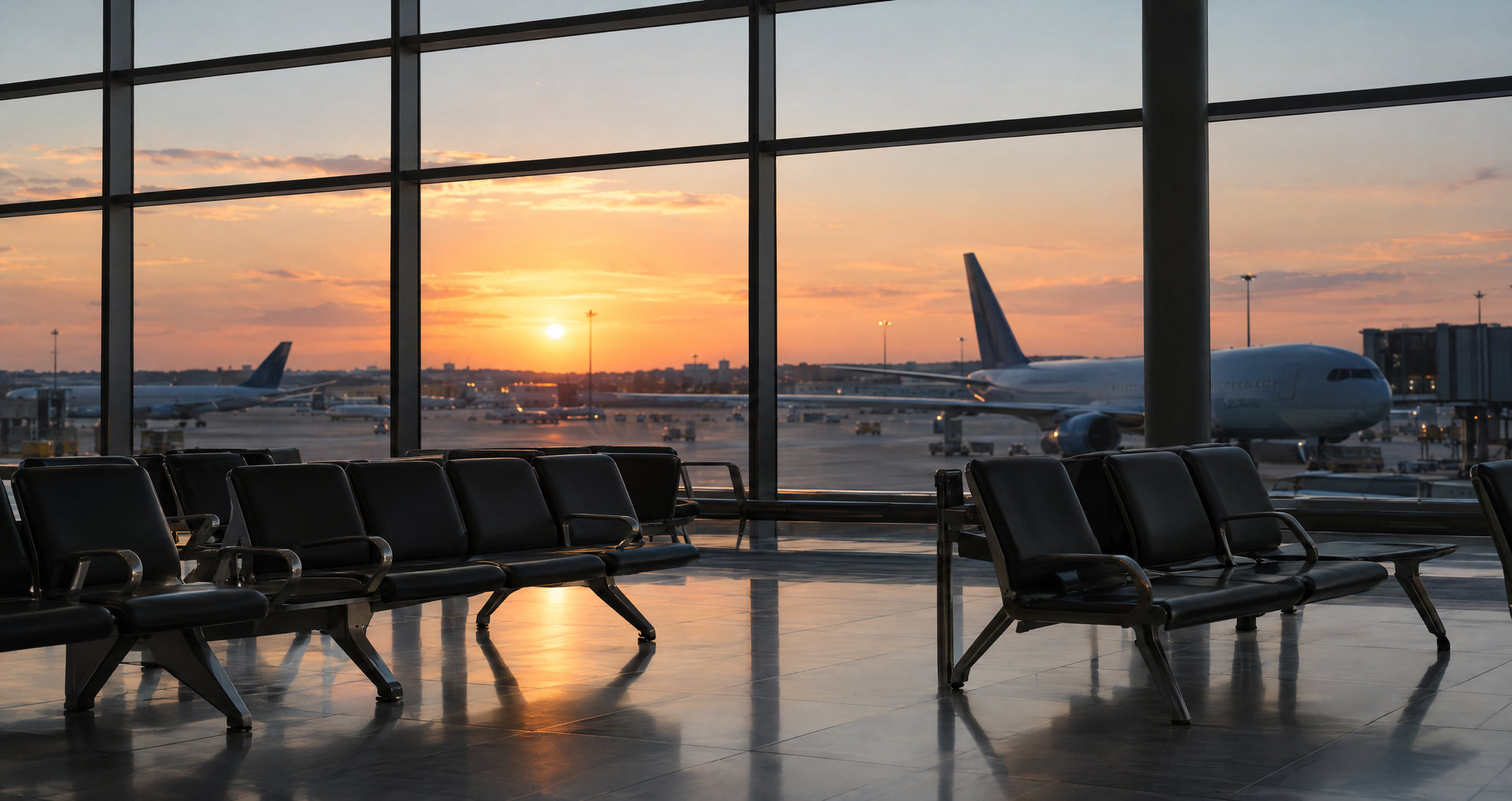

Flights have begun to resume in the United States after a nationwide ground stop brought departures to a halt for more than four hours and left passengers facing cancellations, diversions and lengthy waits.
The Federal Aviation Administration lifted the restriction at 8.15pm Eastern time on Friday 13 November, or 1.15am GMT on Saturday, after communications problems affected multiple air traffic control centres. Departures were expected to return gradually rather than all at once.
The intervention reached airports across the country and disrupted international journeys as well as domestic travel. Aircraft already in the air continued towards their destinations or were diverted, while many passengers on the ground had to reconsider their plans.
Communications problems trigger stop
The ground stop was ordered on Friday afternoon because of safety concerns after communications issues affected centres responsible for managing aircraft as they travel between airports. The initial instruction told departing aircraft to remain on the ground until further notice, while inbound international flights were to be handled case by case.
Transport Secretary Sean Duffy later attributed the disruption to ageing equipment, saying switches and routers had become overloaded with data and produced inconsistent information. He said radar and communications had not been completely lost and that aircraft already flying were brought down safely.
The assessment remains an early account of what happened, rather than a completed investigation. Homeland Security Secretary Markwayne Mullin said there was no evidence at that stage of a cyberattack, but investigators had not ruled out the possibility. Officials had earlier cautioned that the information was preliminary.
Before the nationwide restriction was lifted, some flights were permitted to depart through coordination with the air traffic control command centre as facilities recovered. Systems were tested for stability before departures were cleared to resume more widely.
Passengers face disruption beyond the lifting
Removing a ground stop does not immediately return every aircraft and crew to the position needed for their next flight. Duffy warned that the recovery would be slow as airlines worked through the disruption and planned which services could leave.
By 5.50pm Eastern time on Friday, 600 flights had been diverted that day. Of those, 496 had returned to their departure airport and 104 had landed at a different airport. Travellers in terminals were trying to rebook flights, retrieve bags and work out whether they would need to stay overnight.
The disruption extended beyond US airports. At the request of the FAA, the European air traffic management organisation suspended US-bound departures from its member countries. Mexico’s aviation authority also asked for flights travelling from Mexican airports to the US to remain on the ground until traffic could resume.
One passenger travelling from Tepic in Mexico to Los Angeles had already boarded when travellers were told to leave the aircraft. After a wait in the terminal, the flight was first delayed and then cancelled, leaving passengers looking for alternative flights and their luggage.
A Canadian carrier cancelled its remaining flights between Canada and the US for Friday evening. A US airline also cancelled most of its remaining flights that night, with exceptions for some services to Europe. Even after the restriction was lifted, airlines warned that further changes were possible as they repositioned aircraft and crews.
Renewed focus on ageing systems
Nationwide ground stops are rare. The previous one came in January 2023, when a malfunction in a system used to notify pilots of important flight information prompted a temporary halt to departures.
Duffy used the latest disruption to call on Congress for $50 billion to modernise air traffic control technology. That is a request for funding, not a commitment that the money has been approved. He argued that old hardware needed to be replaced to reduce the risk of further problems.
For passengers, the immediate consequences depended on their airline, route and the position of their aircraft. The end of the nationwide order allowed flights to start moving again, but it did not reverse cancellations already made or guarantee that schedules would quickly return to normal.







