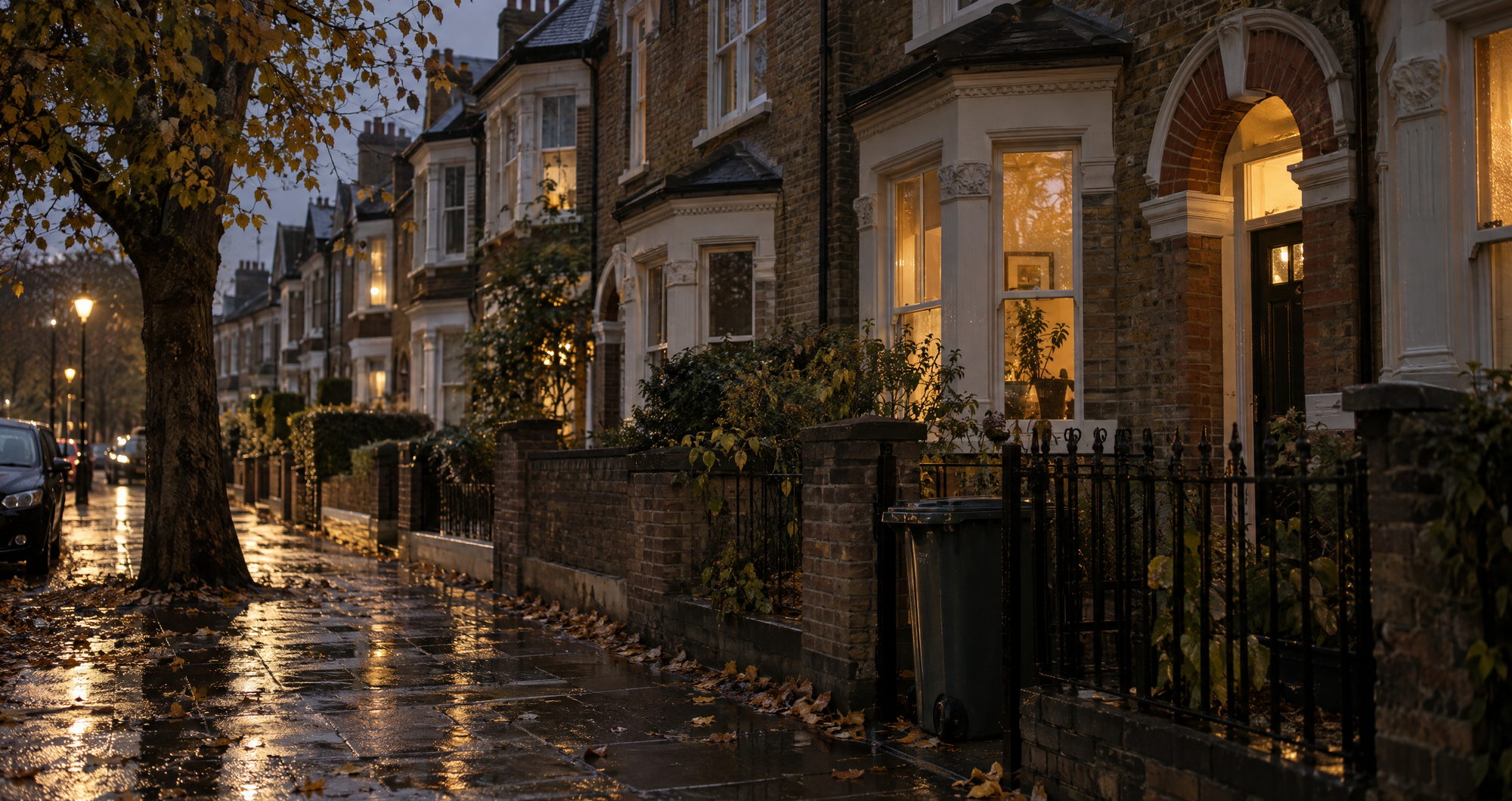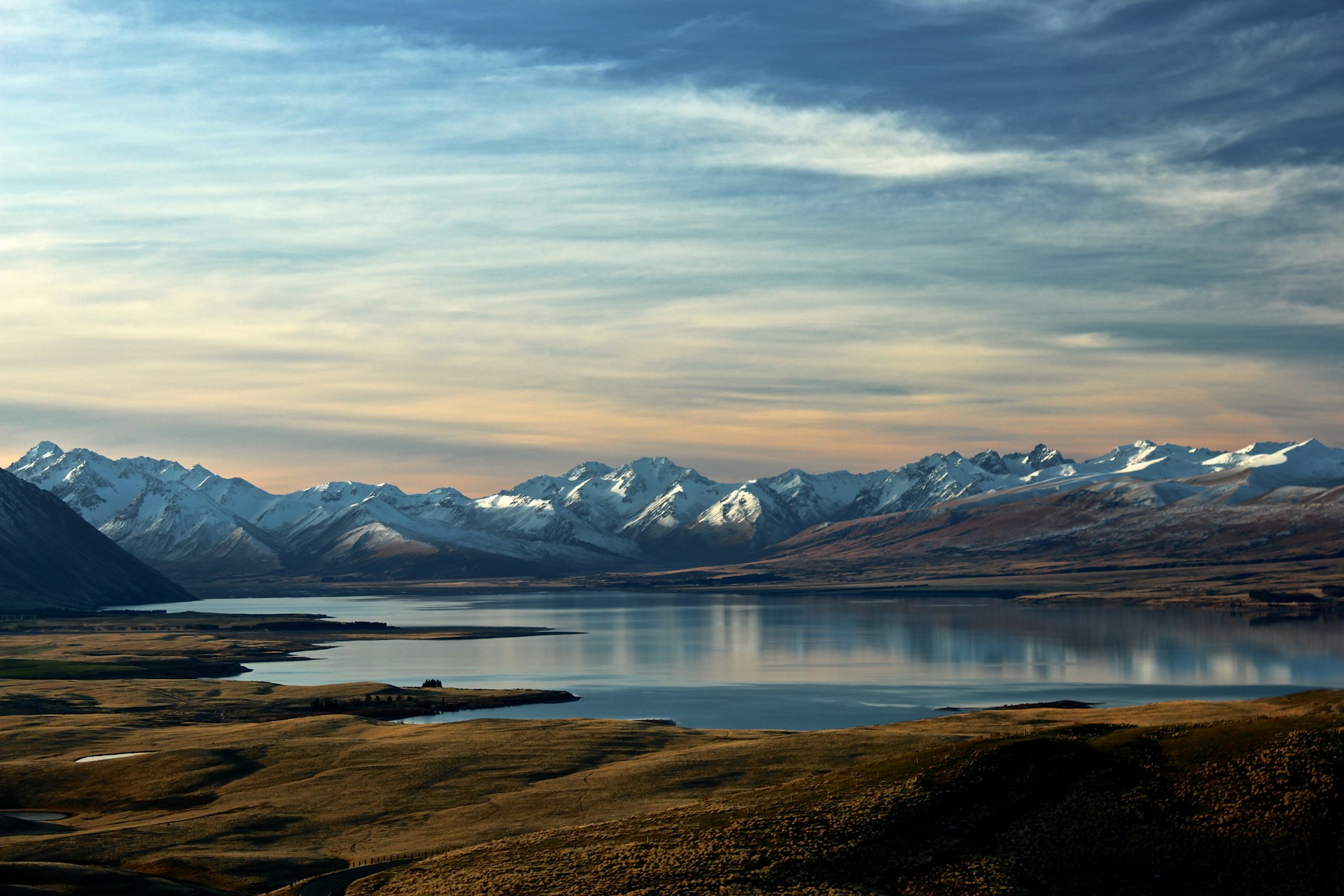

The photo that sells most April trips to Arrowtown shows Buckingham Street under a ceiling of gold, with poplars and willows lit up along the Arrow River behind the old miners’ cottages. Then the flights get booked for the first few days of the month, and the trees turn up mostly green.
Bad luck has little to do with it. That mismatch is one of a handful of planning errors that turn a good autumn trip into a rushed or flat one, and nearly all of them are easy to fix before you leave home.
Is April always peak colour in Arrowtown?
No. April is the usual window, not a guarantee.
The change is driven by the weather in the weeks before. A run of cold, clear nights pushes the leaves along. A mild, damp spell holds them back. Peak can land early in the month one year and drift towards May the next, and a strong wind can strip a stretch of poplars in a couple of days. Anyone who plans around a single fixed date is gambling.
What to do instead: build in slack. Aim for the second half of April if you can choose, keep at least some accommodation refundable, and plan three or four nights in the area rather than one. In the fortnight before you travel, look at recent photos posted from Arrowtown itself. They’ll tell you more than any average-date chart.
How much of New Zealand can you see in one trip?
Far less than the map suggests. The country looks compact, but the roads wind, the ferry crossing between the islands eats most of a day, and autumn daylight is shrinking fast. A ten-day plan that strings together Auckland, Rotorua, Wellington, Queenstown and Milford Sound is mostly a driving holiday with brief stops.
Pick one region and go deep. Central Otago and the Queenstown lakes have more than enough for a week: Arrowtown, the vineyards of the Gibbston Valley, the road out to Glenorchy, the loop track around Lake Hayes. All of them are at their best in autumn.
Can you add a Tongariro hike to a South Island autumn trip?
You can, but people underestimate what it takes.
The pull is obvious. The Tongariro Northern Circuit passes Mount Ngauruhoe, better known as Mount Doom from The Lord of the Rings, and the volcanic scenery is unlike anything around Queenstown. But it sits in the middle of the North Island. The circuit is a loop of about 43 km starting at Whakapapa Village, and most walkers take three to four days, clockwise or anticlockwise. Add the flight north, the drive to the park, and the fact that the exposed central plateau gets rough autumn weather that can shut the high sections, and a “quick add-on” swallows close to a week.
Treat it as its own block. Give it the walking days, a travel day at each end and a spare day for weather. If that doesn’t fit, save it for another trip.
Is the Great Walk you want open right now?
Check before you book anything else. Tracks change.
The Heaphy Track is the cautionary example. In February 2022, flooding destroyed the 148.8 m suspension bridge over the Heaphy River, and the track has since been listed as partially closed, with through trips possible only by pre-arranged helicopter transfer. Walkers who booked from an old guidebook found their plans had a hole in the middle.
Go to the Department of Conservation’s track status page first, then sort out huts and transport. Check it again the week before you leave, because slips and storm damage don’t follow your itinerary.
Can you camp anywhere in New Zealand?
No, and the rules are enforced.
Camping is illegal within 500 metres of a Great Walk track. That rule exists to protect the tracks, and it catches people who assume a quiet clearing just off the trail is fair game. Away from the Great Walks, local councils set their own freedom-camping rules, and popular spots around the southern lakes are tightly controlled. A great view is not a campsite.
Use DOC campsites and holiday parks instead, and book ahead. April often overlaps with school holidays, and the sites closest to Arrowtown fill up.
When is the best time of day to visit Arrowtown?
Early or late. Not lunchtime.
Midday is when day-trippers from Queenstown arrive, parking around the main street disappears and the light turns flat and harsh on the leaves. The town is small enough that a few busloads change its whole feel. Stay the night instead. Walk the Arrow River trail just after sunrise, when there’s often mist on the water, then wander through the restored Chinese Settlement before the cafés open. Late afternoon brings the warm, low light that makes the gold glow, and the streets empty out again by early evening.
The trees look better at seven in the morning anyway.
What does a realistic Arrowtown autumn trip look like?
It looks unhurried: one base, a few nights, and day trips that stay within easy reach. Once Arrowtown is settled, this guide to things to do in New Zealand is a good source of extra ideas for both islands, from wine tasting to lake cruises, and it makes a sensible starting point for shaping the rest of the itinerary around the autumn colour.
- Aim for the second half of April and keep some bookings flexible
- Plan at least three nights in or near Arrowtown
- Stick to one region unless the trip runs past two weeks
- Give any Tongariro walk its own block, with a weather day
- Check DOC track status before booking, then again a week out
- Book campsites and holiday parks early; never camp near Great Walk tracks
- Visit Arrowtown’s river trail and main street at dawn or late afternoon