
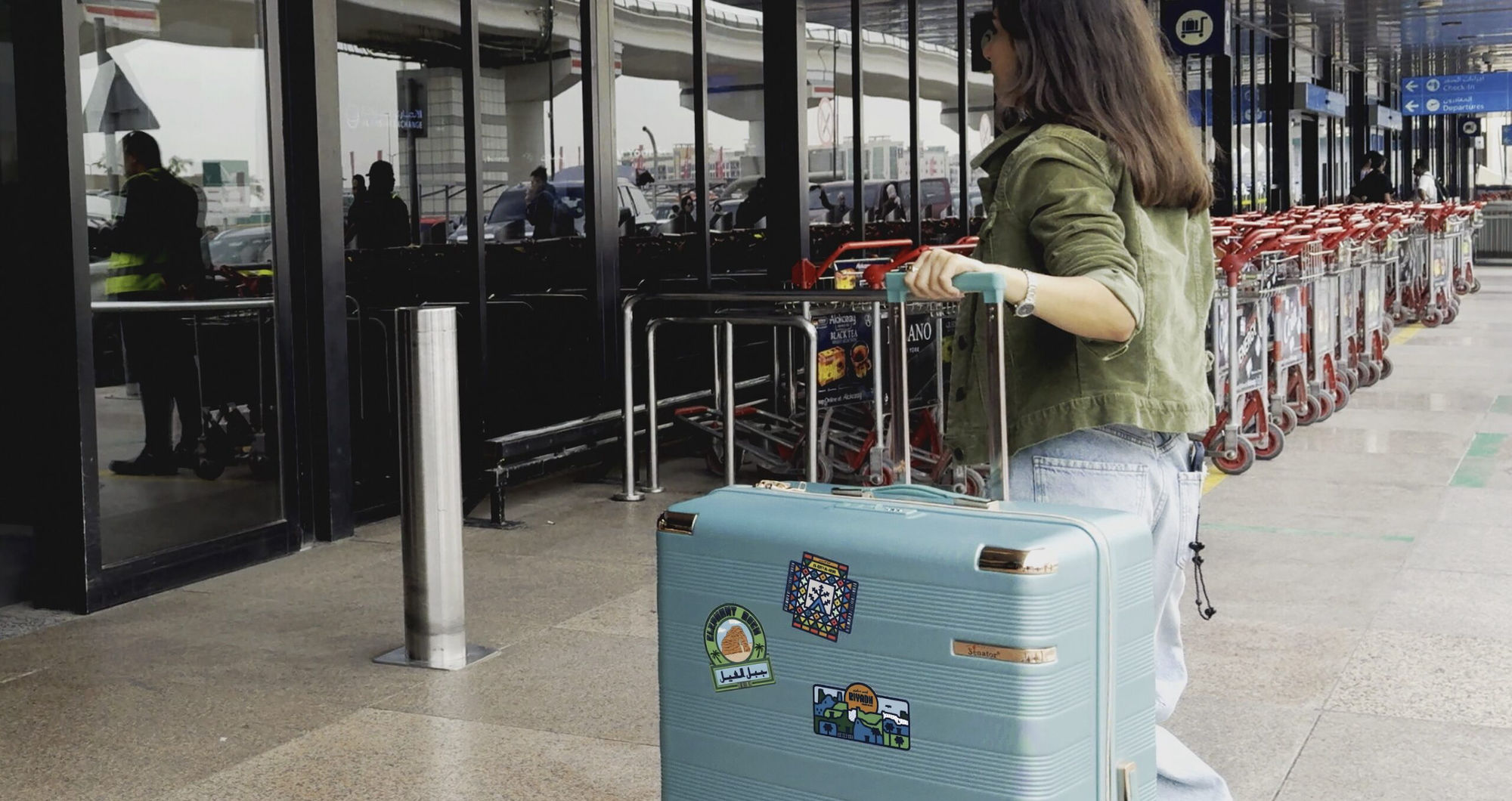

King’s Cross is one of the busiest rail hubs in Britain. Trains leave here for Cambridge, Leeds, Newcastle, Edinburgh and many other destinations. Next door is St Pancras International, with its Eurostar services and connections across the south-east.
You may be changing stations, waiting for a later train, or arriving early for a long day in London. Whatever the reason, the question is the same. What do you do with the bags?
This guide covers how to think about King’s Cross station luggage storage, what to compare, and how to avoid the common mistakes.
Providers such as King’s Cross Bag Storage give travellers a practical alternative to carrying everything around the city.
King’s Cross and St Pancras are neighbours, not the same station
A lot of first-time visitors assume King’s Cross and St Pancras are one building. They are two separate stations that sit side by side, divided by a pedestrian area and a road. They share an Underground station called King’s Cross St Pancras, which is served by the Circle, Hammersmith and City, Metropolitan, Northern, Piccadilly, and Victoria lines.
This matters for luggage. A storage option described as “at King’s Cross” might be nearer one station than the other, or in the surrounding streets. Always read the address and check it on a map.
The common layover situations
You arrive early. Your train arrives at 08:00, and your room is not ready until 15:00. You have seven free hours.
You leave late. You check out of your hotel in the morning, but your train home leaves in the evening.
You are changing between stations. You arrive at St Pancras and depart from King’s Cross, or the other way round, with a gap in between.
You are travelling with more than one bag. Two suitcases and a rucksack are fine on a platform. They are a nightmare in a museum.
In all four cases, you can either carry the bags or store them. Storing them costs a little and saves a lot of effort.
What to compare before you choose
Station facilities and independent shops both exist in this area, and information about them can vary between sources. Compare these points directly.
- Price structure. Is it per bag, per day, or per hour?
- Opening hours. Do they cover your arrival and your departure?
- Bag size. Are large suitcases and rucksacks accepted?
- Security. Look for staffed premises, CCTV, and tamper-evident seals.
- Insurance. Ask what is covered and what is excluded.
- Booking. Can you reserve online, or only turn up?
- Location. Check the real route from your platform to the door.
How pricing usually works
Most independent services charge by bag size. As an example, King’s Cross Bag Storage on Gray’s Inn Road lists these daily rates:
| Bag type | Size | Price per day |
|---|---|---|
| Small backpack | Up to 40L | £3 |
| Hand trolley or cabin bag | 40 to 60L | £3 |
| Large suitcase | 60 to 80L | £4 |
| XL or oversized | 80L and above | £10 |
The shop is open daily from 07:00 to 23:59. It accepts online bookings and walk-ins, and it offers short-term and long-term storage. Confirm the latest prices and policies on the website before you travel.
If you are comparing options, the page on King Cross station luggage storage explains how storing bags near the two stations works in practice.
Short stay or long stay?
Most people store bags for a few hours. Some need longer, for example when they are leaving the country for a few days and returning through London. Ask the provider whether longer storage is allowed, how it is charged, and what the collection rules are.
Mistakes to avoid
Leaving valuables in the bag. Keep passports, wallets, medication, and electronics with you.
Forgetting the closing time. Even a late-opening service has a cut-off. Put it in your phone.
Not checking the size rules. A 90L case may fall into a higher price band than you expect.
Skipping the receipt. Keep the booking confirmation or ticket until you collect your bags.
Leaving too little time at the end. Collect your luggage with a comfortable margin before your train. Tube delays and queues happen.
A simple plan for a long layover
Here is a rough example for someone arriving at 09:00 with a train home at 19:00.
- Drop your bags soon after arrival and keep a small day bag.
- Spend the morning in the area. Granary Square and the canal are pleasant places to walk.
- Eat lunch away from the station, where food is often calmer.
- Return for your bags with at least an hour of spare time.
- Head to your platform and check the departure board.
Frequently asked questions
Are King’s Cross and St Pancras the same station? No. They are separate stations right next to each other. They share an Underground station.
Can I store a suitcase and a backpack together? Usually yes, but each bag is priced separately in most services. Check the rate for each size.
Do I need to book in advance? Online booking is useful in busy periods, but some shops accept walk-ins. Check what your chosen provider offers.
What about skis, bikes, or sports gear? Some shops accept them. Confirm with the provider in advance, especially for very large items.
Final thoughts
A layover at a major terminal feels long when you are holding everything you own. Sort out your bags first. Then the rest of the day becomes easier to enjoy, and the next train stops feeling like a deadline.







