
In today’s world of advanced vehicle technology, having a reliable trailer backup camera is no longer a luxury—it’s a necessity. Whether you’re towing a camper, horse trailer, or boat, a good backup camera can make reversing safer, faster, and much less stressful. But with so many models on the market, how do you know which one suits your needs? Here’s a complete guide on what to look for when buying a trailer backup camera in 2025.
-
Video Quality and Resolution
The first thing to consider is the image clarity. Modern backup camera comes with HD or even 1080p full HD resolution, offering crisp visuals that help you see small obstacles and tight corners clearly. Avoid low-resolution models, as they often blur important details—especially at night or in poor weather conditions.
-
Night Vision Capability
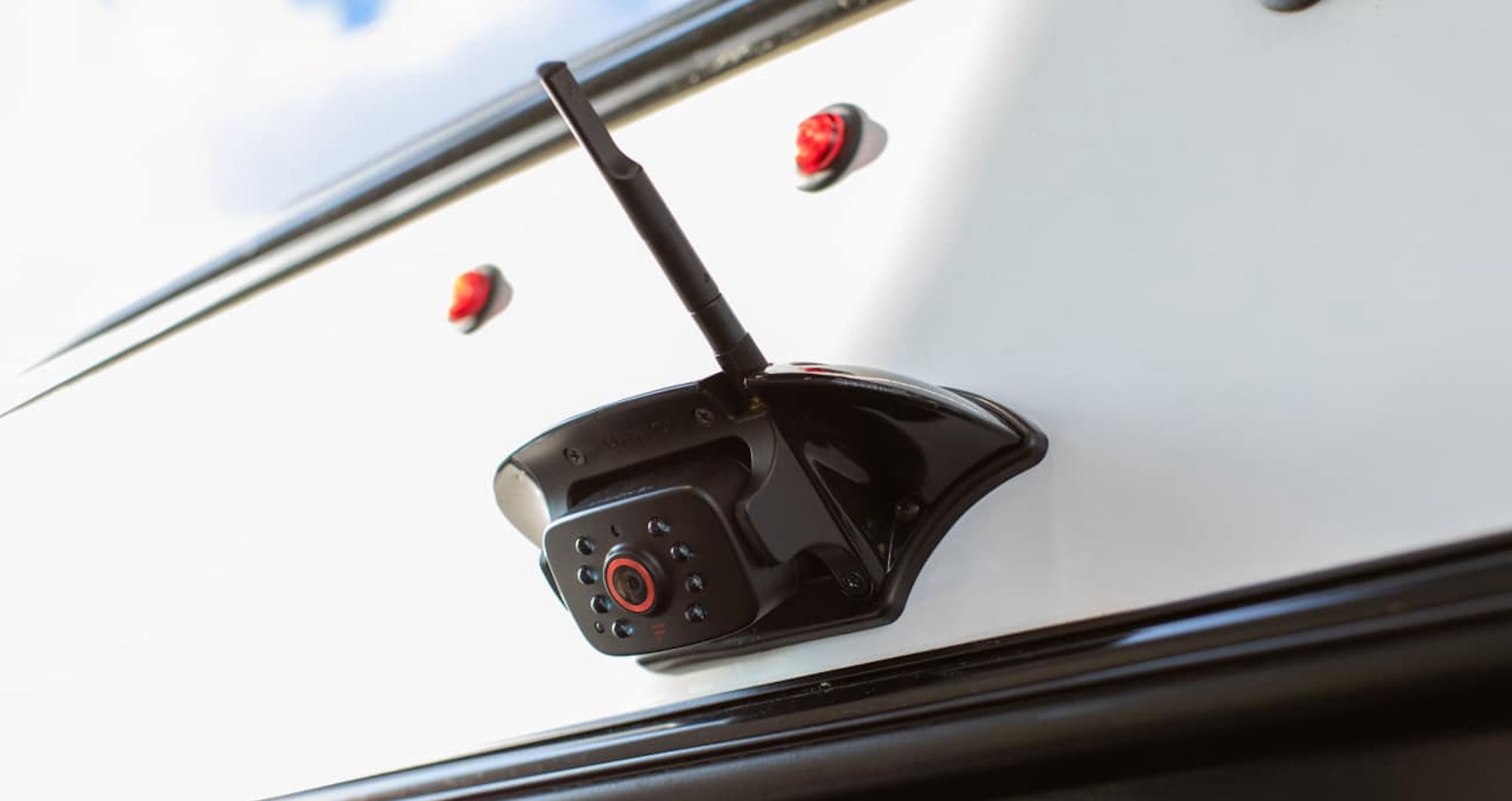
Reversing in the dark can be tricky, but a camera equipped with infrared LEDs or low-light sensors ensures clear visibility even in complete darkness. This feature is crucial for campers or truck drivers who often travel or park after sunset.
-
Wireless vs. Wired Connection
You’ll find both wired and wireless trailer cameras on the market.
- Wired systems offer stable and uninterrupted video transmission—perfect for long trailers or commercial towing.
- Wireless cameras, on the other hand, are easier to install and provide decent range using Wi-Fi or digital signals.
If you choose a wireless option, make sure it uses digital signal technology (not analog), as it reduces lag and interference from other devices.
-
Waterproof and Weather Resistance
Your trailer camera will face harsh outdoor elements, from rain and dust to road debris. That’s why durability is non-negotiable.
Look for an IP68 or IP69K waterproof rating—these cameras can withstand rain, snow, and even power washing. A rugged, shock-resistant body ensures the camera lasts longer, even on bumpy roads.
-
Field of View (FOV)
A wide viewing angle allows you to see more of your surroundings. Ideally, your camera should offer between 120° and 170° of horizontal view.
- 120°–140° is great for standard parking assistance.
- 150°–170° gives a panoramic view, ideal for larger trailers or RVs.
Keep in mind that too wide an angle can distort the image slightly, so balance clarity with coverage.
-
Monitor Size and Display Options
The display is just as important as the camera. Many modern systems come with 5” to 9” monitors, mounted on your dashboard or rearview mirror.
If your vehicle already has a built-in display (like a modern infotainment system), look for cameras that support video input compatibility via RCA or wireless connection.
Some high-end models even allow split-screen views, letting you monitor multiple cameras at once.
Extra Features to Consider
Modern trailer backup camera now comes loaded with smart features:
- Motion Detection: Alerts you when movement is detected behind the trailer.
- Parking Guidelines: Helps align your trailer with visual grid lines.
- Recording Functionality: Some models include DVR capabilities for recording video footage while reversing.
- Voice or App Control: Allows camera control via smartphone apps for added convenience.
Price vs. Value
Backup cameras range anywhere from $50 to $500+ depending on quality and features. While budget options work fine for light use, spending a bit more ensures better reliability, clearer images, and longer life.
Always compare specifications and reviews before purchasing—sometimes mid-range models offer the best balance between cost and performance.
Final Thoughts
Choosing the right trailer backup camera can drastically improve your towing experience, giving you more confidence on the road and preventing costly accidents. Focus on key aspects like video quality, durability, installation ease, and signal reliability to find a system that truly meets your needs.