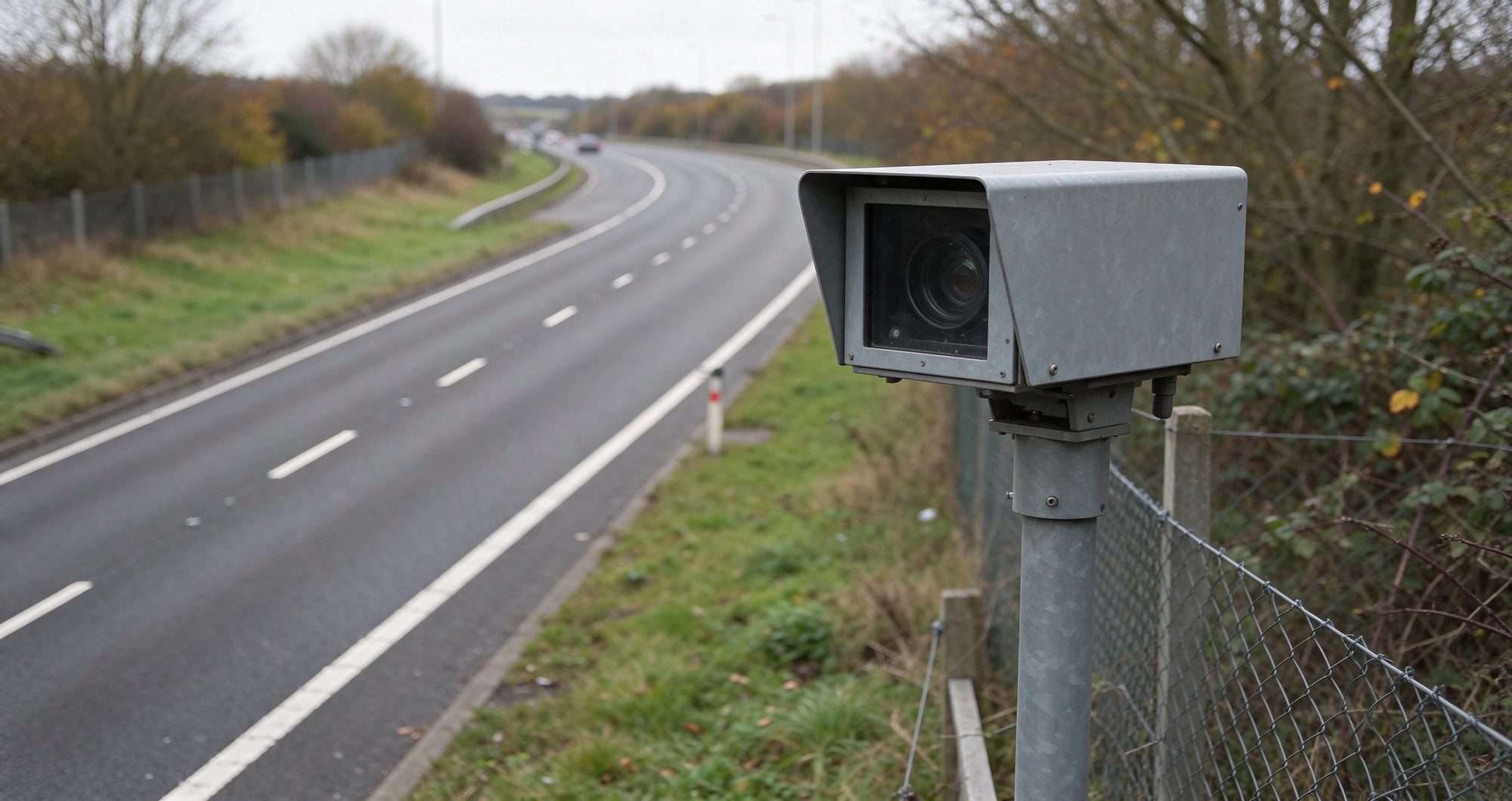

A speed-camera system used on England’s motorway network has lost its Home Office approval, prompting National Highways to end its enforcement-camera contract with supplier Verra Mobility.
The decision follows technical testing that identified a potential further problem with how some cameras activate in specific circumstances. No real-world evidence has established that the additional issue affected enforcement, but ministers are unwilling to accept a hypothetical risk of incorrect prosecutions or compromised enforcement.
The Westall Review into an earlier technical anomaly has also been published on 17 November. The government and National Highways have accepted its recommendations, with improvements already beginning and further oversight planned.
Approval withdrawn after further testing
Home Office type approval makes it easier for camera data to be admitted as factual evidence in certain legal proceedings. The approval was revoked after the department concluded that problems with the system could not be resolved to its satisfaction within a reasonable timeframe.
Maintaining that approval was a condition on which National Highways procured the camera system. Its withdrawal has therefore led to the ending of the contractual relationship for using the cameras in enforcement. National Highways is also considering further commercial and legal options, but no outcome from those options has been established.
The additional potential issue emerged during extensive technical and operational tests carried out with the Home Office. It originates from the same system upgrade that began in 2019 and was linked to the earlier anomaly.
National Highways’ modelling puts the probability of the specific operating circumstances that could produce the additional error at no more than 0.1%. That figure describes a modelled risk, not a measured proportion of drivers wrongly fined. There is no established evidence of enforcement being affected by this newly identified issue.
Speed limits and other enforcement remain
The change does not remove speed limits or end enforcement on motorways and major A roads. Other enforcement methods remain in use, including mobile cameras and marked and unmarked police patrols.
National Highways has introduced further traffic officer patrols at relevant locations and is using existing CCTV to assist monitoring of the road network and compliance. Variable speed signs will continue to manage safety, traffic flow and congestion.
The earlier camera problem involved a mismatch between changing speed-limit signs and the information used by enforcement cameras. In rare circumstances, drivers could be recorded against a limit that no longer matched the displayed restriction, or could be given insufficient time to respond to a change.
That original issue affected cameras on about 0.2% of roads in England. Redress has been offered to affected people who could be identified and contacted, and remains available to eligible individuals as they are identified. This historic redress process is separate from the newly identified potential activation issue.
Review sets out changes to oversight
The independent review led by Tracy Westall examines both the original technical anomaly and the way National Highways handled its discovery. Its recommendations span data and technology, critical systems, crisis response, legal support, organisational culture, governance and procurement.
The proposed changes include clearer responsibility for complete technology services rather than individual components, better monitoring of system quality and performance, and stronger contingency planning for critical systems. They also cover staff training on crisis procedures and more structured information sharing with national police representatives.
Further recommendations address how legal advice is commissioned and acted upon, how staff can raise concerns, and whether procurement teams have the digital expertise needed to manage complex technology contracts.
The review was completed before the additional potential issue emerged. Westall subsequently reconsidered the recommendations in light of that information and left them unchanged. The Department for Transport will monitor National Highways’ implementation, while acceptance of the recommendations does not mean every reform has already been completed.