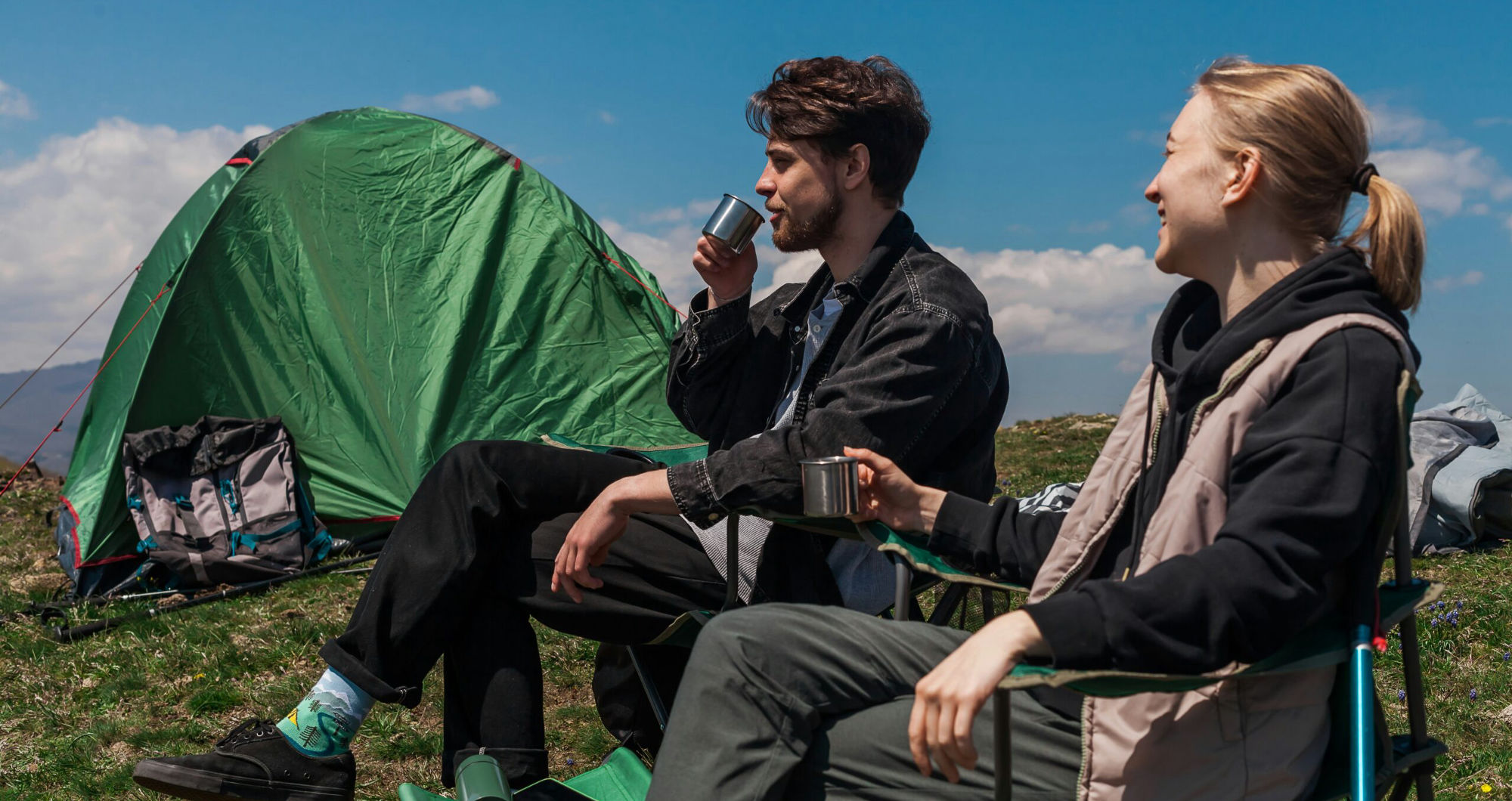

The travel industry is changing fast. In recent years, more people are choosing nature over crowded cities. Camping, hiking, and outdoor travel have become popular across all age groups. This shift is not just a trend. It is creating a new wave of travel startups focused on outdoor experiences, adventure planning, and eco-friendly tourism.
Many travellers now want meaningful experiences instead of traditional vacations. They want fresh air, open space, and real connection with nature. After years of busy schedules and digital overload, people are looking for balance. Outdoor travel offers that. It allows individuals and families to slow down, disconnect from screens, and reconnect with the world around them.
This change in behaviour is driving innovation. Entrepreneurs are building platforms that simplify trip planning, offer guided experiences, and provide access to remote destinations. From van life tools to curated camping packages, startups are reshaping how people explore the outdoors. The result is a fast-growing segment of the travel market that blends technology with adventure.
A Shift Toward Simplicity and Experience
One of the main reasons camping and outdoor travel are growing is simplicity. Traditional travel often involves flights, hotels, and tight schedules. Outdoor travel removes many of these pressures. A camping trip can be flexible, affordable, and deeply personal.
Data shows that national park visits and campground bookings have increased significantly over the past few years. Many parks report record numbers of visitors. This demand creates opportunities for startups to solve common challenges. These include booking campsites, planning routes, and managing permits.
Eric Kufrin, Founder of Yosemite Life, has seen this shift firsthand. “I have guided people through Yosemite in every season, and I have noticed a major change. More travellers want to experience nature in a deeper way. They are not just visiting for photos. They want to understand the environment and feel part of it. When we help them plan properly, their experience becomes more meaningful and memorable.” His work as a professional guide shows how demand for authentic outdoor experiences is growing.
Startups are responding by offering curated outdoor trips, gear rentals, and digital planning tools. These services make camping more accessible, especially for beginners who may feel overwhelmed by logistics.
Technology Meets the Outdoors
While outdoor travel focuses on nature, technology still plays an important role. Modern travellers use apps to plan routes, track weather, and find campsites. Startups are building platforms that combine real-time data with user-friendly design.
For example, some apps help travellers find less crowded parks or hidden trails. Others provide safety alerts, wildlife information, and packing checklists. These tools reduce risk and improve the overall experience.
Marco Sancho, CEO of Polar Cruises and Tours, shares how technology enhances adventure travel. “When we design remote expeditions, we rely on precise planning and real-time data. I have seen how technology improves safety and coordination in extreme environments. Travellers today expect both adventure and reliability. When we combine strong logistics with unique destinations, we create experiences that stand out.” His expertise in organising Antarctic expeditions shows how technology supports even the most remote journeys.
Startups are also using digital tools to connect travellers with local guides. This creates new income opportunities for communities while offering visitors more personalised experiences. The result is a travel model that is both efficient and human-centered.
Sustainability and Responsible Travel
Another key driver behind this trend is sustainability. Many travellers are becoming more aware of their environmental impact. They want to travel responsibly and support conservation efforts.
Outdoor travel naturally aligns with this mindset. Camping and eco-tourism often have a lower carbon footprint than traditional travel. Startups are building services that promote responsible behaviour, such as Leave No Trace practices and eco-friendly gear.
Eric Kufrin emphasises the importance of conservation. “When I guide trips in national parks, I always focus on responsible travel. I teach clients how to protect the environment while enjoying it. Simple actions like proper food storage and respecting wildlife make a big difference. Education is key to preserving these spaces for future generations.” His approach highlights how outdoor travel can inspire better habits.
Marcel Perkins, Founder of Latin Trails, brings a global perspective. “I have spent decades exploring South America and building travel experiences that respect local ecosystems. I believe travellers want authenticity, but they also want to protect what they visit. We design programs that balance adventure with sustainability. When people see the impact of responsible travel, they become more conscious explorers.” His work across multiple countries shows how sustainability is shaping modern travel.
Startups that focus on eco-friendly solutions are gaining strong support from both customers and investors. Sustainability is no longer optional. It is becoming a core value.
New Business Models and Opportunities
The rise of outdoor travel is creating new business models. Entrepreneurs are building companies around niche experiences. Some focus on luxury camping, also known as glamping. Others offer guided backpacking trips or van life rentals.
Subscription-based platforms are also emerging. These services provide access to exclusive campsites, travel guides, and community support. Travellers are willing to pay for convenience and expert knowledge.
Marco Sancho highlights the importance of specialisation. “In today’s market, unique experiences drive growth. I have seen how travellers value curated journeys over generic packages. When a company focuses on a specific niche and executes well, it builds strong loyalty. Outdoor travel offers endless opportunities for innovation.” His insight shows how startups can succeed by focusing on quality over quantity.
Marcel Perkins adds that storytelling plays a key role. “Travel is about connection. When we design itineraries, we think about the story behind each destination. I have seen how meaningful experiences create lasting memories. Startups that understand this emotional aspect can build powerful brands.” His perspective reinforces the importance of authenticity.
These new models allow startups to compete with larger travel companies. By focusing on specific audiences and experiences, they can deliver higher value.
Conclusion: A New Era of Travel Innovation
Camping and outdoor travel are more than trends. They represent a shift in how people think about travel. Travellers are seeking simplicity, connection, and purpose. They want experiences that go beyond sightseeing.
This demand is driving a new wave of startups. These companies are combining technology, sustainability, and creativity to reshape the industry. They are making outdoor travel more accessible, safer, and more meaningful.
Eric Kufrin shows how guided experiences bring people closer to nature. Marco Sancho demonstrates how technology supports adventure in remote environments. Marcel Perkins highlights the importance of authenticity and sustainability.
The key takeaway is clear. The future of travel is not just about where people go. It is about how they experience it. Startups that understand this shift will continue to grow and lead the next generation of travel innovation.