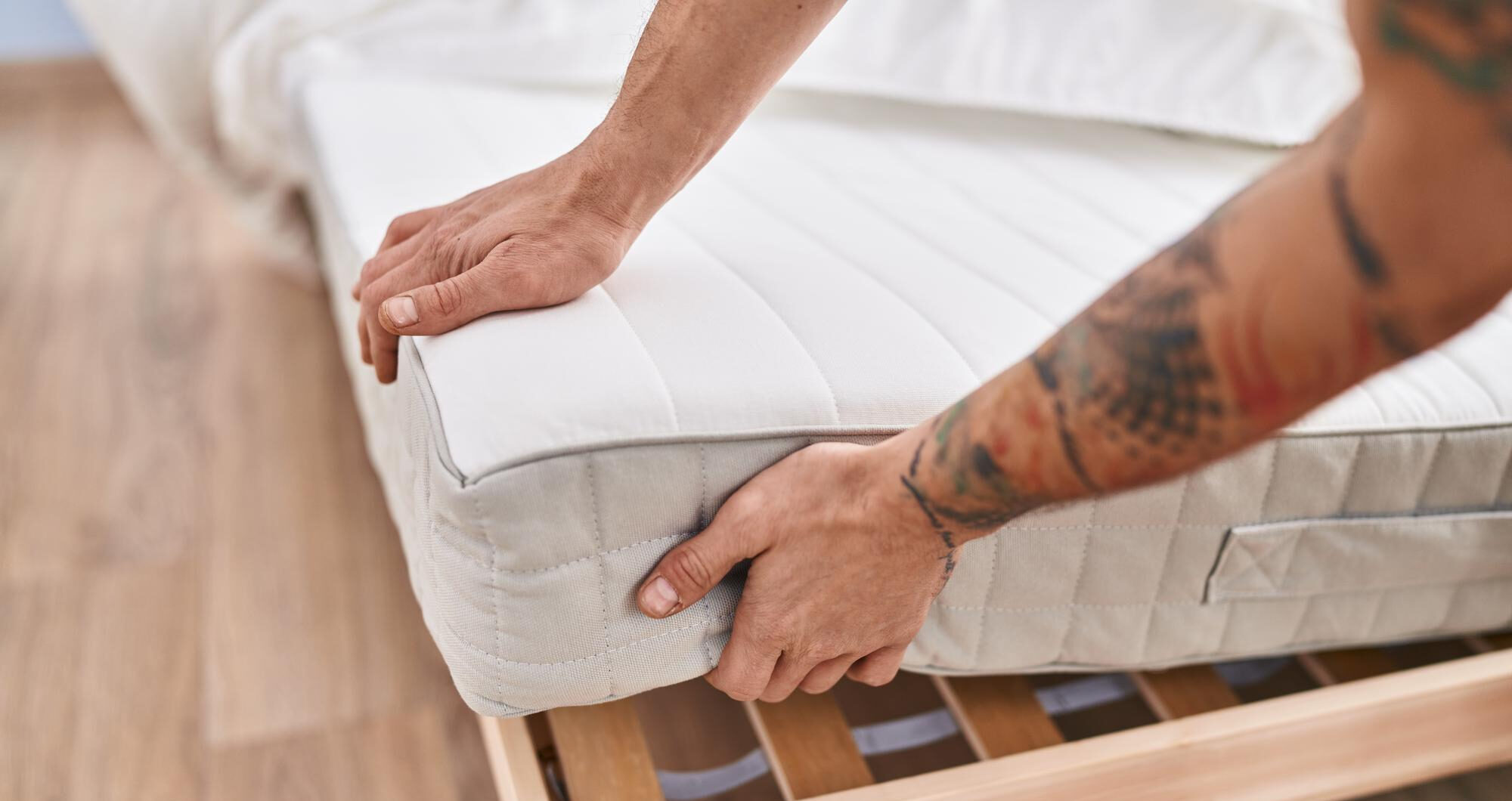

Sleep is the one thing everyone agrees they need more of, and yet the average person will spend years on a mattress that’s quietly working against them without ever connecting the dots. Bad back in the morning? Restless nights? Waking up more tired than when you went to bed? Nine times out of ten, the mattress is the culprit, not your stress levels or your phone habits or whatever else you’ve been blaming.
The strange thing is how little attention most people pay to it. You’d agonise over a sofa because guests will see it, and you’d spend weeks researching a new telly. But the thing you spend a third of your actual life lying on? Shoved into a shopping basket in twenty minutes, usually based on price alone.
How Long Should a Mattress Actually Last?
There’s a rough industry consensus that most mattresses have a useful life of around seven to ten years, though that varies hugely depending on the type and how it’s been treated. Memory foam tends to sag and lose its responsiveness faster than a decent pocket sprung model, and a cheap foam mattress in a spare room might look fine after a decade but feel like sleeping on a deflated lilo.
The tell-tale signs people miss are subtler than an obvious dip in the middle. If you’re waking up stiff but feeling fine after you’ve been up and moving for half an hour, that’s your mattress. If you sleep better in hotels or at other people’s houses, that’s also your mattress. People put up with it for years because it’s an upfront cost they’re reluctant to face, which is completely understandable, but the maths doesn’t really hold up when you factor in the quality of sleep you’re losing.
Worth mentioning too: turning your mattress regularly, if the model allows it, does genuinely extend its life, but most people never bother.
The Firmness Question Gets Complicated
Ask anyone what firmness they prefer and you’ll get a confident answer. Medium firm, always. Or extra firm, because that’s better for your back. Except those assumptions are often wrong, and mattress firmness is one of those things where what you think you want and what actually works for your body can be completely different.
Side sleepers generally do better on a softer surface that lets the shoulder and hip sink in slightly, keeping the spine in line. Back sleepers usually want something medium to firm. Front sleepers are in a bit of a tricky spot and are probably fighting a losing battle regardless. But even those guidelines fall apart when you factor in body weight, whether you share the bed, and whether you run hot at night (which changes what materials make sense).
If you’re genuinely unsure, it’s worth spending real time looking at options rather than defaulting to whatever’s on offer. A decent mattress retailer will usually give you enough detail to narrow things down without needing to lie on forty different options in a showroom, which honestly most people find useless anyway. You can’t assess a mattress in three minutes while fully clothed.
The Cost Conversation Nobody Wants to Have
Quality mattresses are expensive. That’s just true, and pretending otherwise doesn’t help anyone. A decent pocket sprung double will set you back anywhere from £400 to well over £1,000, and there are mattresses that go significantly higher than that. For a lot of households, especially right now, that’s a genuinely difficult spend.
But the framing matters; spread the cost of a £700 mattress over seven years and you’re looking at roughly £100 a year, or under £2 a week. That’s not nothing, but it’s not the terrifying number it seems upfront either, and unlike a lot of purchases you’ll make this year, this one directly affects how functional you are every single day.
The cheaper end of the market isn’t entirely without merit. If you need something for a guest bedroom that gets used four times a year, an entry-level foam mattress is probably fine. It’s when people put those same budget options under themselves every night for a decade that it becomes a real problem.
Sleep is not a luxury feature, it’s just how bodies work. Getting that basic foundation sorted tends to make everything else feel slightly more manageable, even if it’s hard to measure exactly how much better you’re doing because of it.