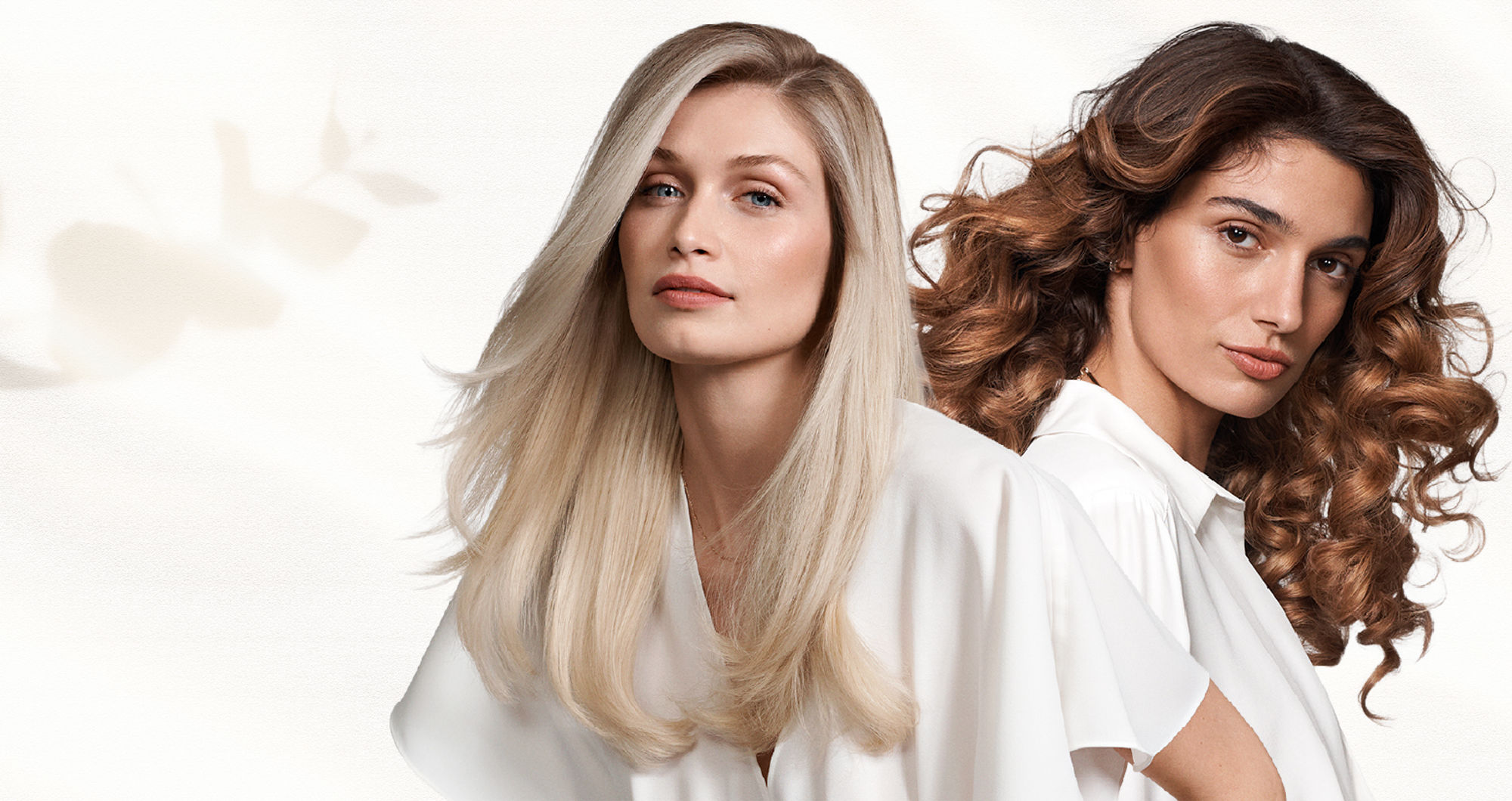

The foundation of healthy hair lies not in the styling of it, but rather in proper care—care that many do not fully realise requires something more than simply shampoo. The simpler ingredient lists and lesser risk of buildup in natural formulas are some of the reasons that both consumers and professionals select them. Rather than masking the dryness, they aim to restore both moisture and strength over time. Learn more about the link between natural hair conditioners and healthy hair in the long run, and you’ll see why switching to a cleaner routine makes sense.
Gentle Ingredients Support Sensitive Scalps
Usually, a sensitive scalp cannot tolerate the artificial additives and fragrances. Ingredients such as aloe vera, coconut milk, or shea butter, which soothe rather than aggravate the scalp, are present in plant-based conditioners. They minimise the potential for itching or flaking, so those with sensitive skin can use them daily as well. Because of this, many people switch to a natural hair conditioner, since plant-based ingredients like aloe vera and shea butter are gentler on sensitive scalps and reduce irritation.
Reduced Chemical Buildup for Cleaner Hair
Silicon, parabens, and synthetic colouring agents are used in synthetic conditioners. These can build up over time to form a layer that weighs hair down and prevents moisture from getting in. On the other hand, natural alternatives harness oils and herbal extracts, which wash out easily, without leaving dense residues. When strands are clean, natural oils are able to be distributed for a healthier shine.
From Root to Tip Hair Strengthening
Natural conditioners utilise the effective proteins and vitamins from plants. Such ingredients are found in avocado or argan oil in such a way that they nourish the strands to support individual strands, preventing breaking and split ends. This technique enables hair that can withstand the numerous challenges posed by styling tools or environmental factors, which allows the hair to thrive for months, even years, at a time.
Ideal Hydration for All Hair Types
Hydration is important for every element, from straight to curly. Most natural conditioners utilize humectants like honey or glycerin that draw moisture into the hair without restoring weight onto fine strands. Deep emollients, such as olive oil, seal in moisture and help your hair be more manageable, so they work best on thicker types. Balanced moisture can lower frizz and help improve softness.
Minimized Allergenic Reactions
However, such shampoo can trigger an allergy in some people, especially if it contains artificial fragrance and dye. Natural conditioners mean no allergens. They also skip the harsh chemicals that can lead to redness, itching, or swelling. Users reduce the chances of sensitivity development over time by opting for fewer synthetic additives, which makes long-term care safer for all.
Eco-Friendly Choices Benefit the Planet
Sustainable decisions are important not only to personal health but also to the protection of the environment. Many natural conditioners come in biodegradable packaging; many formulas use renewable resources. By keeping pollution to a minimum and resources conserved, ethical sourcing and responsible manufacturing practices lead to a cleaner environment for future generations.
Improved Scalp Health Encourages Growth
Healthy hair begins with a healthy scalp. Natural conditioners may contain plant extracts like tea tree or rosemary that keep your scalp in balance. They reduce inflammation and remove buildup. The blood flow is increased by gentle massage during application, which can stimulate the follicles and promote hair hypertrophy for fuller, shinier hair as desired over time.
Avoidance of Long-Term Harmful Effects
Harsh preservatives or synthetic ingredients can cause scalp irritation and thinning hair when used for a long time. Natural options stay away from these and depend on whole-food sources and mild extraction methods. This technique helps maintain the strength and color of your hair over the years without getting it overly dry or stiff.
New Compatibilities with Additional Natural Products
Many people incorporate various products into their haircare routines. Natural conditioners mix well alongside other plant-based treatments, like oils or masks, without much issue. The alignment of these concepts enables you to tailor your routine while ensuring every step complements your complete hair health.
Supports Ethical and Holistic Self-Care
Consumers are becoming more conscious of their purchasing decisions and the need for ethical sourcing and cruelty-free production. Natural conditioners typically come with a background that is in tune with many values, like animal welfare and fair labor practices. Opting for these choices encourages a feeling of wellness that reaches beyond individual looks, aiding in a complete method of self-care.
Conclusion
If you want your hair to be healthy in the long run, using natural hair conditioners has many benefits. These consist of gentle yet effective ingredients that nourish the strands, strengthen the hair, improve the condition of the scalp, and reduce the risk of exposure to harmful and harsh chemicals used in their conventional counterparts. Plant-based alternatives push us toward not just personal health but planetary health, making them a great option for anyone looking to invest in stronger/growing hair that lasts.