
If your child has spent much of the summer immersed in Minecraft, Roblox or their latest favourite game, you’re certainly not alone. For many parents, the challenge isn’t just the amount of time children spend gaming. It’s deciding how to channel that interest into something positive once the new school term begins.
Here, Ed Kim, VP of Education at Code Ninjas, shares some of the conversations they have with parents every week and the advice they find themselves giving most often.
Every family walks through our doors for a different reason
Every conversation is different, but they all start in the same place: parents trying to find an activity that genuinely suits their child.
One of the things I’ve learned is that there’s no such thing as a typical Code Ninjas family. Some parents tell us their child has never really found their place in traditional sports, so they’re looking for something that’s a better fit for their interests. Others arrive after their child has spent much of the summer immersed in Minecraft and Roblox, hoping to find a more constructive application of that interest rather than simply trying to stop it.
Sometimes it’s the children leading the conversation. We regularly meet youngsters who are hell-bent on learning how to code. They’ve done their own internet searches and found us for themselves. For other families, it’s about helping their child meet like-minded friends who share similar interests.
And some parents are already thinking further ahead, seeing coding as a gateway to future study or careers in technology.
Don’t focus on the game. Focus on what your child enjoys about it.
It’s easy to look at gaming and see screen time, but it’s often worth asking what your child actually enjoys about the experience. Is it building? Solving problems? Creating something from scratch? Working with friends? Telling stories?
We’ve found that children often develop different skills when they move from simply consuming technology to creating with it. Children who arrive because they love playing games frequently discover they enjoy designing, building and experimenting just as much, if not more so!
That shift is important because it helps parents see gaming differently too. Rather than viewing it as something to worry about and work out how to limit, it can become a starting point for exploring creativity, problem-solving and digital skills in a much more purposeful way.
The best activities do both
Technology now plays a part in almost every industry, and many families see learning to code as a valuable skill in its own right. Some are thinking ahead, seeing coding as a gateway to future study or careers in technology. Others simply want their child to find an activity they genuinely enjoy each week.
The good news is those two things often go hand in hand. Children are far more likely to stick with an activity when they’re interested in it, and that’s regularly the result when they grow in confidence and discover abilities they didn’t know they had. It’s one of the reasons coding has become such a popular choice for families.
Children enjoy the creative challenge, while parents value the wider skills they’re developing along the way.
From playing games to creating them
One thing that often surprises parents is what children actually do once they arrive. You might be wondering whether there’s really a way to turn your child’s gaming fixation into something a little more productive once the new school term begins.
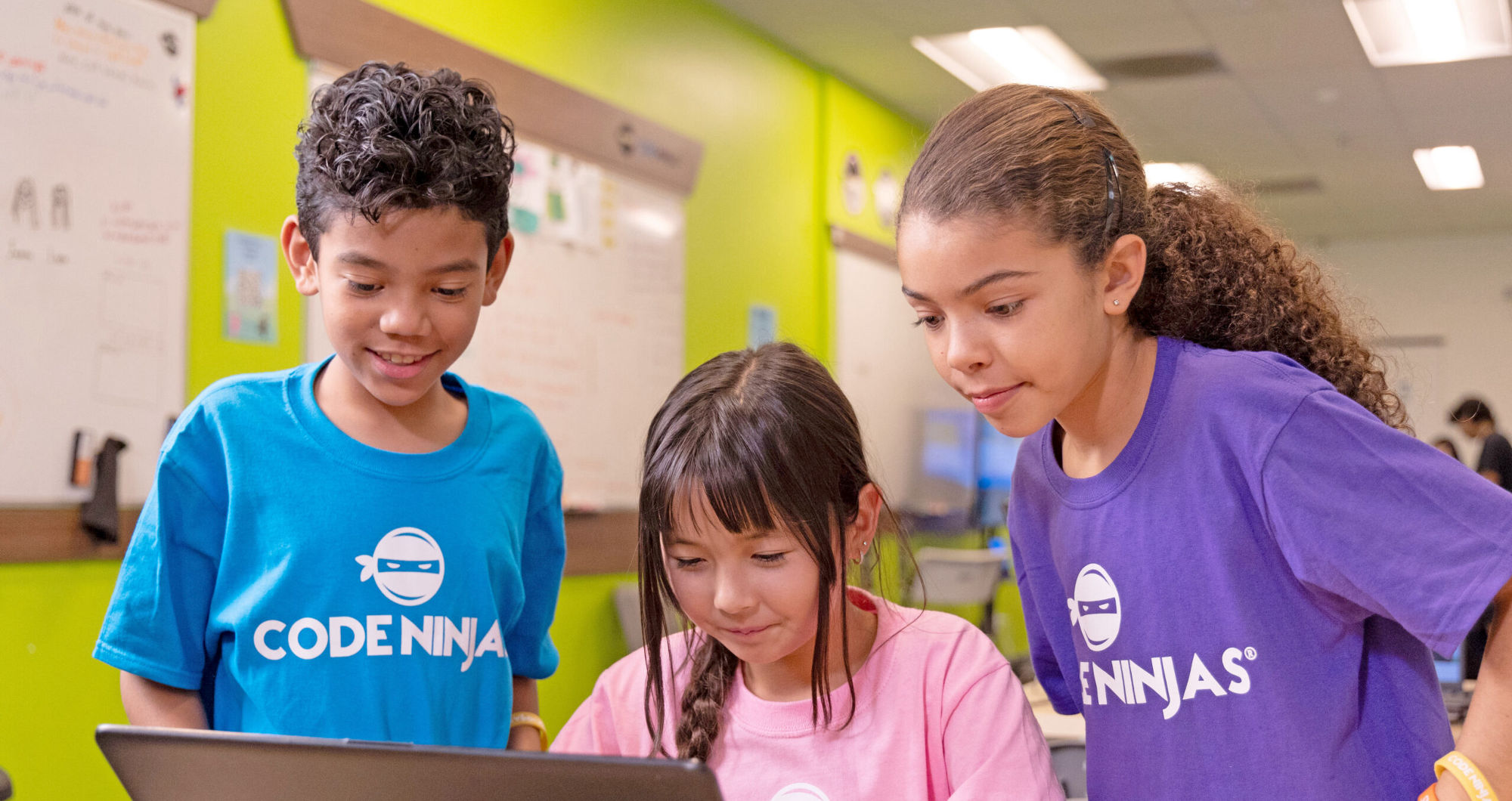
That’s where coding can offer something different. Rather than asking children to give up the games they love, we use that existing enthusiasm as a starting point. They begin creating, designing and solving problems instead of simply consuming what’s already been built. Children typically begin with simple block-based coding before progressing to text-based programming and eventually creating their own 2D and 3D games.
We also use platforms such as Minecraft Education and Roblox Studio as teaching tools. Rather than simply playing the games they already know, children learn how to design worlds, solve challenges and create experiences of their own. It’s a subtle difference, but an important one. They’re no longer just consuming technology – they’re beginning to understand how to create it.
For many parents, that’s the moment they realise coding isn’t really about computers at all. It’s about showing children that the games they love don’t just have to be played and that one day, they could create something of their own.
Preparing for a return to school is a great time to plan those activities your children can enjoy outside of school hours. For more information about Code Ninjas, visit the website.