
Dubrovnik is one of Croatia’s most popular summer destinations, attracting visitors with its medieval walls, historic streets and views across the Adriatic Sea. However, the city can get particularly crowded during July and August, when accommodation prices also tend to rise. Venture further along the coast or explore the country’s interior, and you’ll discover Roman ruins, scenic national parks, traditional villages and beautiful islands that deserve just as much attention.
Getting around Croatia is relatively straightforward, thanks to its regional airports, ferry connections and well-maintained road network. You can combine several stops in one trip or spend a few days exploring a particular region at a more relaxed pace. Here are five Croatian destinations to consider beyond Dubrovnik, along with practical tips on what to see, when to visit and how to get there.
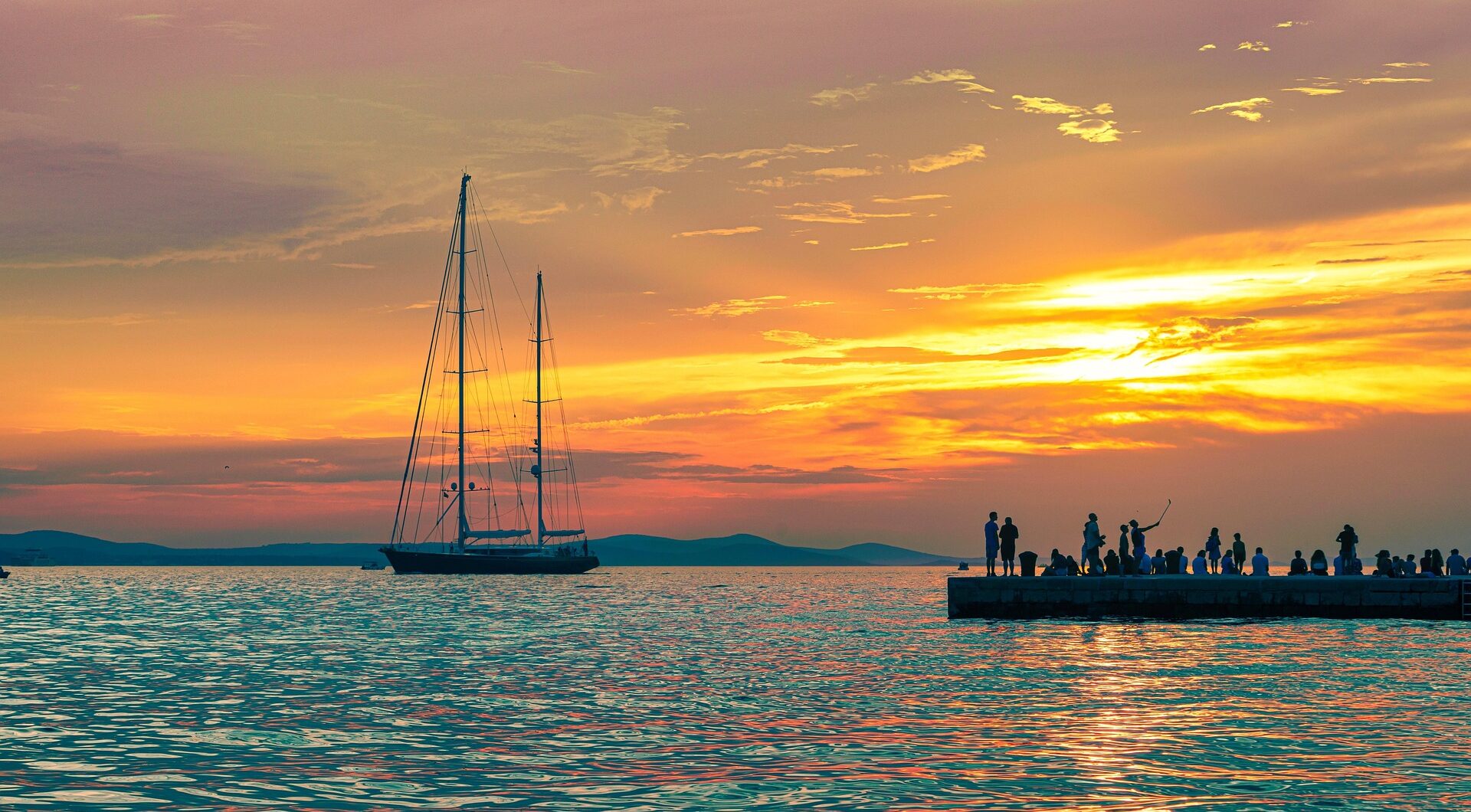
Listening to the Sea Organ at Sunset in Zadar
Located on Croatia’s northern Dalmatian coast, Zadar is a historic seaside city known for its Roman ruins, medieval churches and waterfront attractions. One of its most unusual landmarks is the Sea Organ, designed by architect Nikola Bašić. Built into the marble steps along the promenade, it uses the movement of Adriatic waves to produce musical sounds through pipes beneath the surface. Nearby, the solar-powered Greeting to the Sun installation creates a colourful light display after sunset, making the waterfront particularly enjoyable to explore in the evening.
Staying outside the historic centre in neighbourhoods like Borik or Diklo gives you access to beaches and a quieter setting away from the busy Old Town. If you’re looking at villas in Zadar for rent, properties with private pools or outdoor terraces can be particularly appealing during the warmer months. Having a hire car also makes it easier to explore nearby beaches and coastal villages, although parking around the historic centre can be limited.
Zadar Airport has seasonal flight connections with several UK cities, making it a convenient option for a summer break. The airport shuttle takes approximately 20 minutes to reach the Old Town, while taxis provide an alternative if you’re travelling with luggage. June and September are good months to visit, with pleasant temperatures for sightseeing and generally fewer crowds than in July and August. Head to the waterfront shortly before sunset to find a spot along the Sea Organ’s steps and enjoy the changing colours over the Adriatic.
Walking Wooden Boardwalks Across the 16 Plitvice Lakes
Located in Croatia’s mountainous Lika region, Plitvice Lakes National Park is famous for its 16 interconnected lakes, cascading waterfalls and dense forests. Wooden boardwalks take visitors across clear turquoise waters and past limestone formations shaped by centuries of mineral deposits. One of the park’s main attractions is Veliki Slap, Croatia’s tallest waterfall, which drops approximately 78 metres.
The park is divided into the Upper and Lower Lakes, with several marked walking routes suitable for different fitness levels. Electric boats cross Lake Kozjak, while panoramic shuttle vehicles connect different parts of the park, making it easier to explore without covering every section on foot. Route C is a popular option for exploring both lake systems and takes approximately four to five hours to complete. Wear comfortable walking shoes, as some paths include steps and uneven sections.
Plitvice Lakes is accessible by car or intercity bus from both Zadar and Zagreb, with journeys generally taking around two hours, depending on your departure point and traffic. Summer is a popular time to visit, so book your timed entry tickets online well in advance. Arriving early in the morning can help you avoid the busiest periods, particularly along the narrower boardwalks. Check the park’s opening hours before travelling, as entrance times and transport services vary throughout the year.
Swimming Off the Wind-Shaped Zlatni Rat Beach on Brač
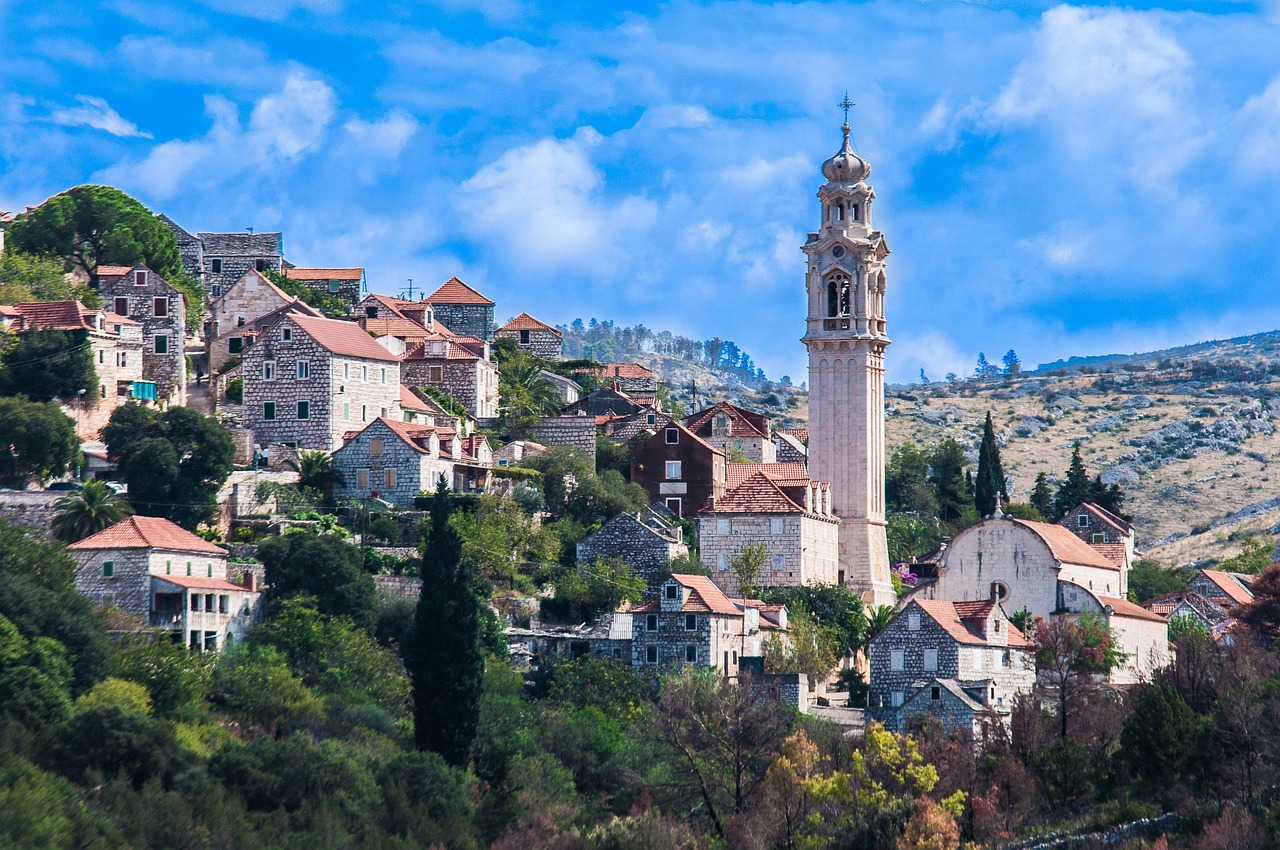
Image by Walter Bichler from Pixabay
The island of Brač, just off Croatia’s Dalmatian coast, is home to Zlatni Rat, one of the country’s most recognisable beaches. Located near the town of Bol, this long stretch of pale pebbles extends approximately 500 metres into the Adriatic Sea. Its distinctive shape changes gradually with the wind, waves and sea currents, making it an unusual natural attraction. The clear water and views towards neighbouring islands make it a popular destination for swimming and enjoying the summer sunshine.
Pine trees provide welcome shade along parts of the beach, while the surrounding waters attract visitors interested in windsurfing and other water sports. The afternoon winds can create excellent conditions for more experienced windsurfers, although swimming conditions vary throughout the day. If you prefer exploring on foot, a waterfront promenade connects Zlatni Rat with Bol, passing smaller beaches and shaded stretches along the way. Allow around 20 to 30 minutes for the walk, depending on your pace.
The easiest way to reach Brač is via Split, which has direct flights from several UK airports during the summer. From Split’s ferry port, you can take a car ferry to Supetar or a passenger catamaran to Bol, depending on seasonal services. Travellers arriving in Supetar will need onward transport to reach the southern coast. June and September are particularly appealing for a beach holiday, with warm weather and generally fewer visitors than during the busiest weeks of July and August.
Tasting Truffles in the Hilltop Town of Motovun
Perched above the Mirna River valley in central Istria, Motovun is a medieval hilltop town surrounded by vineyards, forests and rolling countryside. Its stone streets, historic buildings and panoramic views make it an interesting alternative to Croatia’s coastal destinations. The nearby Motovun Forest is particularly famous for its white and black truffles, which feature prominently in the region’s traditional cuisine.
Spend some time exploring Motovun’s narrow cobbled streets and historic town walls before stopping for a meal at a traditional local restaurant. One of the region’s best-known dishes is fuži, a type of handmade Istrian pasta often served with freshly shaved truffles. Local wines, including Malvasia and Teran, are also popular accompaniments. If you enjoy exploring smaller towns, the surrounding countryside has several picturesque villages and vineyards that can easily be included in a day trip.
Pula Airport is approximately an hour’s drive from Motovun, and hiring a car is one of the easiest ways to explore inland Istria. Visitors generally park below the historic centre and walk uphill, although a seasonal shuttle service may be available. Summer is a good time to explore the surrounding countryside and sample local black truffles, which are in season during the warmer months. For those particularly interested in white truffles, October and November are especially appealing, when local food festivals celebrate the autumn harvest.
Wandering the Walled Old Town of Korčula
Korčula is a beautiful island off Croatia‘s southern Dalmatian coast, known for its medieval architecture, traditional culture and sheltered coastal scenery. Its main town sits on a small peninsula, surrounded by historic stone walls and defensive towers overlooking the Adriatic. The Old Town’s narrow streets follow a distinctive layout designed to allow cooling summer breezes through while providing shelter from stronger winds. Walking through its cobbled lanes reveals historic churches, small squares and centuries-old stone buildings.
One of the highlights is St Mark’s Cathedral, where visitors can admire the architecture and climb the bell tower for views across the Pelješac Channel. Korčula is also known for its local wines, particularly Pošip and Grk, two white grape varieties closely associated with the island. Spend an afternoon exploring the waterfront before sampling regional dishes at a traditional restaurant. During the summer, you may also have the chance to watch the Moreška, a traditional sword dance that remains an important part of Korčula’s cultural heritage.
High-speed passenger catamarans connect Korčula Town with Split, with journeys generally taking around two and a half hours, depending on the service. Seasonal connections are also available from Dubrovnik, making it a convenient addition to a longer Croatian holiday. June and September are good months to visit if you prefer warm weather and fewer crowds. Check ferry schedules before booking accommodation, as departure times and the frequency of services vary throughout the year.
Which Croatian stop would you pick first?
Each of these five destinations brings something different to a Croatian holiday. Spend an evening watching the sunset in Zadar, follow the walking trails around Plitvice’s waterfalls or sample the food and wine of the Istrian countryside. There’s plenty to discover if you’re willing to explore beyond the country’s most famous attractions.
Think about the activities you’d most enjoy and how much time you have available. Combining a coastal destination with an inland excursion or an island visit can add variety to your holiday, although travel times and ferry connections need careful planning. Book transport and accommodation ahead of the busy summer season, leaving enough time to enjoy each destination without rushing.
Feature image by Ramon Perucho from Pixabay