
Leafy vegetables, which come under the vernacular and linguistic term “saag” in Indian languages, are an integral part of a healthy and balanced diet. They are a treasure trove of essential nutrition that maintains the body, enhances immunity, and cleanses the digestive system. With the change in climate, especially during monsoon and winter, it is that season to include a variety of leafy greens in your diet. Seasonal vegetables help provide essential vitamins and minerals; moreover, they are vital in detoxifying the body and working to aid your immune system.
The Six Healthiest Leafy Greens You Should Eat This Season
It’s time to talk about some of the healthiest leafy greens you can consume this season. All the way from spinach to mustard greens, those people hardly eat; each of these vegetables offers different health benefits and is easily incorporated into meals every day. Whether in curry, soup, or simply stir-fried, these greens are going to feed your body and make it healthy.
Palak (Spinach): The Iron Powerhouse
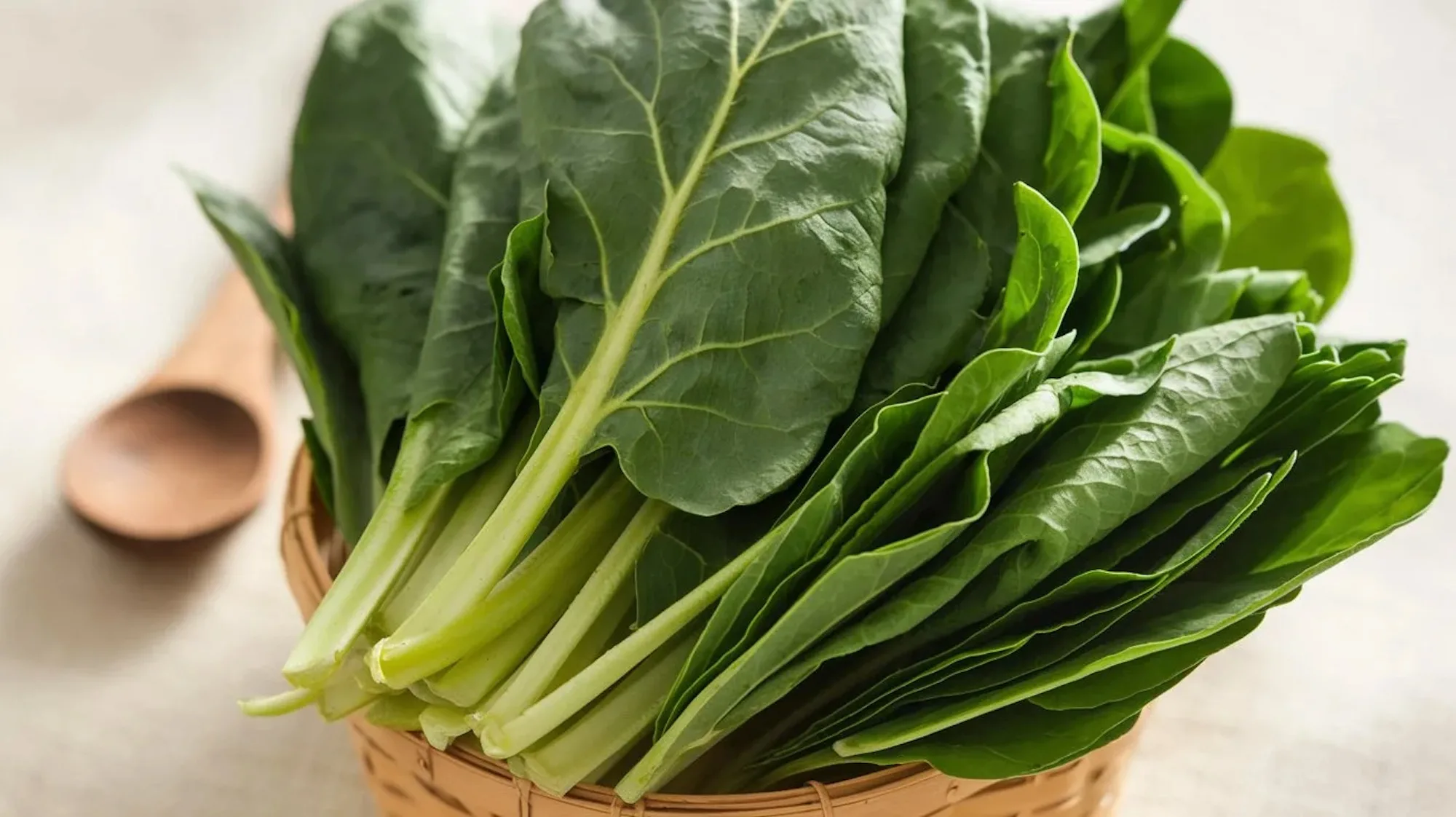
Palak, commonly known as spinach, is the most consumed leafy green in the world during the winter season. This affordable staple is rich in iron, folate, and magnesium—all nutrients critical in production for the red blood cell, energy production, and muscle contractions.
Health Benefits:
Rich in Iron: Spinach is very beneficial for anemia or people suffering from low iron content in their bodies. Rich in iron, it helps form hemoglobin, which carries oxygen in the body. Therefore, spinach prevents deficiency of iron if consumed regularly.
Boosts Immunity: This green leafy vegetable is full of vitamin C, an antioxidant that will strengthen your immune system and fight off infections.
Good for Digestive Health: The fibre in spinach improves digestion and fosters excellent gut health. It helps avoid constipation and keeps the digestive tract running well.
How to Eat It: Spinach is versatile, and one can eat it at any time. It could be in palak paneer, spinach soup, or just a simple spinach salad. To take advantage of the healthier version of the dish during winter, include spinach within lentil stews or vegetable curries.
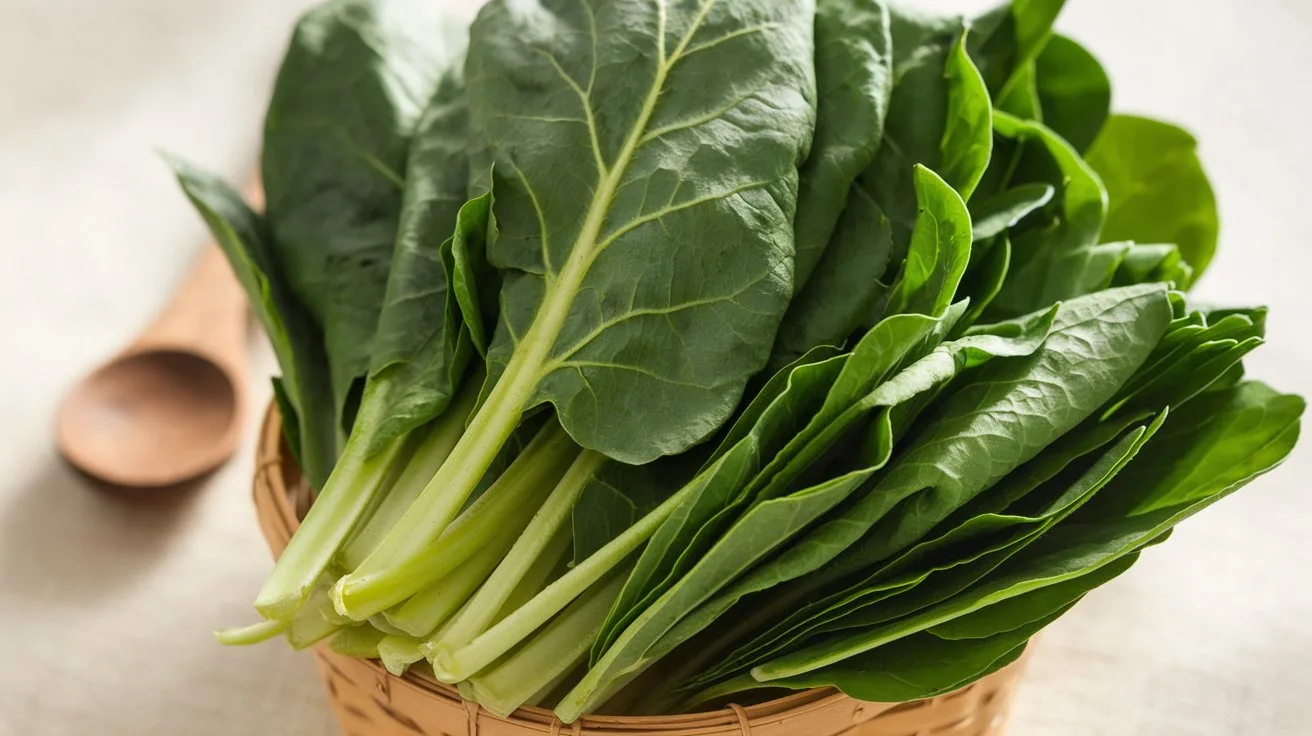
Methi: Fenugreek, or methi, is widely used in Indian cuisine.
The leafy greens are known for their unique, slightly bitter taste. Rich in vitamins A, C, and K, and abundant with fiber, antioxidants, and essential minerals like calcium and potassium.
Health Benefits:
Detoxifies the Body: The leaves of fenugreek possess detoxifying properties that cleanse the liver by eliminating all kinds of damaging toxins from the body. This makes them especially useful during the monsoon season, when the body is more vulnerable to infections and digestive disorders.
Regulation of Blood Sugar: Methi is well known for its ability to lower blood sugar. They are particularly helpful in cases of patients who suffer from type 2 diabetes because the absorption of insulin in them improves their sensitivity.
Promotes Hair Health: Methi is also very good for improving hair health. Iron and protein contribute to strengthened hair follicles and encourage hair growth.
How to Eat It: Fenugreek leaves can be used in so many different forms. Meth i paratha, methi thepla, or meth i dal are popularly consumed. Fresh methi leaves can also be added to soups and vegetable stir-fries or used in a fresh meth i chutney.
Mustard Greens (Sarson): A Winter Super-food
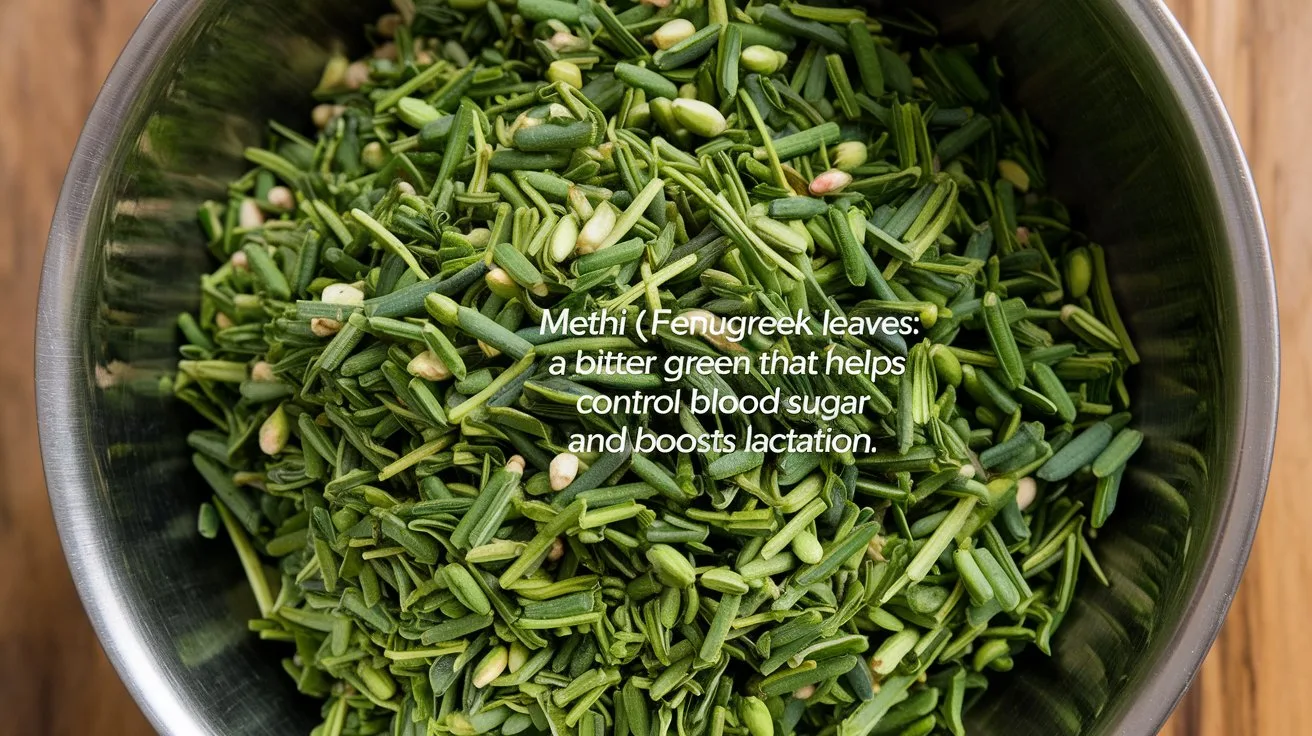
One of the staple green leafy vegetables that finds its topmost consumption in the winter season in India is s arson, otherwise known as mustard greens. With vitamins A, C, and K, mustard greens are the ultimate powerhouse of nutrition that even fights off seasonal colds and flu.
Health Benefits:
Rich in Vitamin K: Mustard greens contain a rich store of vitamin K, which is much required to increase the level of calcium within bones and improve blood clotting. Hence, it is one of the most important vegetables that can help prevent disorders related to bones and better circulation of blood.
Nutrition for the Heart: This greenery has good amounts of antioxidants such as flavonoids, which reduce oxidative stress and inflammation for better heart health.
Rich in Vitamin C: It is an excellent way to boost your immunity and make your body more resistant to the common colds and infections that come with winter.
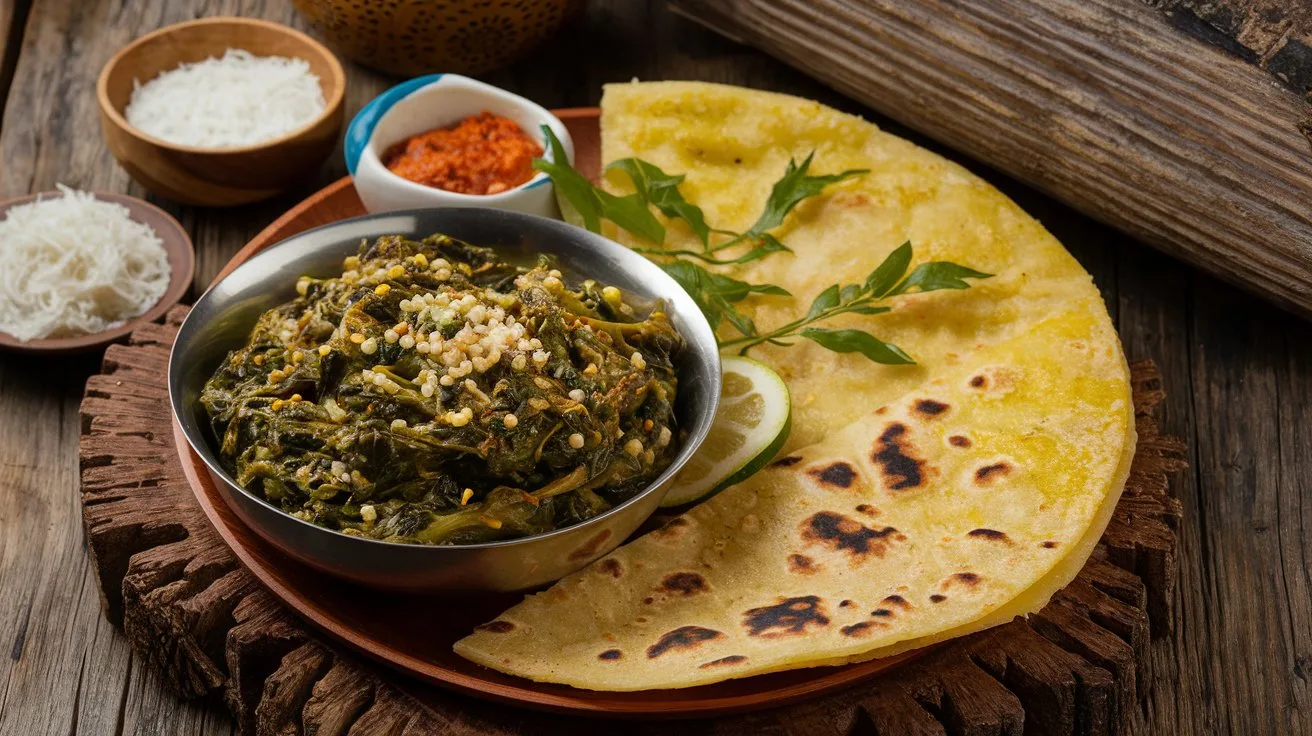
How to Consume It: Sarson da saag is one of the most well-liked North Indian dishes, served usually along with makki di roti (cornmeal flatbread). They can also be included in soups, stews, and many other stir-fried vegetables.
Kale: The Nutrient-Enriched Green
Recent across the globe, Kale is surging in popularity for its rich nutritional profile. Not traditionally grown in India, the reasons for its entry into the diet of health-conscious folks in the country would be its richness in vitamins and minerals.
Health Benefits:
Rich in antioxidants: Kale is packed with antioxidants, including quercetin and kaempferol, neutralising free radicals and boosting chances against chronic diseases like cancer and heart disease.
Promotes Detoxification: Sulfur compounds in kale will encourage the detoxification by the liver, hence being particularly useful in seasonal transitions.
Calcium-rich: The other virtue of kale is that it is a perfect non-dairy source of calcium, and these are very essential for maintaining the density of bones and hard teeth.
Usage: It can be added to the smoothies, mixed into salads, or sauteed with garlic and olive oil for a ready side dish. It could also be used in soups or as a base for vegetable curries.
Collard Greens: The Antioxidant-Rich Green words)
Collard greens are a leafy green vegetable that contains vitamins A, C, and K; this clearly doesn’t do much harm but loads of good by providing benefits in terms of heart health and inflammation in the body. Like Kale, their country of origin is not India but are a very big sensation these days.
Health Benefits:
Anti-inflammatory properties: Compounds present in collard greens reduce inflammation in the body and are therefore a perfect food for those suffering from arthritis or other disease conditions that occur due to too much inflammation.
Support heart health: Collards have fibre and antioxidants that are vital elements when cutting down cholesterol levels and maintaining heart health.
Regulates Blood Sugar: The fibre content in collard greens also regulates blood sugar, which is helpful to diabetic individuals.
How to Eat It: Collard greens can be added to a variety of dishes, including collard green curry and collard green stew, and they can even be used instead of bread for wraps. It can even stir-fry itself with onions, garlic, and spices for a delicious side.
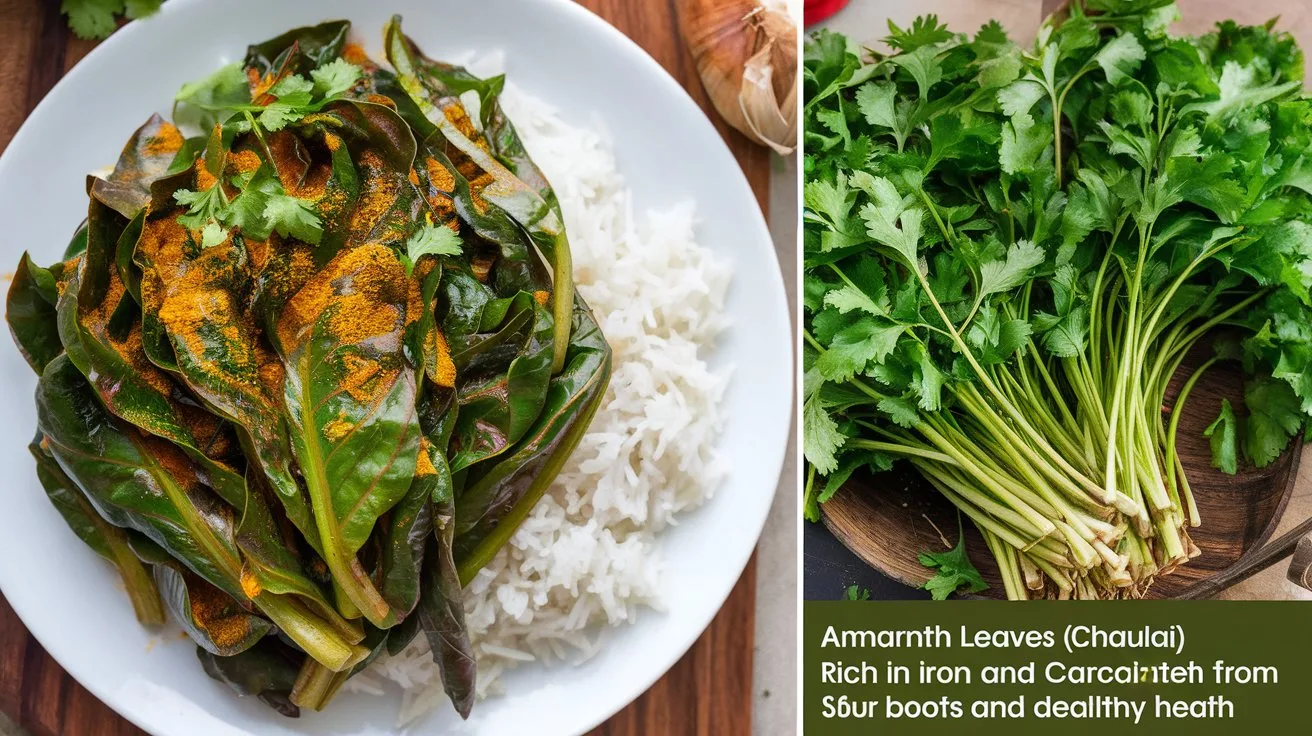
Amaranth Leaves (Chaulai): A Lesser-Known Super-food
Even though most people avoid the humble amaranth leaf, popularly known as chaulai, nutritionally it is very rich and happens to be superfluous in many parts of the world.
Health Benefits:
Rich in Protein: Though rare, amaranth leaves contain almost complete protein; hence, they constitute an excellent source of protein for vegetarians and vegans.
Support Bone Health: Rich in calcium and iron, amaranth leaves aid in the promotion of health for bones and avoid disorders like osteoporosis.
Digestion: The rich fibre ensures the promotion of bowel movements and better digestion.
One can consume the amaranth leaves in so many ways: amaranth soup, amaranth paratha, sauteed with garlic and spices, added to dal or vegetable stews, etc.
Conclusion
And it is during a time of seasonal transition where you have a wonderful chance to introduce varieties of saag, which constitute leafy greens, to your diet. You may end up enhancing immunity and digestion and, by extension, your well-being. While certain leafy greens such as spinach or the somewhat less familiar ones like mustard greens are popular, amaranth and kale are others that count in an important category of nutrient-dense vegetables for a healthy lifestyle.
So when the seasons come, do not forget to add some of these green leafy veggies to your diet to nourish your body. It is so easy to cook with and can be added to a mix of both recipes: soups and stews, curries, salads, and many more. From this, a healthy diet will be brought forth to you; besides that, it will give variation and colour to what you eat.