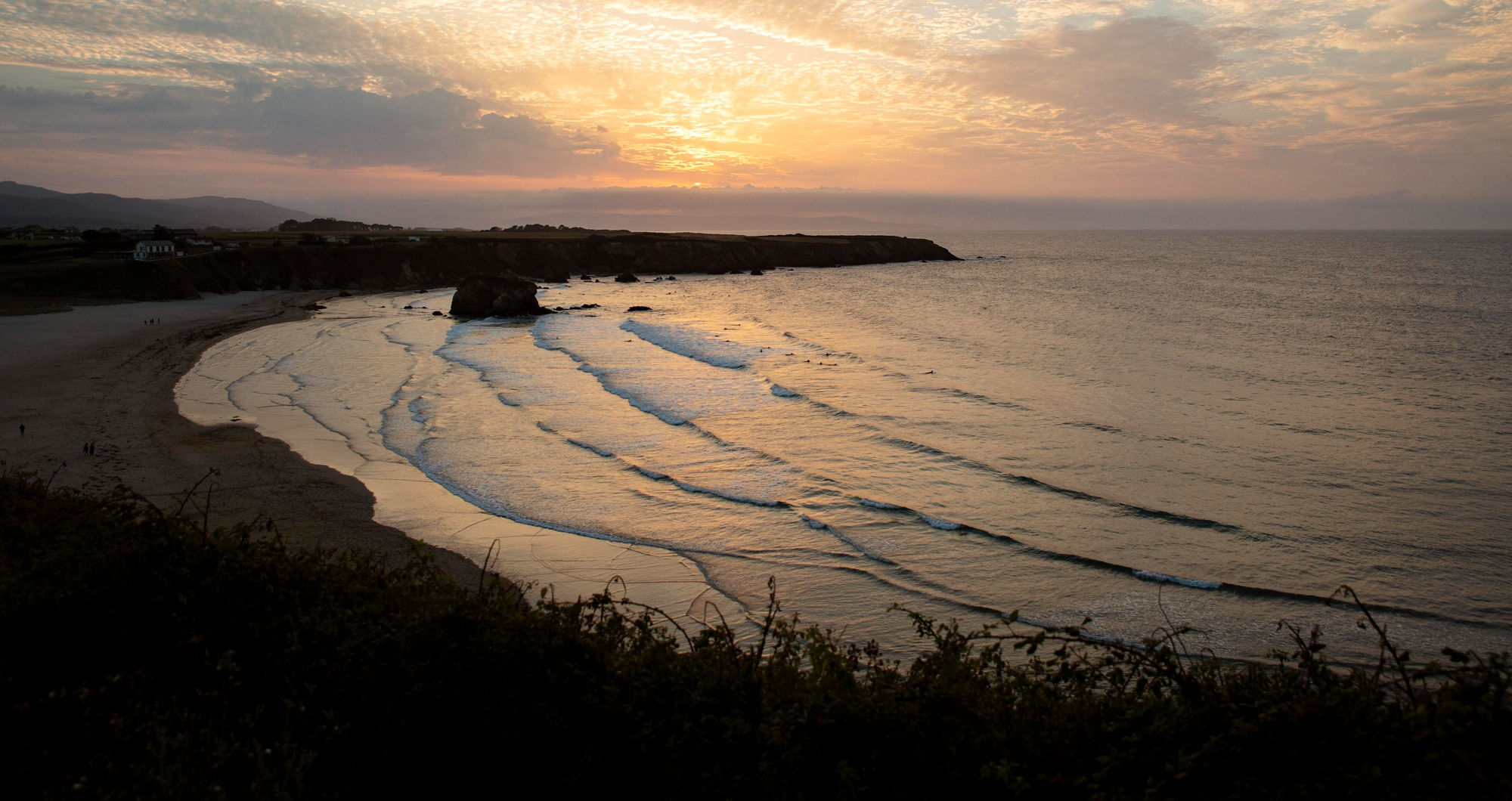

While UK travellers crowd into Miami and Los Angeles, American families are quietly escaping to entirely different beaches.
These seven coastal destinations offer what’s becoming rare: beautiful shores without the chaos, authentic communities rather than tourist traps, and space to breathe. They’re well-loved domestically but absent from UK holiday conversations. Here’s where Americans really go when they want budget-friendly travel in the US.
1. Florida’s 30A Corridor: The “Hamptons of the South”
Stretching along the Florida Panhandle, the 30A corridor feels worlds away from the state’s more familiar tourism hubs. Rather than high-rise hotels and neon nightlife, this coastal strip is defined by carefully planned beach towns, low-density development, and an almost obsessive commitment to aesthetics and liveability.
What makes 30A special:
- Wooden boardwalks lead to pristine white-sand beaches
- Pastel-coloured homes and independent cafés line walkable streets designed for cyclists
- Communities like Seaside, Rosemary Beach, and Seacrest prioritise shared public space
- The atmosphere is quietly upscale without being showy
The accommodation style:
- Private homes and boutique rentals dominate over large resorts
- Reinforces a residential, lived-in feel
- Perfect for multi-generational family holidays and extended summer stays
Among Americans, 30A is often described as the “Hamptons of the South” (a place for repeat visits year after year). What makes it particularly appealing is its balance: warmth, swimming-friendly waters, and impeccable beaches, without the crowds or commercial intensity many associate with Florida.
For UK travellers curious about experiencing this refined beach-town lifestyle, coastal luxury on Seacrest Beach in Florida offers a clear example of the understated, design-led accommodation that defines the area.
2. Oregon Coast: Scenic Highways and Storybook Fishing Villages
On the opposite side of the country, the Oregon Coast offers a very different vision of coastal travel (one shaped by weather, wilderness, and dramatic scenery). This is not a destination for sun loungers, but for road trips, long walks, and small towns essentially unchanged by mass tourism.
Highway 101 highlights:
- Traces the coastline for hundreds of miles past rugged cliffs and windswept beaches
- Dense evergreen forests drop almost directly into the Pacific
- Fishing villages where life revolves around the sea and seasonal rhythms
- Ideal for wildlife lovers seeking authentic encounters
Towns such as Cannon Beach and Newport offer charm without artifice. Cafés serve chowder rather than cocktails, and coastal walks replace organised excursions. For UK travellers, the Oregon Coast often feels surprisingly familiar, echoing parts of Cornwall, Wales, and the Scottish Highlands, yet with unmistakably American scale.
3. South Carolina’s Lowcountry Islands: Hilton Head and Kiawah
Along the southeastern edge of the US, South Carolina’s Lowcountry islands offer a coastal experience shaped by restraint as much as beauty. Places such as Hilton Head Island and Kiawah Island have deliberately limited high-rise development, preserving beaches, maritime forest, and salt marsh.
What defines the Lowcountry:
- Cycling paths weave through shaded landscapes
- Beaches feel uncrowded even in peak season
- Wildlife is part of daily life, not a curated attraction
- Golf courses integrate quietly into the environment
For American families, the appeal lies in predictability and calm (destinations where holidays revolve around morning bike rides, afternoons on the beach, and evenings spent outdoors). For UK travellers, the Lowcountry offers a distinctly Southern coastal culture that feels both refined and unhurried.
4. California’s Central Coast: Cambria, Pismo Beach, and Avila Beach
Between Los Angeles and San Francisco lies a stretch of coastline many international visitors simply drive past. California’s Central Coast, anchored by towns such as Cambria, Pismo Beach, and Avila Beach, presents a softer, more grounded version of the Golden State.
Central Coast characteristics:
- Cliffs give way to wide beaches where sea lions gather near harbours
- Vineyards sit just inland, benefiting from cool ocean air
- Wine culture is unpretentious, centred on small producers
- Perfect for active travellers who enjoy coastal hikes
What makes the Central Coast particularly appealing is its balance. It delivers iconic Pacific scenery without the congestion of major cities, and outdoor experiences without the performative lifestyle branding. Even in summer, the atmosphere remains relaxed.
5. North Carolina’s Outer Banks: Barrier Islands and Maritime History
Off the coast of North Carolina, a long chain of narrow barrier islands separated from the mainland by shallow sounds creates the Outer Banks region (an area that feels geographically and culturally distinct from much of the US East Coast).
The landscape:
- Beaches stretch for miles with minimal development
- Dunes rise and shift with the wind
- Historic lighthouses punctuate the shoreline
- Holiday homes dominate, reinforcing seasonal rhythm and tradition
For Americans, the Outer Banks represent continuity (places visited across generations). For UK travellers, they offer something rarer: a spacious coastal holiday largely untouched by international tourism, rooted more in nature and history than curated entertainment.
6. Maine’s Coastline: Lighthouses, Lobster Towns and Quiet Tradition
Maine’s coastline offers one of the most distinctive coastal landscapes in the United States. Stretching along the northeastern edge of the country, it is defined by rocky headlands, working harbours, and a deep connection to the sea rather than sandy expanses and sunbathing culture.
Maine’s coastal character:
- Towns such as Bar Harbor and Kennebunkport revolve around fishing and boatbuilding
- Lobster boats leave the harbour early each morning
- Lighthouses mark dangerous headlands
- Coastal walks replace beachfront promenades
For UK travellers, Maine often feels familiar (cool climate, rugged beauty, and understated hospitality echo coastal Wales or northern Scotland), while its scale and wilderness remain distinctly American. Despite domestic popularity, Maine remains largely overlooked by international visitors.
7. Texas Gulf Coast: Padre Island and Port Aransas
The Texas Gulf Coast is rarely associated with refined beach travel, yet destinations such as Padre Island and Port Aransas tell a different story. Here, beaches are vast and windswept, communities are informal, and the atmosphere is refreshingly unpolished.
Padre Island National Seashore:
- Protected as a national seashore, with wildlife taking priority over development
- Sea turtles nest along the coast
- Long stretches of beach remain uninterrupted by resorts
- Migratory birds pass through seasonally
Port Aransas functions as a working coastal town with fishing boats, casual cafés, and a strong local identity rather than as a purpose-built tourist destination. For UK visitors, the Texas coast offers an unexpected perspective on American beach culture (one rooted in nature, affordability, and space rather than glamour).
Why These Coastal Destinations Remain Undiscovered
These destinations share one thing: absence from international marketing. UK travellers follow the familiar route while Americans holiday where liveability trumps visibility. For those willing to skip the obvious choices, the payoff isn’t just better beaches or smaller crowds. It’s finding places that still feel like somewhere, not everywhere.