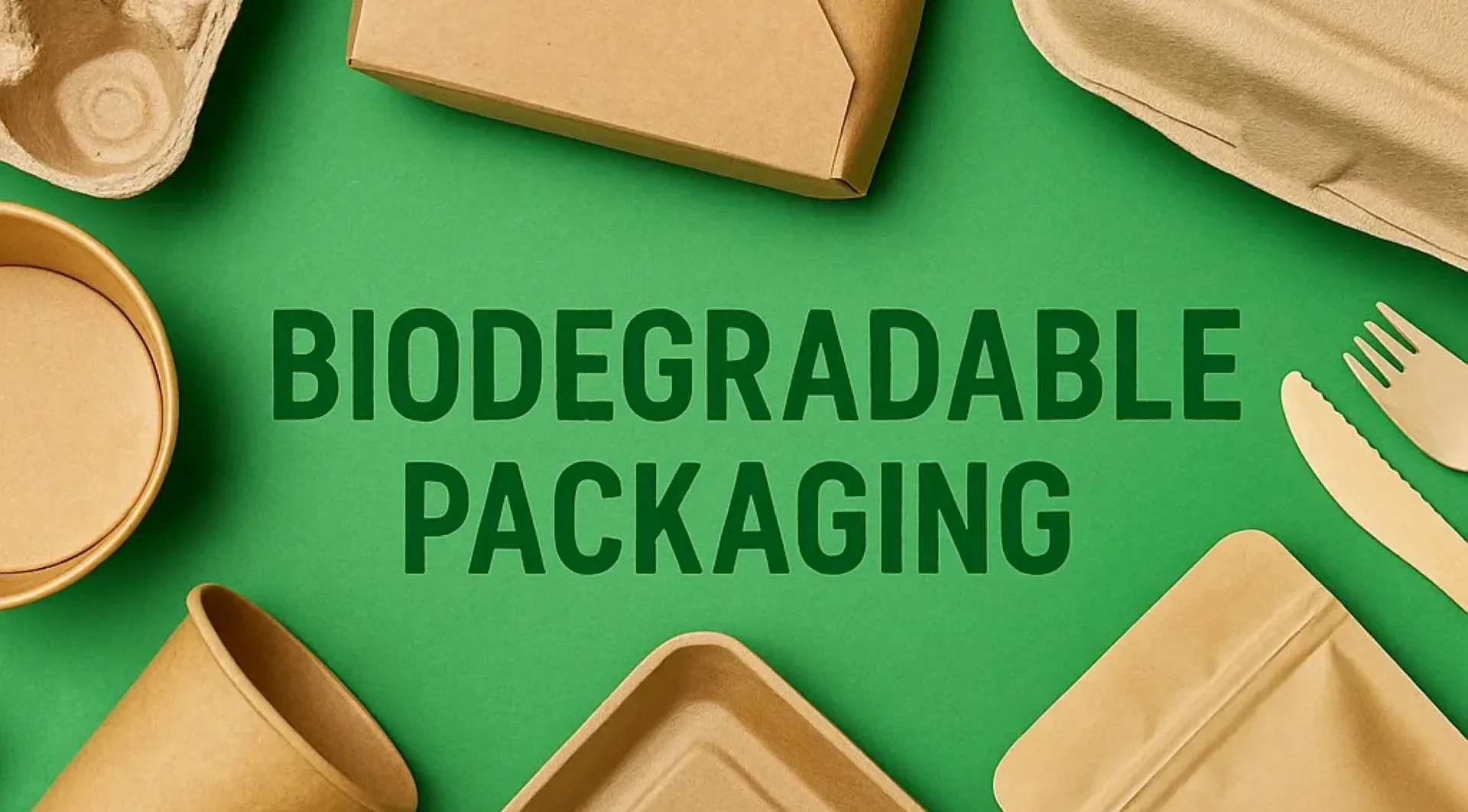

In an era where sustainability is not just a trend but a necessity, the biodegradable paper and plastic packaging industry is gaining significant momentum—thanks to technological innovation and shifting consumer behaviours. As environmental concerns rise, particularly in the fast-growing e-commerce sector, companies are increasingly embracing biodegradable materials that naturally break down without leaving toxic residues.
Biodegradable Packaging: What Is It and Why It Matters
Biodegradable packaging refers to materials that decompose through the action of natural microorganisms like bacteria and fungi. Unlike traditional plastic, which can persist in the environment for hundreds of years, biodegradable paper and plastic packaging breaks down into non-toxic components such as carbon dioxide, water, and biomass within a shorter period.
Paper-based biodegradable packaging is typically made from renewable resources such as bamboo, wood pulp, or recycled paper. Common examples include paper bags, cardboard boxes, and moulded pulp containers. These materials decompose efficiently when exposed to air, moisture, and microbes.
Biodegradable plastics, on the other hand, are derived from natural sources like cornstarch, sugarcane, or other plant-based compounds. Two major types—Polylactic Acid (PLA) and Polyhydroxyalkanoates (PHAs)—are increasingly used in packaging applications and break down under controlled composting conditions.
The AI Advantage: Smarter, Greener Packaging Solutions
The integration of Artificial Intelligence (AI) is revolutionising the biodegradable packaging landscape. AI-powered systems are being used to analyse the physical and chemical properties of biodegradable materials, enabling the development of stronger, more efficient, and cost-effective packaging solutions.
From streamlining manufacturing processes to reducing energy consumption and material waste, AI is helping companies meet sustainability goals while maintaining profitability. AI also plays a critical role in quality control, detecting material defects during production, and predicting equipment failures to minimise downtime.
Additionally, AI enables mass customisation of packaging designs based on consumer behaviour insights and emerging trends. Machine learning algorithms can further optimise raw material sourcing and production cycles, making biodegradable packaging a viable and scalable solution for businesses.
E-Commerce Drives Demand for Eco-Friendly Packaging
The explosive growth of e-commerce has significantly increased the demand for sustainable packaging materials. Online retailers now face mounting pressure to reduce their environmental impact—especially from eco-conscious consumers who prefer greener delivery options.
According to an August 2024 report from the E-commerce Council, major players like Amazon and Alibaba are leading the way by adopting biodegradable and recyclable packaging. These efforts are aligned with Environmental, Social, and Governance (ESG) goals, enhancing brand reputation and customer loyalty.
Amazon’s “Climate Pledge” includes concrete initiatives to reduce plastic packaging and expand the use of biodegradable materials. Holding 37.6% of the U.S. e-commerce market, Amazon’s actions set a powerful precedent, with Walmart following at a distant 6.4%.
Challenges: Raw Material Limitations and Infrastructure Gaps
Despite the optimistic outlook, the biodegradable packaging market faces hurdles. Limited access to agricultural feedstocks like corn or sugarcane can pose supply challenges, especially as these crops also support food and biofuel industries.
Additionally, the lack of proper infrastructure—such as industrial composting facilities—is a significant restraint. Many biodegradable plastics require specific environmental conditions to break down effectively, conditions not always available in municipal waste systems. There’s also the risk of contaminating recycling streams when biodegradable and conventional plastics are improperly mixed.
Opportunities on the Horizon
Governments around the world are stepping up with policies that ban single-use plastics and promote biodegradable alternatives. These regulations, coupled with tax incentives and research funding, create fertile ground for innovation and market expansion.
New technologies, including bio-based coatings and enhanced barrier materials, are broadening the application of biodegradable packaging into more demanding use cases like food and beverage. Additives that accelerate decomposition in natural environments are also being developed, bringing us closer to a zero-waste future.
Conclusion
The convergence of AI, e-commerce growth, and environmental urgency is reshaping the packaging industry. While challenges remain, the push for innovation and responsible consumption offers a promising path forward. Biodegradable paper and plastic packaging—once a niche concept—is now at the heart of a global sustainability revolution.
Source : https://www.towardspackaging.com/insights/biodegradable-paper-and-plastic-packaging-market-sizing