

The ‘Anne Effect’: Why fans think she hasn’t aged a day — and what’s really going on
There’s red carpet nostalgia and then there’s this.
As Anne Hathaway reunited with her The Devil Wears Prada co-stars at the London premiere this week, the internet did what it does best: zoomed in, side-by-sided, and collectively lost its mind.
Because according to fans, nearly 20 years on from that original New York premiere in 2006, she looks exactly the same.
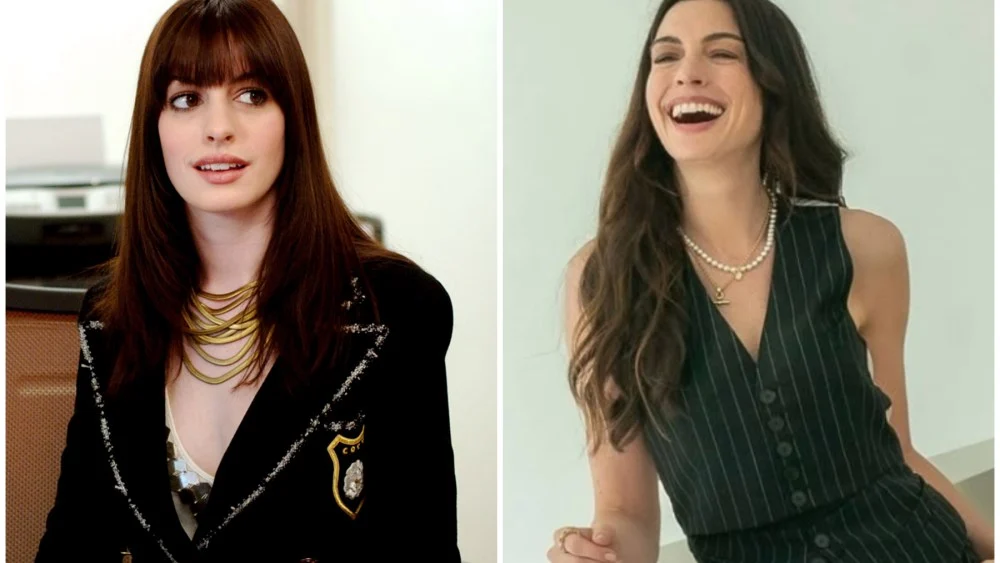
Anne Hathaway as Andy Sachs side by side in the original movie and the sequel
Not similar. Not “great for her age.” Identical.
And just like that, the timelines filled with comparisons, compliments and yes, the inevitable speculation.
Has she had work done? If so, what? And how is it this subtle?
But here’s where it gets interesting.
Because according to leading aesthetic expert Dr Rupert Critchley, founder of Viva Skin Clinics, the reality is far less dramatic than the internet would have you believe.
“It’s important to note that without direct knowledge of any individual’s treatment history, we can only comment in general terms,” he explains. “That said, there are clear patterns in how these kinds of refreshed, youthful results are typically achieved.”
Translation? This isn’t transformation. It’s maintenance.
The Anne Effect: When Less Is Everything
What Hathaway represents is the gold standard of modern aesthetics: prevention over correction.
Think high-grade skincare. Skin boosters. Treatments that stimulate collagen quietly, over time. The kind of interventions that don’t change your face, they just slow the clock.
“This kind of result can be consistent with high-quality skincare, polynucleotides, and collagen-stimulating treatments including bio-stimulator injectables,” says Dr Critchley. “Any use of anti-wrinkle treatments or filler is likely to be very conservative, aimed at maintaining natural expression rather than changing appearance.”
In other words, if you’re looking for obvious signs, you’ve already missed the point.
And standing alongside her, Meryl Streep offers the perfect counterpoint.
Still elegant. Still expressive. But with a very different approach.
“Meryl Streep represents a more natural, age-appropriate aesthetic, where expression is preserved,” says Dr Critchley. “This kind of look is often linked to a focus on skin health, with minimal or selective use of injectables and occasional low-intensity or biostimulatory treatments.”
Two women. Two approaches. Neither extreme.
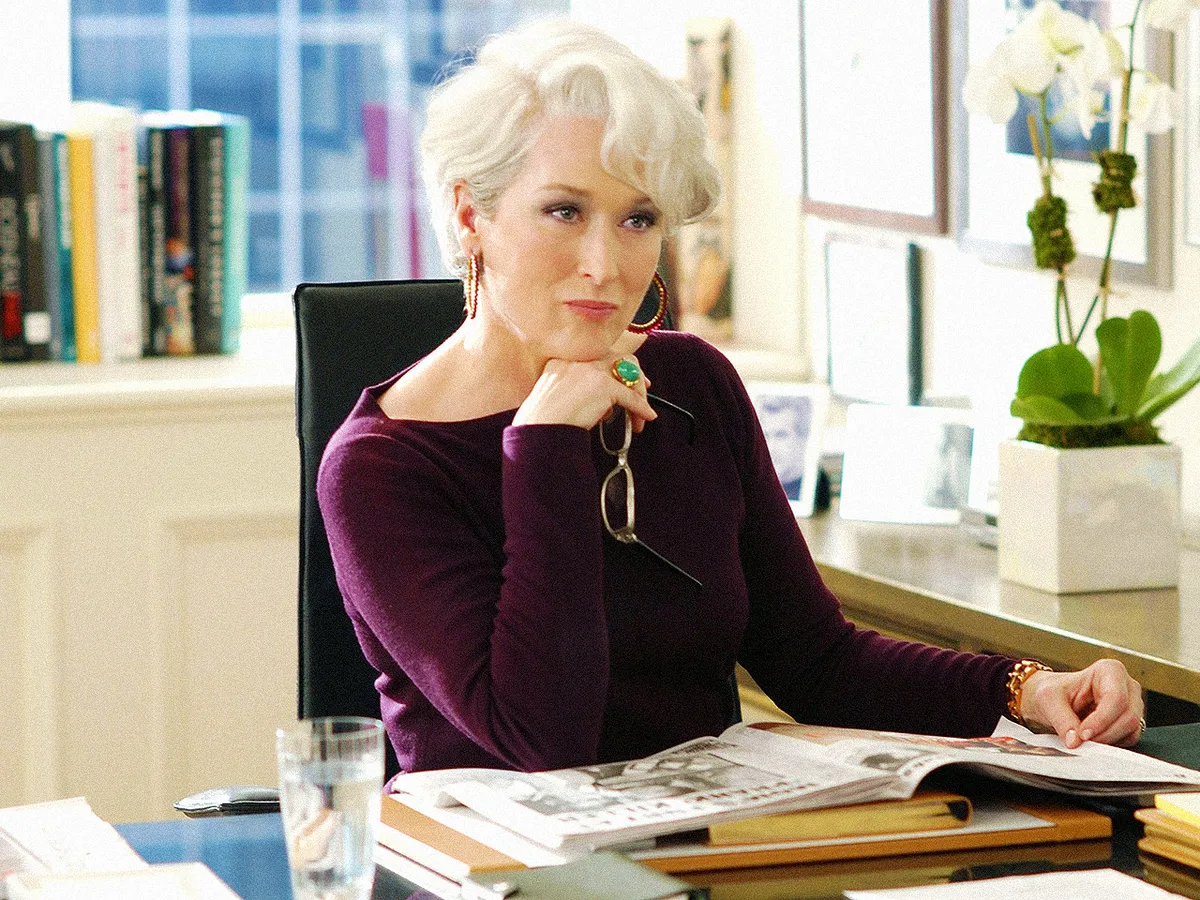
Meryl Streep as Miranda Priestly in the original film
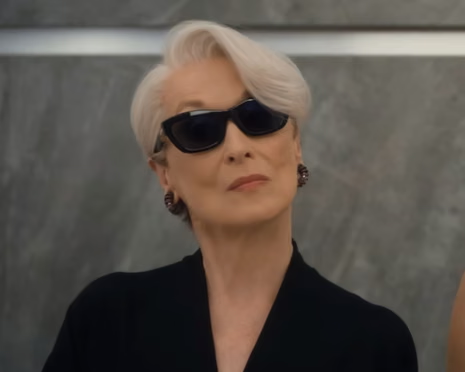
Meryl in the Devil Wears Prada 2
The Real Story Hollywood Doesn’t Spell Out
Because the biggest shift in beauty right now isn’t about doing more.
It’s about doing just enough and doing it early.
“The overarching trend is a move toward subtle, cumulative treatments, increasingly including biostimulators, where the goal is to maintain skin quality and structure over time rather than create obvious change,” Dr Critchley explains.
“The best results are those that are hardest to detect, where someone simply looks well-rested and healthy.”
Which is exactly why Hathaway has sparked this reaction.
It’s not that she looks “unchanged.” It’s that there’s nothing obvious to point to.
No Giveaway Signs
No sharp angles. No frozen expressions. No giveaway signs.
Just good skin. Soft structure. And the kind of glow that makes people do a double take.
Invisible work, in an industry that used to shout about it.
And maybe that’s the real takeaway from this red carpet moment.
Not that ageing has been defied.
But that, increasingly, it’s being managed so quietly and you’re not supposed to notice at all.







