
Anxiety self-help is often the first step people take when they begin looking for support. The internet offers an abundance of advice, techniques and self-help resources. Some are helpful. Others are vague or inconsistent. Before applying any strategy, it is important to understand what anxiety is, how it functions psychologically, and why certain approaches are more effective than others.
A structured understanding reduces confusion. It also prevents the common cycle of trying multiple techniques briefly, abandoning them and concluding that “nothing works”.
This article outlines the fundamentals of anxiety self-help, grounded in clinical psychology and evidence-based therapeutic approaches. It is relevant both to individuals seeking support and to professionals guiding others toward reliable psychology resources.
What Anxiety Actually Is
Anxiety is a normal human response to perceived threat. It activates the body’s fight-or-flight system, increasing heart rate, sharpening attention and preparing for action. In appropriate situations, this response is adaptive.
Difficulties arise when the threat system becomes hypersensitive. Everyday situations begin to trigger intense physiological arousal and catastrophic thinking. Avoidance behaviours increase. Confidence decreases.
From a clinical psychology perspective, anxiety is typically maintained by the interaction of three core elements:
- Unhelpful thinking patterns
- Heightened physical arousal
- Avoidance or safety behaviours
Evidence-based therapy models, such as cognitive-behavioural therapy (CBT), focus on interrupting this cycle. Effective anxiety self-help follows the same principles.
Understanding this foundation prevents self-help efforts from becoming random or reactive.
Anxiety Self-Help Starts with Regulation, Not Reassurance
A common mistake in anxiety self-help is attempting to “think your way out” of distress while the body remains highly activated. When the nervous system is in threat mode, reasoning becomes less flexible.
Most therapeutic approaches begin with regulation.
Slow, controlled breathing, particularly extending the exhale, can reduce physiological arousal. Grounding exercises that focus attention on the present moment interrupt spiralling predictions. Brief physical movement can also discharge excess tension.
These strategies are not distractions. They are structured responses informed by how the autonomic nervous system functions.
Professionals often introduce these techniques early in therapy because regulation increases capacity for deeper work. Individuals using self-help resources independently should follow the same sequence: stabilise first, analyse second.
Without regulation, cognitive strategies may feel ineffective.
Understanding Thought Patterns
Once arousal has reduced, anxiety self-help can shift toward examining thinking patterns.
Anxiety frequently involves automatic thoughts that predict worst-case outcomes. These thoughts feel convincing because they are rapid and emotionally charged.
Psychology resources grounded in CBT often include structured exercises that guide individuals to:
- Identify the triggering situation
- Notice the automatic thought
- Evaluate the evidence supporting and challenging that thought
- Develop a more balanced perspective
This process is not about forced positivity. It is about improving accuracy.
When thoughts remain unexamined, they often appear absolute. Writing them down introduces psychological distance. That distance reduces emotional intensity.
For therapists and counsellors, structured reflection strengthens cognitive skill development. For individuals engaging in anxiety self-help, similar structured methods provide clarity and direction.
The Role of Behaviour in Maintaining Anxiety
Anxiety is not sustained by thoughts alone. Behaviour plays a central role.
Avoidance provides immediate relief. However, it prevents corrective learning. When situations are consistently avoided, the brain never has the opportunity to update its threat prediction.
Exposure-based strategies, widely supported in evidence-based therapy literature, involve gradual re-engagement with feared situations. The emphasis is on manageable steps rather than overwhelming confrontation.
In practical terms, anxiety self-help might involve identifying one avoided task and breaking it into smaller components. Repeated engagement builds tolerance and reduces anticipatory fear.
Behavioural change often precedes emotional change. Action modifies belief.
This principle is central across many therapeutic approaches and should underpin any structured self-help plan.
Choosing Reliable Self-Help Resources
The quality of self-help resources varies significantly. Reliable psychology resources share certain characteristics.
They are grounded in recognised therapeutic models. They provide clear structure. They avoid exaggerated claims. They acknowledge the limits of independent work.
When evaluating anxiety self-help materials, consider whether they:
- Reference established psychological principles
- Offer step-by-step guidance
- Encourage gradual, realistic change
- Advise seeking professional support when necessary
Resources lacking structure or promising rapid transformation may undermine trust and consistency.
Mental health support should be measured and evidence-informed. Responsible guidance builds confidence rather than dependency.
When Professional Support Is Appropriate
Anxiety self-help can be effective, particularly for mild to moderate symptoms. However, persistent panic attacks, intrusive thoughts, significant functional impairment or escalating avoidance may require structured psychological therapy.
Clinical psychology services offer comprehensive assessment and individualised formulation. Therapists and other mental health professionals can tailor interventions to specific patterns rather than applying general strategies.
Seeking therapy does not invalidate self-help efforts. In many cases, structured therapy complements independent practice.
Balanced mental health messaging recognises both empowerment and limits.
Building a Sustainable Approach
Before beginning anxiety self-help, clarity is essential. The goal is not to eliminate anxiety completely. It is to reduce reactivity, increase flexibility and restore confidence.
A sustainable foundation typically includes:
- Regular regulation practice
- Structured cognitive reflection
- Gradual behavioural engagement
Consistency is more important than intensity. Brief, repeated practice produces more durable change than occasional effort.
For professionals guiding clients, encouraging structured use of psychology resources enhances therapeutic continuity. For individuals working independently, written structure increases adherence and accountability.
From Basics to Progress
Understanding the basics of anxiety self-help prevents unnecessary frustration. Regulation prepares the nervous system. Structured reflection improves cognitive accuracy. Gradual behavioural change builds tolerance.
These principles are grounded in clinical psychology and supported by evidence-based therapy research. They form the backbone of many therapeutic approaches used by mental health professionals.
Self-help is most effective when it mirrors sound psychological practice. Clear structure, realistic expectations and steady repetition create meaningful progress over time.
Beginning with the basics does not mean thinking small. It means building change on stable foundations.
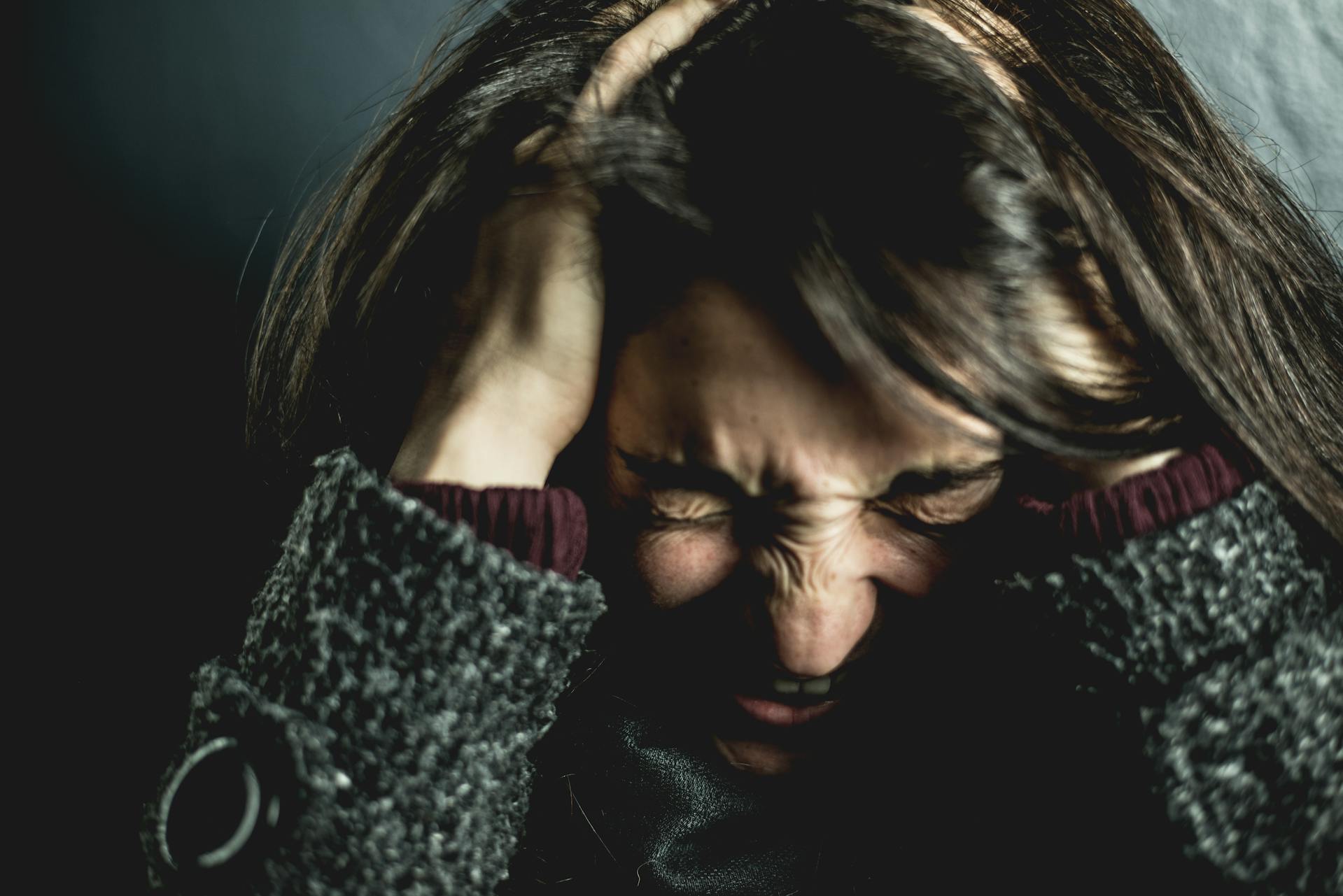
Feature image by David Garrison on Pexels