

Key Takeaways
- London families can save £80-£120 monthly by growing their own fresh produce in urban greenhouses
- Small greenhouse gardening extends growing seasons year-round, providing food security during uncertain times
- Mini, small, and lean-to greenhouses maximise limited London space while creating thriving microclimates
- Greenhouse growing builds community connections across all ages and backgrounds in multicultural London
- Simple greenhouse setups require minimal investment but deliver organic food and substantial cost savings
Rising Food Costs Push London Families Towards Self-Sufficiency
When Sarah from Clapham opened her grocery receipt last month, she nearly choked on her coffee. £127 for what used to cost £80 just two years ago. Sound familiar? You’re not alone if you’ve been watching your weekly shop creep ever upwards whilst your payslip stays stubbornly the same.
That’s exactly why families across London are rediscovering something their grandparents knew well – growing your own food makes perfect financial sense. But today’s Londoners aren’t digging up victory gardens. They’re getting clever with compact greenhouses that fit modern city life.
The numbers speak for themselves. Research shows that urban gardeners can save significant amounts on monthly grocery bills, with greenhouse growers typically saving between £80-£120 monthly on fresh produce. When you’re already spending £400+ monthly on groceries, that’s real money back in your pocket.
Here’s what really gets people excited about greenhouse growing: predictability. You know that feeling when you pop to Tesco for salad and walk out £15 poorer? With a greenhouse, you’re picking fresh leaves for pennies. January tomatoes? No problem. Fresh herbs that don’t cost £2.50 for a tiny packet? Sorted.
Unlike trying to grow outdoors (and battling whatever weather London throws at you), a greenhouse creates your own little climate bubble where you call the shots. Rain or shine, your dinner’s growing happily.
Creating Community Gardens That Welcome Everyone
What happens when you put a 7-year-old next to a 70-year-old in a greenhouse? Magic, honestly. The kid’s teaching the pensioner about TikTok whilst learning about companion planting. Age gaps vanish when everyone’s excited about their first tomato harvest.
London’s greenhouse community is brilliantly diverse. You’ll find retired teachers working alongside busy parents, students, and couples from every background imaginable. What unites everyone? The shared thrill of watching seeds turn into Sunday lunch.
Community greenhouse projects actively welcome everyone – LGBTQ+ families, elderly residents who’ve been gardening since before decimal currency, young professionals who’ve never grown anything bigger than their Instagram following. It works because the rules are simple: be nice to the plants, be nice to each other, and share what you learn.
Take the approach used by Urban Growth London – they’ve cracked the code on bringing different groups together through gardening. Turns out, when you’re all puzzling over why your courgettes have gone mad, differences don’t matter much.
Parents love greenhouse gardening because it gets kids off screens and teaches them patience (good luck with that one, but it works). Elderly members bring decades of knowledge whilst getting gentle exercise and new friends. Young adults find it surprisingly therapeutic and discover they can actually keep something alive.
The best bit? These friendships spill over into real life. Neighbours who’ve never spoken suddenly bond over sharing spare seedlings or comparing notes on pest problems. Before you know it, you’ve got a proper community support network – invaluable when life gets tough.
Maximising Limited London Space with Smart Greenhouse Choices
Let’s be honest – most London homes have outdoor space the size of a postage stamp. But that doesn’t mean you can’t grow seriously impressive amounts of food. Modern greenhouse designs work miracles with limited space.
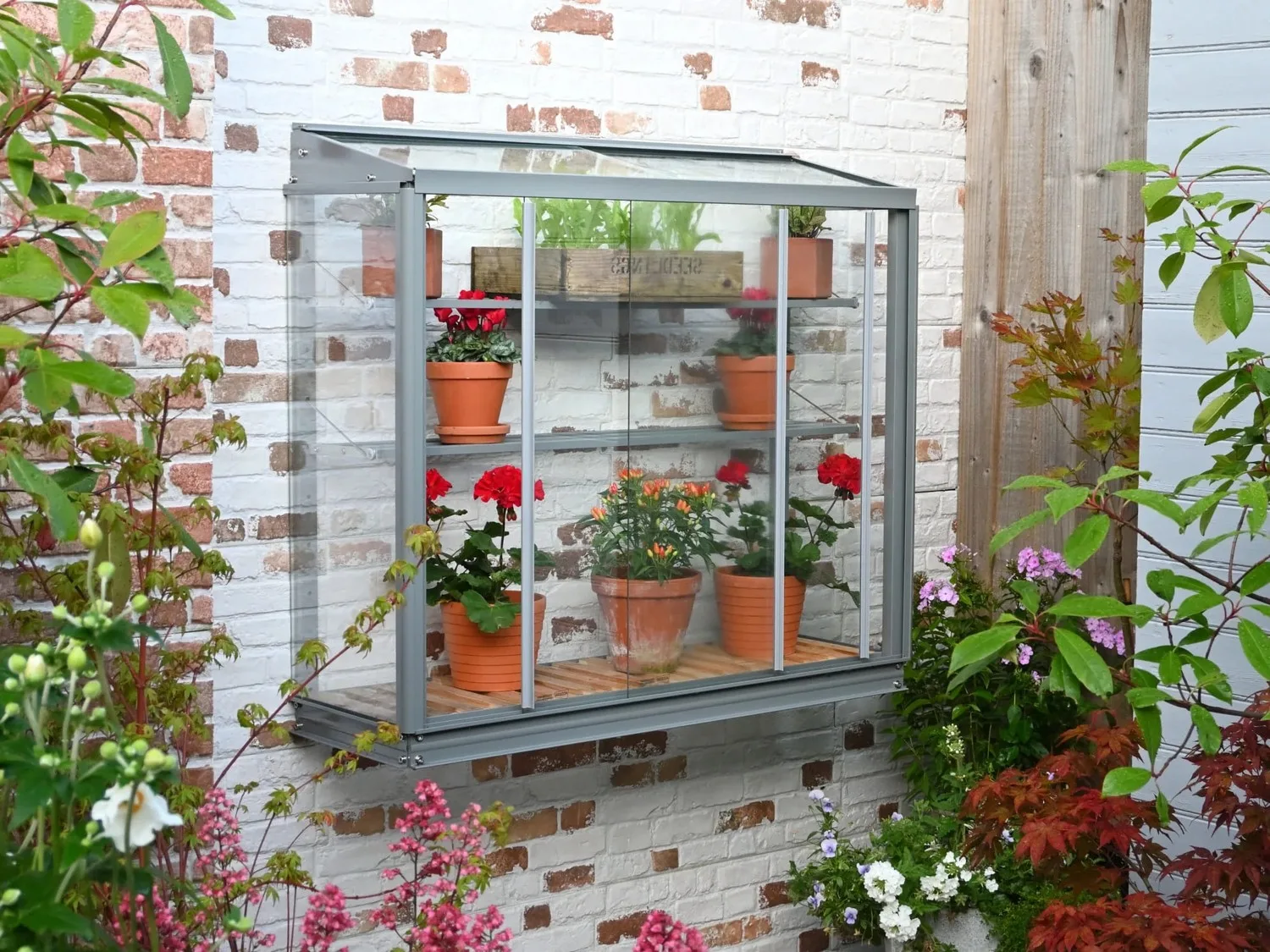
Mini greenhouses are perfect for tiny balconies and postage-stamp patios. We’re talking structures just 2ft x 4ft that can accommodate surprising amounts of produce when you think vertically. One clever gardener in Bermondsey grew cucumbers, courgettes, spinach, beans, tomatoes, and rocket in a 4ft x 2ft space – enough variety to properly supplement the weekly shop.
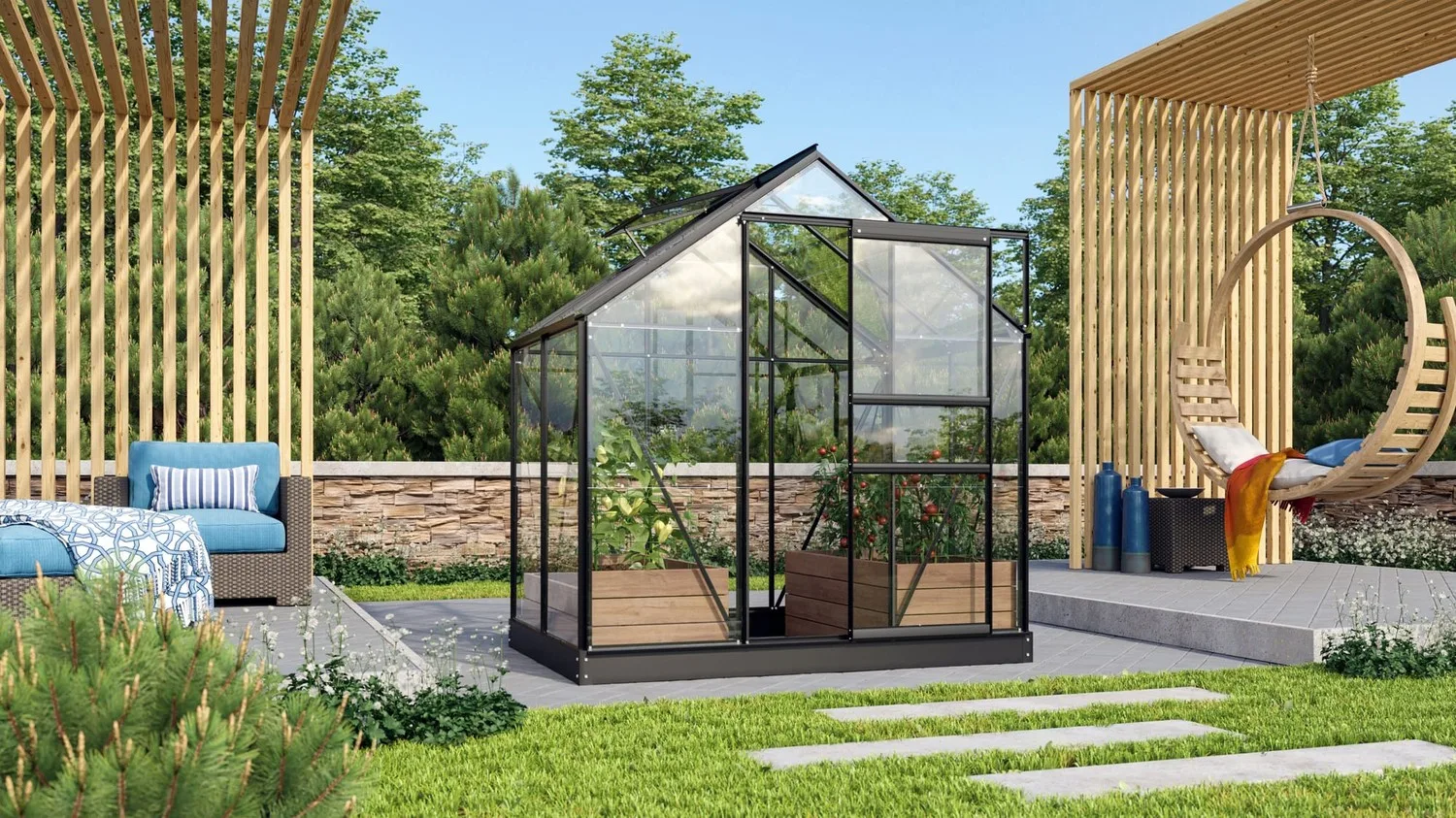
Small greenhouses (around 6ft x 4ft to 8ft x 6ft) hit the sweet spot for serious growing without taking over your entire garden. There’s room to move around, store your bits and bobs, and rotate crops properly throughout the season.
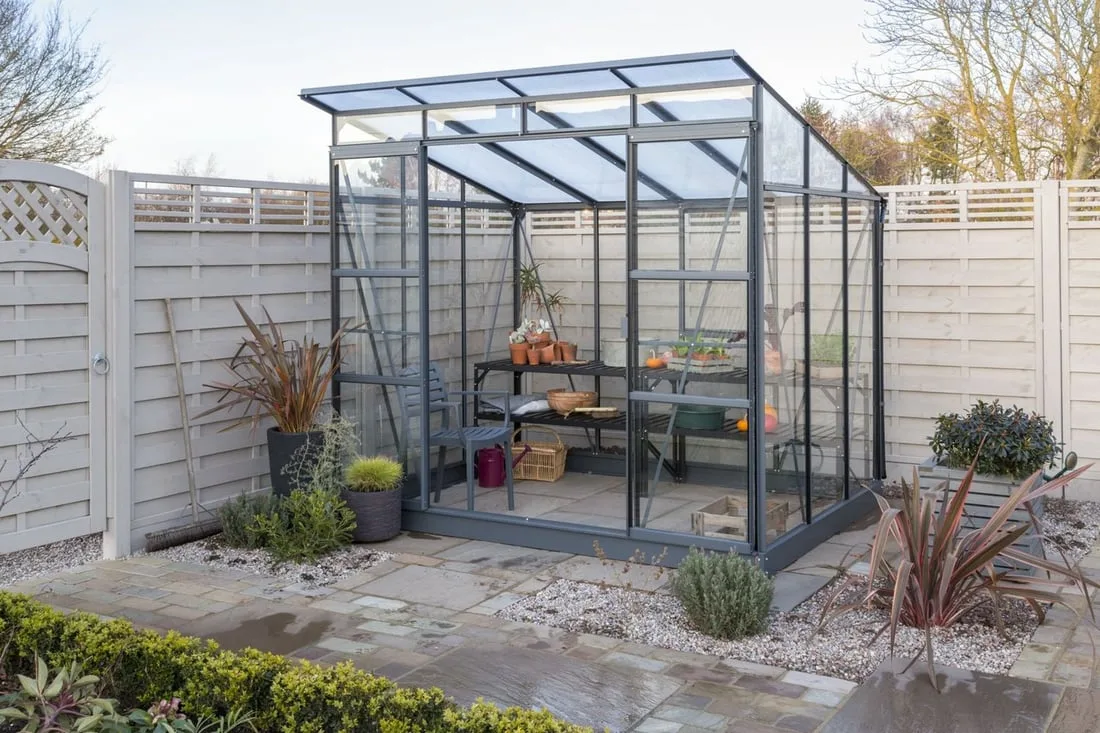
Lean-to greenhouses are genius for London homes. By attaching to your house wall, garage, or shed, they maximise growing space while minimising footprint). The shared wall gives you stability, reflects heat back (brilliant for winter growing), and usually means easier access to power and water.
The secret sauce? Think upwards, not outwards. Adjustable shelving lets you accommodate everything from tiny seedlings to sprawling tomato plants. Multiple levels turn even the smallest greenhouse into a proper food factory.
Food Security Through Four-Season Growing
Remember the panic buying during lockdown? Or when the Suez Canal got blocked and suddenly shelves looked a bit bare? Those moments highlight just how fragile our food supply can be. Greenhouse growing gives you a buffer against that uncertainty.
Research on urban agriculture) shows that well-managed greenhouse systems keep producing all year round. Whilst outdoor growing in London typically runs March to October, greenhouse growing means fresh food every month.
Winter growing is where greenhouses really shine. Fresh salad leaves, herbs, microgreens, even cherry tomatoes can thrive in a heated greenhouse whilst supermarket prices go bonkers during cold snaps. Harvesting fresh veg in January feels like proper wizardry.
Greenhouse environments also protect against the disasters that can wipe out outdoor crops. When blight hits outdoor tomatoes or slugs demolish your lettuce, greenhouse plants keep on trucking. It’s like having insurance for your dinner.
The benefits reach beyond your own kitchen too. Community greenhouse projects bring fresh food to areas where corner shops mainly stock crisps and energy drinks. These local growing schemes reduce dependence on long supply chains and create resilient food networks right in your neighbourhood.
Economic Benefits That Add Up Quickly
Let’s talk money – the fun kind where you save it instead of spending it. Initial greenhouse investment runs from about £200-£800 depending on size and spec, but you’ll earn that back through grocery savings within the first year. Sometimes faster.
Take herbs – the supermarket’s biggest con. A tiny basil plant costs £1.50 and lasts maybe a week if you’re lucky. Grow basil in your greenhouse and you’re harvesting for months from a 50p seed packet. Same story with coriander, rocket, parsley – expensive to buy, dirt cheap to grow.
Vegetables make the savings even more impressive. One cherry tomato plant yields 2-3kg over a season – that’s £15-20 worth of shop tomatoes from one plant. Get 6-8 plants in a small greenhouse and you’re laughing all the way to the bank (or at least to the salad bowl).
The Royal Borough of Kensington and Chelsea research backs this up – community gardeners typically save £80-120 monthly. With London’s bonkers food prices, greenhouse growers often save even more.
Plus, greenhouse growing gives you inflation protection. Whilst shop prices bounce around like a ping-pong ball, your growing costs stay fairly stable. Seeds, compost, and basic supplies creep up gently compared to the wild price swings hitting fresh produce.
Organic Growing Without Premium Prices
Organic vegetables in London shops cost an arm and a leg. £3 for organic rocket that’ll wilt by Tuesday? No thanks. Greenhouse growing lets you produce genuinely organic food at normal-food prices.
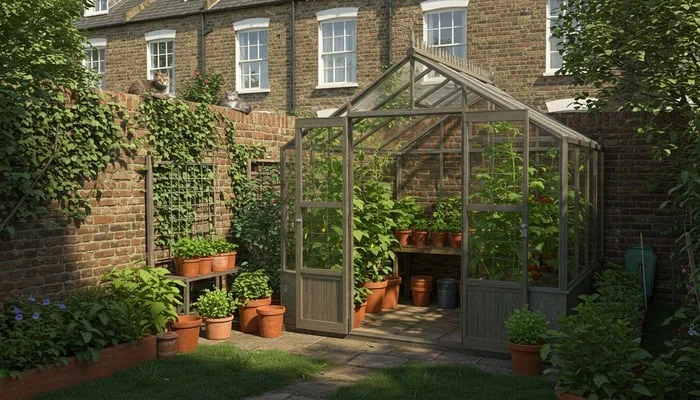
Controlled greenhouse environments naturally reduce pest problems. Companion planting, encouraging beneficial insects, and proper ventilation handle most issues that would need treatment outdoors. When you do need to intervene, organic solutions work better in the contained environment.
You control exactly what goes into your growing medium – organic compost, worm castings, whatever amendments you choose. This means optimal nutrition for your plants and ultimately your family’s dinner table.
The freshness factor is huge too. Shop vegetables lose vitamins and minerals quickly after harvest, but greenhouse produce can go from plant to plate in minutes. That’s proper nutrition compared to veg that’s travelled hundreds of miles and sat around for days.
Water management in greenhouses also supports organic principles. Drip irrigation and careful watering reduce waste whilst preventing the fungal diseases that love soggy outdoor conditions. Healthier plants naturally resist pests and diseases.
Building Skills That Last Generations
Greenhouse gardening teaches you stuff that’s useful for life. Kids who learn to tend plants develop patience (miracle!), responsibility, and understanding of how nature works. Adults get problem-solving skills, stress relief, and connection to food production that benefits both body and mind.
The learning curve’s gentler than outdoor gardening because controlled conditions give more predictable results. Beginners can master basics without weather variables messing things up. Success builds confidence which leads to more experimentation and learning.
Technical skills from greenhouse management transfer surprisingly well to other areas. Understanding temperature control, ventilation, plant nutrition, and pest management gives you practical knowledge that applies to loads of situations. Plus you get better at diagnosing and solving problems.
Community greenhouse settings are brilliant for knowledge sharing. Experienced growers love helping newcomers, creating mentoring relationships that extend well beyond gardening. These social networks support community resilience in all sorts of ways.
The therapeutic benefits have been documented extensively – regular gardening activities improve mental health across all age groups. The combination of physical activity, nature connection, and purposeful work provides natural stress relief. Better than scrolling social media, anyway.
Getting Started: Your London Greenhouse Journey
Starting your greenhouse journey needs planning but not perfection. Begin with clear goals – are you aiming to supplement salads, grow cooking herbs, or create a family learning project? Knowing your ‘why’ helps with everything else.
Location matters massively. South-facing spots capture maximum winter sunlight, whilst west-facing works well for afternoon sun. Lean-to greenhouses benefit from positioning against warm walls that store and release heat during cooler periods.
Size considerations should balance available space with growing ambitions. You can always expand or upgrade later, but starting with something that fits your current situation ensures immediate success and enjoyment.
Greenhouse Stores offers comprehensive guidance for first-timers, helping match specifications to individual needs and budgets. Their installation services remove the intimidation factor that stops some people getting started.
Budget planning should include the structure, base preparation, staging or shelving, basic tools, and initial supplies like compost and seeds. Spreading costs over several months makes the investment more manageable whilst giving you time to research properly.
Start with easy-to-grow crops that provide quick satisfaction and useful harvests. Salad leaves, herbs, radishes, and bush tomatoes offer reliable results for beginners whilst providing immediate value to your kitchen and budget.
Frequently Asked Questions
How much money can I really save with a small greenhouse in London? Urban greenhouse growers typically save £80-120 monthly on fresh produce. In London’s expensive food environment, savings often exceed £100 monthly for families actively growing salads, herbs, and vegetables year-round.
What’s the best greenhouse type for a small London garden? Lean-to greenhouses maximise growing space whilst minimising garden footprint. They use existing walls for support and heat retention, making them ideal for typical London properties with limited outdoor space.
Can I grow food year-round in an unheated London greenhouse? Yes, many crops thrive in unheated greenhouses through London winters. Salad leaves, herbs, microgreens, and cold-tolerant vegetables provide fresh harvests even during the coldest months, though a small heater extends growing options significantly.
Is greenhouse gardening suitable for families with young children? Greenhouse gardening is excellent for families, providing controlled environments where children can learn safely. The protected space eliminates many outdoor gardening hazards whilst creating engaging learning opportunities that develop responsibility and patience.
How long does a greenhouse last in London’s climate? Quality aluminium-framed greenhouses with proper maintenance last 15-25 years in London conditions. Many manufacturers offer substantial warranties, and robust construction handles British weather patterns effectively when properly installed.
What crops provide the best value for money in a small greenhouse? Herbs, salad leaves, cherry tomatoes, and chillies offer excellent returns on investment. These crops command high retail prices but grow easily in small spaces, providing maximum financial benefit from limited growing area.







