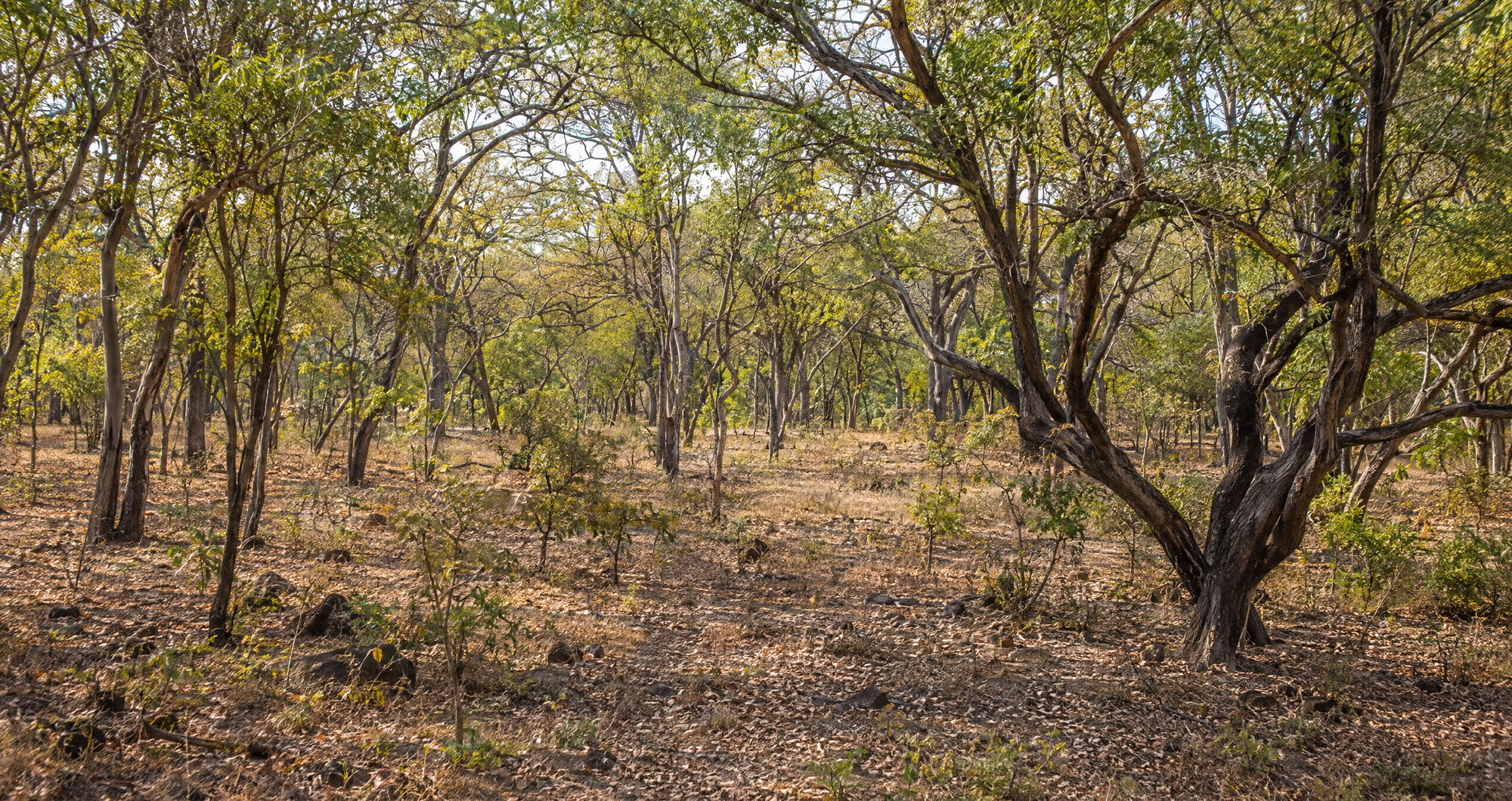

Bolivia and the forest finance organisation Emergent have signed a memorandum to explore whether the country’s forest conservation projects can access international carbon markets, beginning with a pilot in the Indigenous territory of Charagua Iyambae.
The agreement was signed on 15 November at the COP31 climate conference in Antalya, Türkiye, by Bolivia’s minister of sustainable production, environment and water, Óscar Mario Justiniano, and Emergent’s chief executive, Eron Bloomgarden.
It begins a phase of technical assessment rather than announcing a completed carbon-credit sale. The public announcement did not report a guaranteed sale or revenue, or specify a credit price, number of credits or purchase timetable.
Authorities and captains from the Indigenous autonomous government of Charagua Iyambae attended the signing. The pilot is in Bolivia’s Santa Cruz department, where the Guaraní Indigenous government manages a territory in the Gran Chaco.
An existing project, a new memorandum
Bolivia’s government has been developing the forest initiative with the Indigenous authorities. Before the signing, it said the programme was being pursued under an international forest-carbon standard known as ART TREES 3.0. Describing a planned standard is not the same as showing that credits have been issued.
As of 14 November, the initiative was described as being in a stage of free, prior and informed consultation. The attendance of Indigenous leaders at a signing does not, on its own, establish that consultation has finished or that every person affected has consented.
The relationship with Emergent also has an earlier history. In 2023, an initial Bolivian proposal covering Charagua and the northern department of Pando passed an eligibility assessment under an international forest-finance initiative coordinated by Emergent. That opened the way for discussions about a possible purchase agreement; the assessment was not itself a binding sale.
A separate five-year forest-protection initiative launched in July 2026 was backed by a €15 million contribution from Germany through its development bank KfW. It covers work in Charagua and Pando as well as national systems for accessing climate finance. That earlier contribution should not be counted as new funding committed by the November memorandum.
How forest carbon finance works
Forests absorb carbon dioxide from the atmosphere, while clearing or damaging them can release greenhouse gases. A framework known as REDD+ seeks to reduce emissions from deforestation and forest degradation and supports conservation and sustainable forest management.
Under such approaches, countries can seek finance linked to measured results. A carbon credit generally represents one tonne of carbon dioxide equivalent reduced or removed. A buyer may acquire a credit, but the climate value of that credit depends on the underlying activity and how the buyer uses it.
Assessing a forest programme involves setting a reference for forest change, measuring what happens and checking the results. Important questions include whether the reduction would have happened without the incentive, whether it will last if the forest faces fires or other damage, and whether the same reduction is counted more than once.
Those are general considerations for credible forest credits. The signing announcement does not establish that the Charagua programme has completed every assessment or met every requirement for issuing credits.
Community rights and next steps
The Bolivian government says the proposed work is intended to support forest conservation and bring benefits to communities. Its announcement of the memorandum does not provide a detailed plan for how any future proceeds would be shared.
Carbon finance has also prompted wider debate in Bolivia about Indigenous autonomy, consultation and control over benefits. At a September meeting in Santa Cruz, Indigenous representatives and specialists called for transparent arrangements and meaningful consultation on projects affecting their territories. Those concerns relate to carbon projects more broadly and do not establish wrongdoing in the Charagua programme.
For the new memorandum, the next steps are technical assessment and preparation. Whether a market transaction eventually follows will depend on the project’s development, applicable safeguards and the outcome of any negotiations. A signed framework for examining the opportunity is a step in that process, not evidence that a buyer or income has already been secured.