
Estonia plans to close its road border crossings with Russia from 1 December after eight people were detained over an alleged attempt to set fire to a defence company’s premises near Tallinn.
The proposed measure follows an incident at drone manufacturer Threod Systems in Viimsi in the early hours of Saturday 14 November. Estonia’s internal security service has assessed that Russia’s military intelligence service, the GRU, ordered the attempted attack. That is an assessment by the Estonian authorities, not a finding of guilt against those detained.
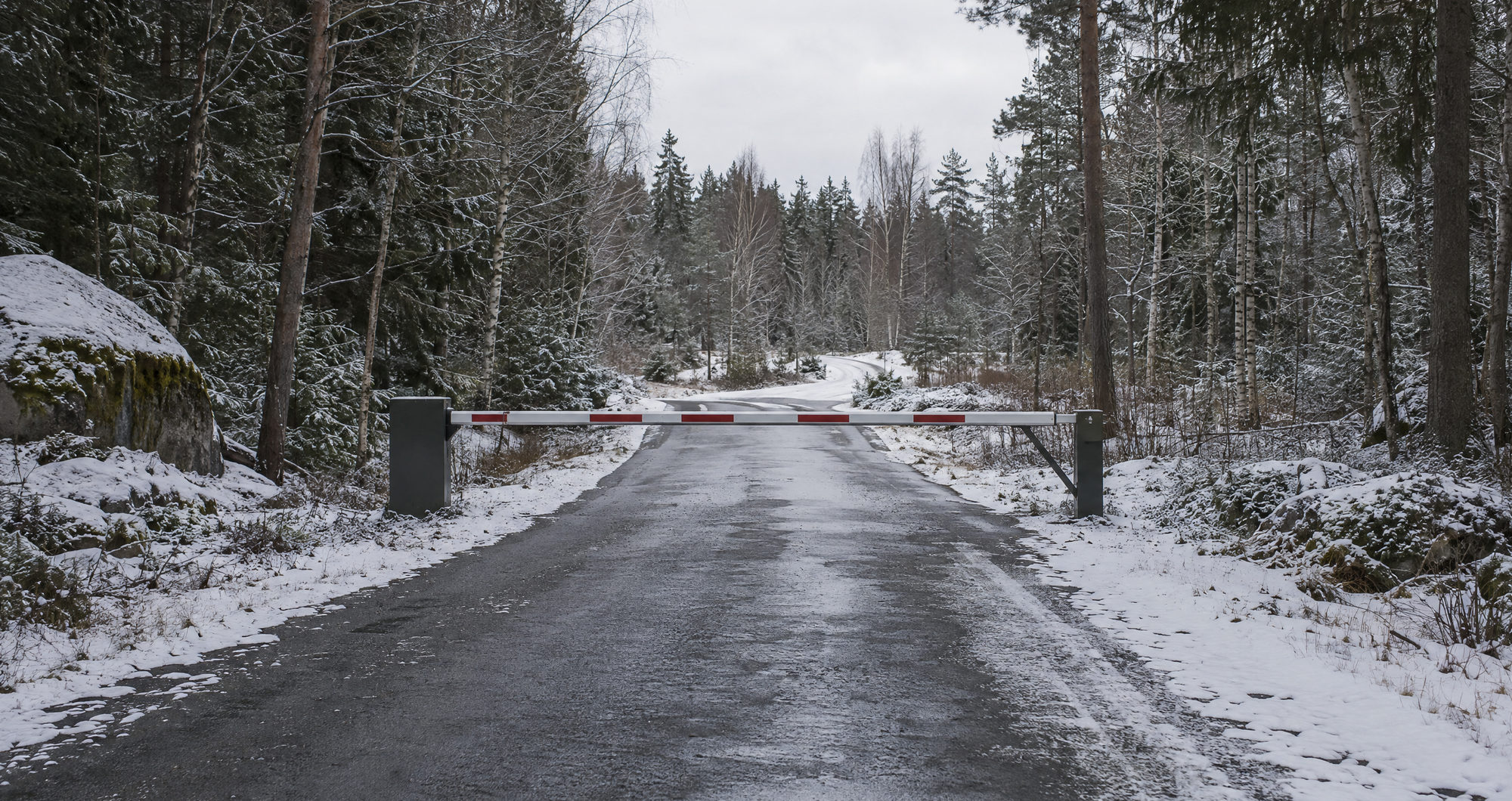
Road crossings set to close
Foreign Minister Margus Tsahkna announced the planned 1 December start on Sunday 15 November. The intended closure concerns Estonia’s three open road crossings with Russia: Narva in the north and Koidula and Luhamaa in the south. Estonia’s border police list Narva as a pedestrian crossing; the southern crossings also handle vehicles and freight.
Interior Minister Igor Taro said he would propose closing the road crossings to pedestrians and vehicles from the beginning of December. The government was due to discuss whether the measure would be temporary or indefinite. The announcement is therefore a plan for a future closure, rather than confirmation that the crossings have already shut.
As of Monday 16 November, the crossing points were listed as open from 7am to 7pm local time. Taro said Estonian residents and truck drivers who had travelled to Russia would be able to return over the following two weeks, warning that the journey home could become longer and more complicated afterwards. Travellers should check current official border information before setting out.
Estonia also has railway crossings with Russia at Narva and Koidula. The announced measure refers to road border crossings; the information available does not establish that railway traffic is included in the plan.
Eight suspects detained
The attempted break-in at the Threod building took place at around 3am on Saturday. Estonian authorities say the people involved intended to cause an explosion and set the building on fire. The company’s security team intervened and the attempted attack was stopped.
No one was injured, and the government said the company’s production and delivery capabilities were unaffected. Threod makes long-range reconnaissance and attack drones.
Estonian internal security officers and police detained eight suspects who are residents of Latvia. Prosecutors have applied to a court to have five of them remanded in custody. An application for remand is not itself a court order, and the investigation is continuing to establish the circumstances, individual roles and any connections to others.
Latvian security officials and prosecutors are assisting the Estonian investigation. The public account does not establish the guilt of any of the people detained.
Security concerns and an earlier case
Prime Minister Kristen Michal said the possibility of closing the border had been discussed with the interior minister, and he asked for the necessary steps to be prepared. He argued that limiting crossings would reduce security risks and send a message about attacks on Estonia’s defence industry.
Tsahkna said the planned restrictions would reduce opportunities for hostile activity and help address risks of sanctions circumvention. He had contacted counterparts in Finland, Latvia and Lithuania and informed colleagues in the European Union about the plan.
A Russian foreign ministry spokeswoman said Moscow would check whether Estonia intended to shut the crossings. She described such a move, if confirmed, as Russophobia. Her comments concerned the proposed border closure and did not establish a response to the specific allegation about the incident at Threod.
The case follows a separate fire at defence company Milrem Robotics in August. In September, Estonia’s internal security service attributed that incident to Russian intelligence services. Russia rejected the allegation concerning the Milrem case. The earlier incident and the investigation at Threod are distinct cases.
Estonia is a member of NATO and the European Union and has supported Ukraine following Russia’s full-scale invasion in 2022. Michal said his government would continue that support while strengthening security and cooperation with businesses and allies.