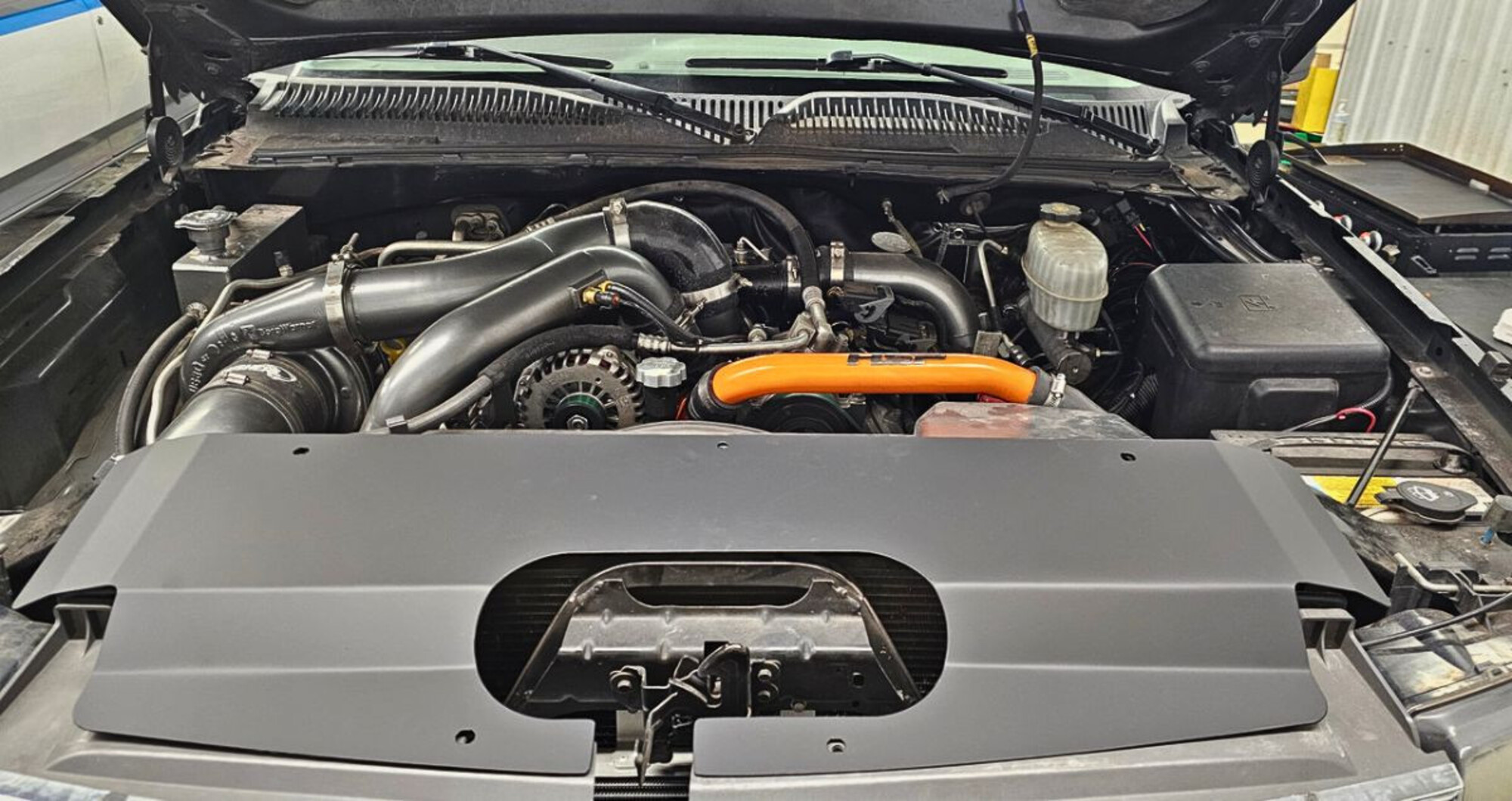

The Case for Diesel Engine Enhancements
Stock diesel engines often pack solid reliability but stumble when immediate torque delivery is demanded. Turbo lag, narrow torque curves, and factory conservative tuning mean untapped potential. Performance upgrades can transform towing capability and sustain high-efficiency output under load. The gains are not theoretical; they are measurable in both pulling power and reduced fuel strain.
Fuel Delivery Upgrades for Diesel Engines
Higher-flow injectors and pumps ensure combustion cycles stay uniform even under heavier fueling demands. Aftermarket injectors range from precision-machined performance units to oversized variants for extreme builds, with rail configurations that dictate flow stability. Compatibility isn’t always plug-and-play. Professional dyno tuning is not optional—it’s the safeguard against mismatch and poor driveability.
Intake and Intercooler Strategies
Cold-air intakes and high-flow filters increase charge density, feeding the cylinders cooler, oxygen-rich air. Bigger intercoolers with efficient core design combat heat soak, keeping intake temps low during sustained boost. Always verify that stock piping clearance and hood space accommodate larger hardware, or you’ll be redesigning more than just airflow.
Exhaust Tuning & Backpressure Management
Backpressure directly influences turbo spool speed and can stack unnecessary stress on the engine. High-flow downpipes, well-engineered mufflers, and properly configured DPF/EGR solutions optimize exhaust evacuation. Legal and emissions boundaries exist, so upgrades must respect them to avoid costly penalties.
Turbochargers & Boost Control Refinements
Factory turbochargers often hit limits far before the fueling and exhaust upgrades are fully leveraged. Billet and journal-bearing designs sustain higher boost without sacrificing longevity. Boost controllers and electronic wastegates stabilize curves, preventing dangerous spikes. Boost levels need to match the supporting mods; anything less risks blowing past reliability margins.
Electronic Tuning & Control Modules
ECU remaps, handheld programmers, and custom calibration services unlock the full potential by refining timing and fueling maps. These adjustments bridge the gap between hardware capability and actual output. Investing in the right diesel performance parts is pointless without matching software precision.
Drivetrain & Transmission Support
Torque increases punish weak drivetrain components. Upgraded clutch packs or torque converters absorb greater loads without slipping. Transmission coolers keep fluid temps in check during prolonged pulls, while reinforced drive shafts meet higher torque demands. When the engine gains muscle, the rest of the system must bulk up too.
Maintaining Enhanced Diesel Systems
Revised maintenance schedules are mandatory under higher loads. Oil, filters, and coolant get consumed faster when pushing power limits. Premium lubricants reduce wear, and regular monitoring via boost gauges or EGT sensors spot trouble before it escalates. Preventive care is cheaper than replacing a blown turbo or seized engine.
Selecting Quality Aftermarket Components
Not all aftermarket parts are worth bolting on. Manufacturer reputation, proven compatibility, and solid technical support define worthwhile buys. Performance specs and user reports from multiple sources cut through marketing noise. Build choices around the vehicle’s intended workload rather than chasing universal “fits-all” parts.
Maximizing Real-World Gains
Power gains only matter if they reach the pavement efficiently. Progressive throttle use, precise gear-shift timing, and careful load distribution squeeze the most out of an upgrade. Staged improvements let you verify performance and reliability before stacking more horsepower. Testing incrementally ensures the build stays intact.
Next Steps for High-Powered Diesel Builds
Fuel delivery, airflow, exhaust efficiency, turbo strength, precise electronics, fortified drivetrain, and disciplined maintenance form the upgrade backbone. Budget and timeline each stage to avoid rushed decisions. The smartest path is deliberate—seek expert installation and explore the next wave of potential enhancements with a clear plan.