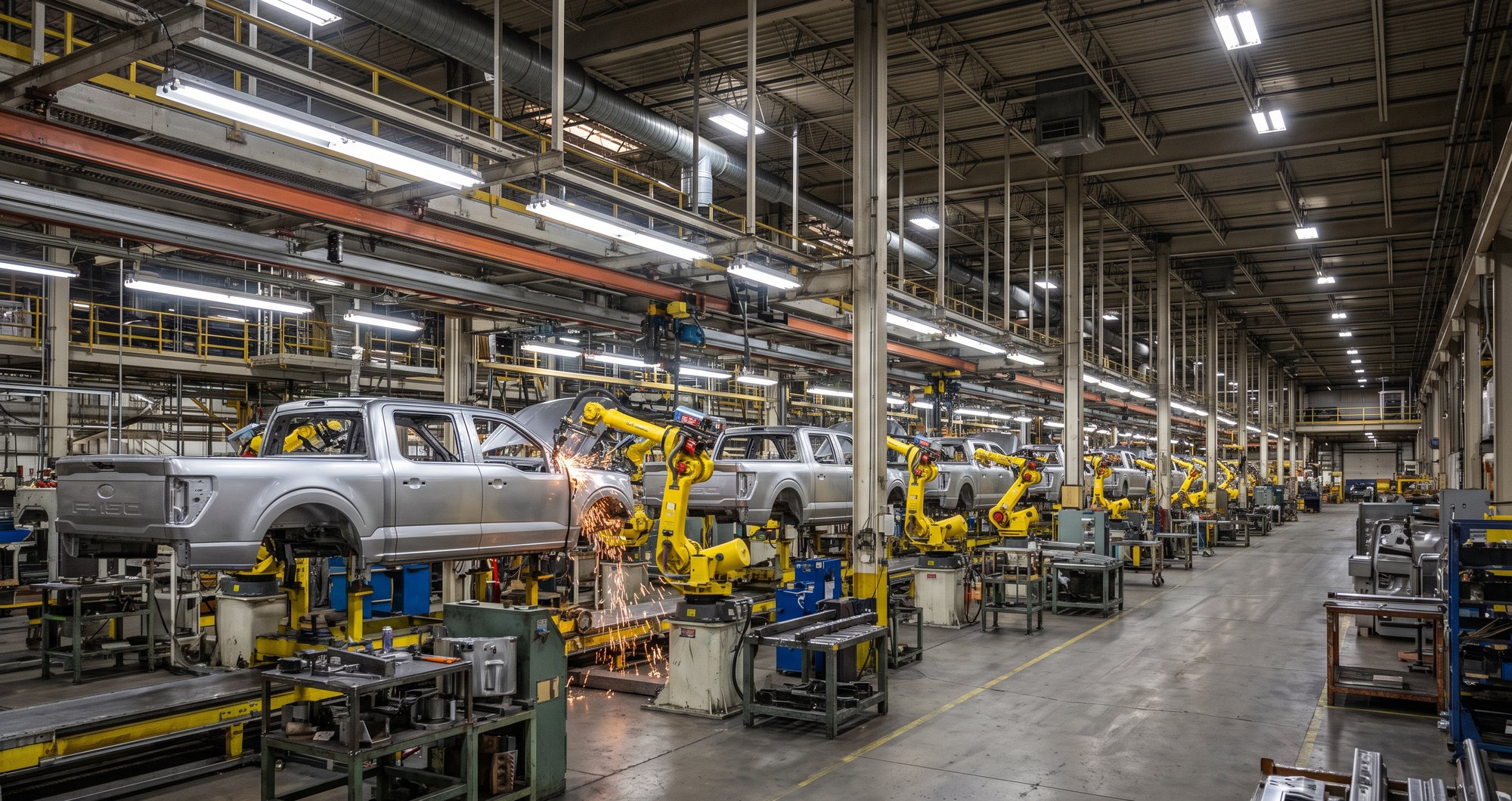

Tesla will end production of its Cybertruck at its Texas facility around mid-2027, the company has signalled. The move marks a notable shift for the electric vehicle maker’s manufacturing footprint in the United States and raises questions about what will replace the high-profile model at the plant.
Immediate implications for the factory and workforce
The decision to stop Cybertruck production at the Texas site will have implications for operations at the complex where the vehicle is currently manufactured. While details such as the precise cut-off date, any staggered wind-down of assembly lines, and plans for affected staff have not been disclosed in full, the announcement will put a spotlight on the company’s next steps for the site.
Ending production of a single model at a major plant generally requires reconfiguration of assembly lines, retraining of teams and adjustments to supplier arrangements. Such transitions can take months or years to complete, depending on whether the facility will switch to another model, be partially mothballed, or undergo more substantial redevelopment.
Supply chain and market considerations
Stopping production of a high-profile vehicle like the Cybertruck at a prominent site may also have broader supply-chain consequences. Suppliers that deliver specific components for the model will need to adapt to changes in demand and timing, and logistics routes may be altered. The extent of these impacts will depend on how the company manages the wind-down and whether production is relocated elsewhere.
From a market perspective, the removal of a model from a particular plant is likely to prompt commentary about the company’s product strategy, manufacturing priorities and allocation of investment. However, concrete effects on sales, ordering or customer deliveries are contingent on future announcements about where and how the model will be built going forward, if at all.
Regional economic effects
The plant’s position within its regional economy means the production change could have local economic consequences. Large vehicle factories are often significant employers and hubs for ancillary businesses such as parts suppliers, logistics providers and service firms. Local authorities and business groups will be watching closely for further information about the timeline and any mitigation measures.
At the same time, industrial sites of this scale can be repurposed or upgraded for new models or technologies, opening alternative opportunities for employment and investment. Much will depend on corporate decisions yet to be announced and on the responses of regional stakeholders.
Uncertainties and next steps
Key uncertainties remain. Among them are firm dates for halting assembly, whether any production will be moved to another plant, the future of the model within the company’s broader line-up, and details of any employee transition plans. Until such information is provided, analysis is limited to the operational and economic implications of an announced end to production around mid-2027.
The announcement sets a clear milestone: around mid-2027 is the stated timeframe for ending Cybertruck production at the Texas facility. How the company and its partners manage the period leading up to that point will determine the short- and medium-term impacts for workers, suppliers and the region that hosts the plant.