
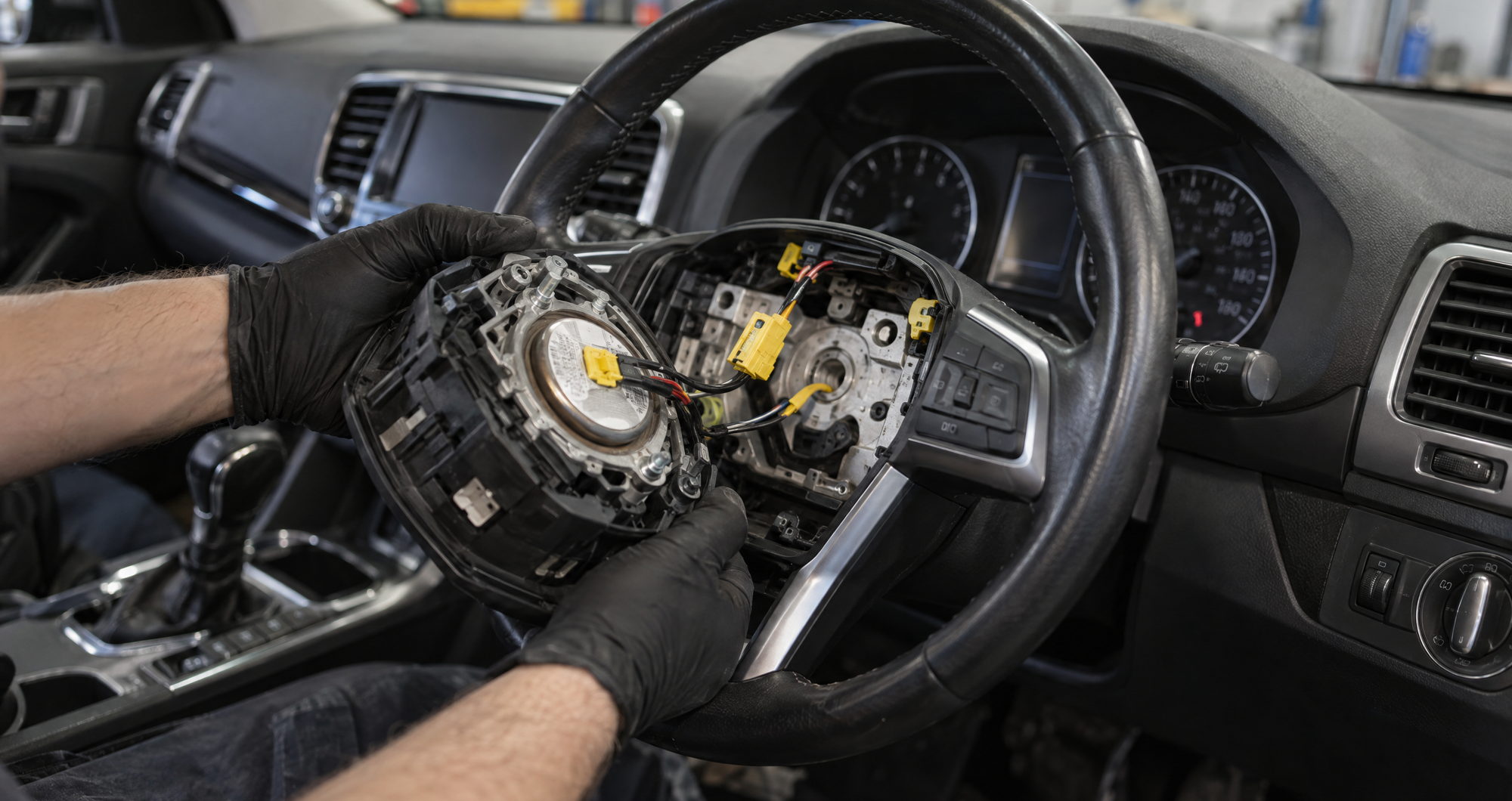

Vauxhall has issued a stop-drive notice covering up to 82,000 cars in the UK whose Takata airbag inflators have not been replaced, telling owners not to use the vehicles until a free repair has been carried out.
The escalation follows repeated letters to registered keepers that failed to produce enough repairs. It is one of the largest stop-drive notices ever issued by a UK car brand.
Which cars are affected
The notice covers five model lines built between 2005 and 2018: the Astra H, produced from 2005 to 2013; the Astravan H, from 2005 to 2013; the Astra TwinTop, from 2005 to 2012; the Vectra, from 2005 to 2008; and the Signum, from 2005 to 2008.
Owners are told to stop driving as soon as they receive the notice and to contact an authorised retailer to arrange a free repair. They are permitted to drive only directly to the place of repair.
The company says more than four million vehicles from its brands with Takata airbags had already been replaced across Europe by the end of August 2026.
Why the airbags are dangerous
Takata inflators use a propellant that can degrade over time when exposed to heat and humidity. In a crash, the degraded propellant can burn too quickly, rupturing the metal casing and firing fragments into the cabin.
The defect has been linked to deaths and serious injuries worldwide and triggered the largest automotive recall in history, involving tens of millions of vehicles across many manufacturers. The recalls have continued for years because the replacement inflators themselves had to be manufactured and distributed at scale.
Vauxhall says it took the stop-drive decision after examining the latest monitoring data and deterioration patterns, and that notices are issued well before the inflator’s safe operating lifespan expires. The Driver and Vehicle Standards Agency is aware of and supports the advice.
What owners should do
Vauxhall has set up a dedicated recall helpline and a vehicle identification number checker on its website so that owners can confirm whether their car is affected. The repair is free and carried out at an authorised retailer.
The practical difficulty is that a stop-drive notice leaves people without transport at short notice. Lawyers acting for affected motorists have pointed out that many drivers depend on their cars for work, caring responsibilities and access to services, and that alternative arrangements are not always available.
The company’s position is that the risk of a rupture justifies the disruption. That is difficult to dispute in principle, though it places the cost of a manufacturer’s safety defect on the people who bought the cars.
The wider recall problem
Stop-drive notices are becoming more common as regulators lose patience with slow recall completion rates. In the UK, the DVSA can require manufacturers to take stronger action when a safety defect is serious and repair rates are low.
The underlying issue is contactability. Vehicles built between 2005 and 2018 have often passed through several owners, and the registered keeper details held by the licensing agency may be out of date. Manufacturers can write to the address on record, but they cannot compel a response.
For Vauxhall, the notice closes a gap that letters could not. For the 82,000 owners, the next step is a phone call and a booking, and a period without a car while the inflator is replaced.







