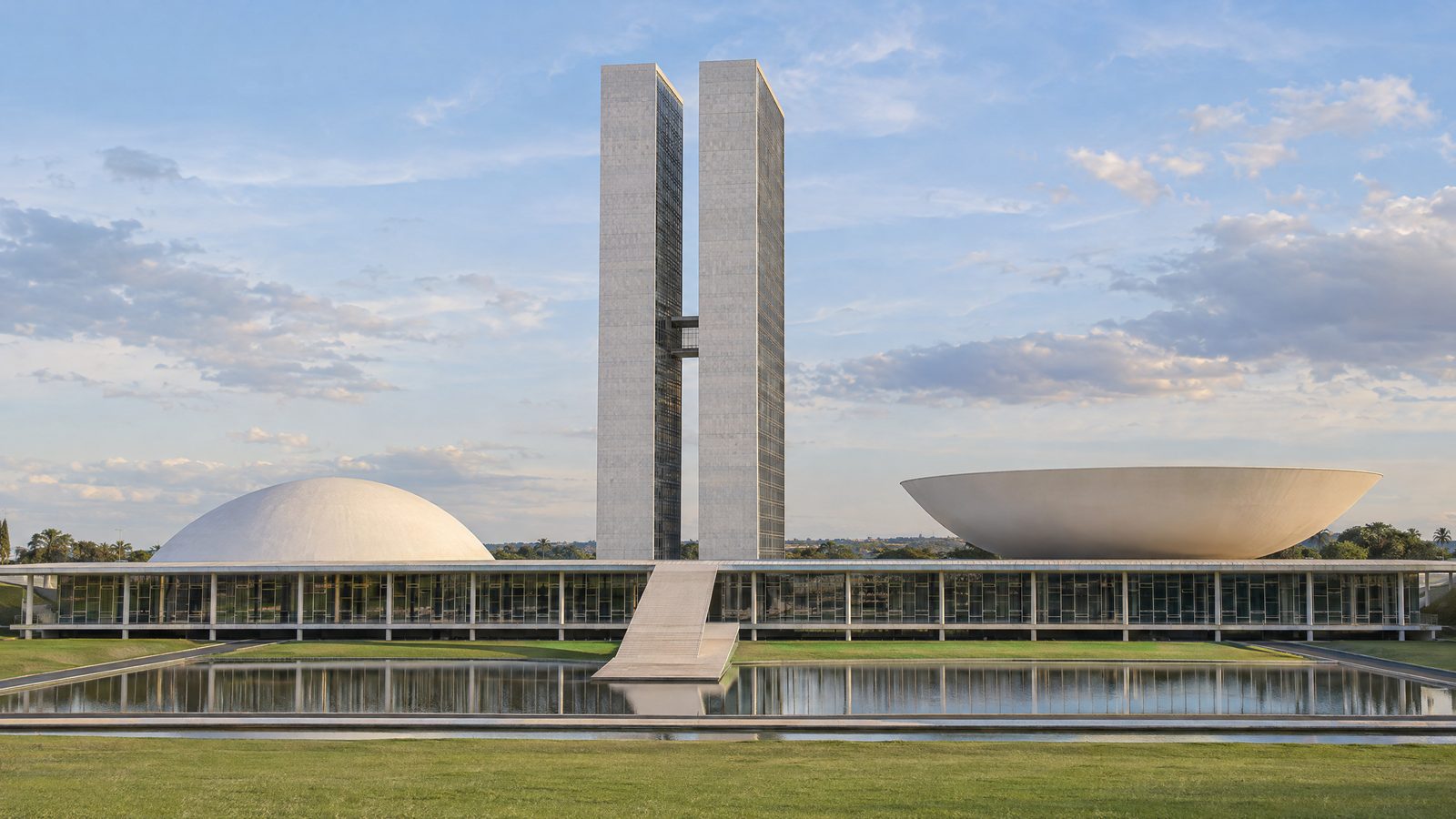

Brazil’s Senate has approved a constitutional amendment aimed at giving the federal government a larger role in public security and improving cooperation between police bodies. The measure, PEC 18/2025, passed on 3 November without an opposing vote in either of its two rounds.
There were 73 votes in favour in the first round and 75 in the second. After the vote, the proposal was headed for promulgation by Congress. Promulgation and publication are required for the constitutional change to take effect; Senate approval alone did not put every measure into operation.
How the security system would change
The proposal originated with President Luiz Inácio Lula da Silva’s government. Brazil’s lower house, the Chamber of Deputies, approved it in March before sending it to the Senate. Two amendments dealing with the age of criminal responsibility were separated from the security proposal rather than included in the text passed by senators.
One element would place the existing Unified Public Security System in the constitution. The system was created by law in 2018 to coordinate security institutions at different levels of government. It is not a plan to replace those institutions with a single police force.
The approved text provides for joint operations and the sharing of information, as well as the integration of systems used by federal, state, Federal District and municipal bodies. The aim is to allow agencies to work together across administrative boundaries while retaining their respective roles.
The Federal Police would gain a larger role in investigations involving criminal organisations and militias operating across state or international borders. The Federal Highway Police’s remit would extend beyond roads to include policing federal railways and waterways.
Policing, victims and funding
Municipalities would be permitted, but not required, to establish civilian police forces for patrol and community policing. Conditions include training, financial capacity and oversight. Public prosecutors would exercise external supervision over the municipal forces.
The text calls for legislation establishing stricter treatment for members of criminal organisations, militias and paramilitary groups, with punishment reflecting their position within a group. The measures envisaged include detention in maximum-security or other special facilities, limits on progression to less restrictive prison regimes and possible confiscation of assets linked to criminal activity.
Other provisions address protection for people who report wrongdoing and for their families. The text also sets out rights for victims of crime, including access to information and justice and participation in criminal proceedings, with particular attention to women.
On funding, the measure would direct 10 per cent of the annual financial surplus of the Social Fund, which receives oil-related revenue, to public-security and prison funds. The transfer would be phased in from 2027, reaching the full share in 2029. The percentage refers to the fund’s surplus, not to all oil revenue.
The proposal also protects resources in national public-security, prison and federal police funds against blocking or use for other purposes, subject to exceptions in the text. These rules concern the management of earmarked money; they do not establish how much has already been spent under the new arrangements.
The separate age debate
The procedural vote on the age proposals was much closer than the votes on the security amendment. Senators supported considering the proposals separately by 38 votes to 36, with one abstention. That procedural decision was not itself a vote to reduce the age of criminal responsibility.
At the time of the vote, people under 18 were not subject to adult criminal responsibility in Brazil, although adolescents could face measures under the youth justice system. One proposal would reduce the threshold to 16 generally and to 14 for certain serious offences. Another would reduce it to 16 only for offences classed as heinous under Brazilian law.
Some senators wanted the age proposals to be considered during the security debate, while others supported examining them separately. The security amendment approved on 3 November does not itself lower the age. The two age proposals were treated as separate measures.
Before the vote, Lula had linked plans for a public security ministry to approval of the amendment. The Senate vote did not itself create a ministry. Further laws, administrative decisions and funding will also matter to implementation of the security changes. The vote alone cannot demonstrate a reduction in crime.