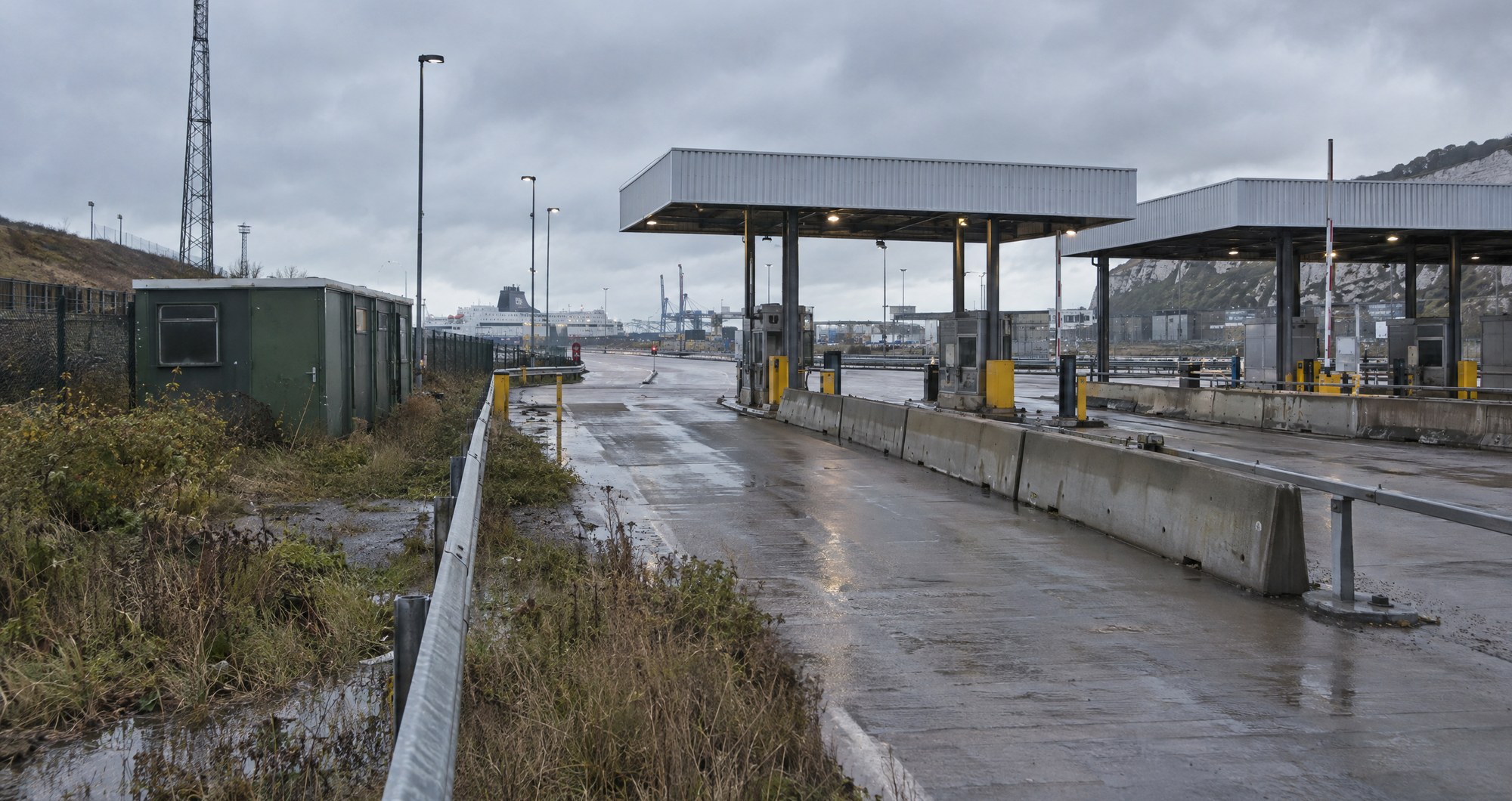

At least £100m was spent on seven inland border facilities in England and Wales after Brexit, but five never became operational, according to HMRC figures released under freedom of information. The disclosures reveal the cost of infrastructure intended to check goods arriving from the continent before ministers scaled back the checks and sites were decommissioned.
The spending includes £28m on a site near Guston, outside Dover, which remains a field, and £17m on a Birmingham facility, including £6m in closure costs. Ports are now asking ministers for compensation as a new UK-EU deal changes checking requirements and the government negotiates a closer agri-food arrangement with Brussels.
The figures set out specific acquisition, construction, ground works and closure costs, rather than a single uniform measure of spending. They also distinguish between facilities that never opened and those that remain in use. The £100m figure is a minimum, not a complete account of every cost associated with the border programme.
£28m spent on Dover-area site that remains a field
The Guston site accounts for one of the largest sums disclosed for infrastructure that did not reach operational stage. The Department for Transport paid £21m to acquire the land and spent a further £7m on ground works, including an archaeological survey.
Those costs bring the total for the site to £28m, although it remains a field rather than an operating facility for checking goods. The purchase price accounts for three-quarters of the spending, with the remaining quarter going on work to prepare the site.
At Birmingham, the £17m total includes £6m in closure costs. That breakdown shows that the bill was not confined to establishing the facility: more than a third of the reported spending there was associated with closing it.
Warrington and Ebbsfleet together accounted for about £20m, while about £5m was spent at North Weald. The combined figure for Warrington and Ebbsfleet does not provide a separate total for each location.
The intended purpose of the inland facilities was to support checks on goods arriving from the continent after Brexit. But the programme was overtaken by changes to the checks themselves, leaving five of the seven sites without ever becoming operational.
Portsmouth faces £6m shortfall on border post
A separate example of the financial consequences for ports is Portsmouth, where the council-owned port spent £23m on a border control post built to government specification. It received £17.1m in government grant funding, leaving the council facing a shortfall of about £6m.
Port director Mike Sellers said the facility now handles about two trailer checks a day, compared with the 80 originally envisaged. On those figures, the current daily volume is about one-fortieth of what had been planned.
Unlike the inland sites that never became operational, Portsmouth’s post is carrying out checks. Its problem is the substantial gap between the workload expected when the facility was planned and the volume it now handles.
The grant covered most, but not all, of the £23m cost. The remaining shortfall places the compensation question directly before the council as the requirements for checking goods change again.
Sevington and Holyhead remain in use
Sevington in Kent, the main inland site that did operate, had capital costs of £154m and operational costs of £179m. Together, those two categories amount to £333m, substantially more than the minimum £100m identified across the seven-site programme.
Those figures should not be treated as spending on an unused facility. Sevington is one of the two sites still in use, and its operational costs are distinct from the capital expenditure involved in establishing it.
Holyhead is the other site still operating. It cost £14m to acquire and £23m to build, a combined acquisition and construction bill of £37m. No equivalent operational spending figure for Holyhead is included in the supplied disclosures.
Ports seek compensation as checking rules change
Ministers scaled back border checks after concluding that EU food standards matched Britain’s. The decommissioning of facilities followed that policy change, leaving expenditure on land, preparation and infrastructure that was no longer required for its original purpose.
The next financial question is whether ministers will compensate ports as the new UK-EU deal changes checking requirements. For council-owned Portsmouth, that means seeking an answer over a facility built to government specification but handling far fewer checks than envisaged.
The compensation demands also put council-owned ports in direct conflict with the Treasury over who should bear the outstanding costs. The supplied information does not establish an agreed compensation settlement, leaving that question unresolved as the closer agri-food arrangement is negotiated.