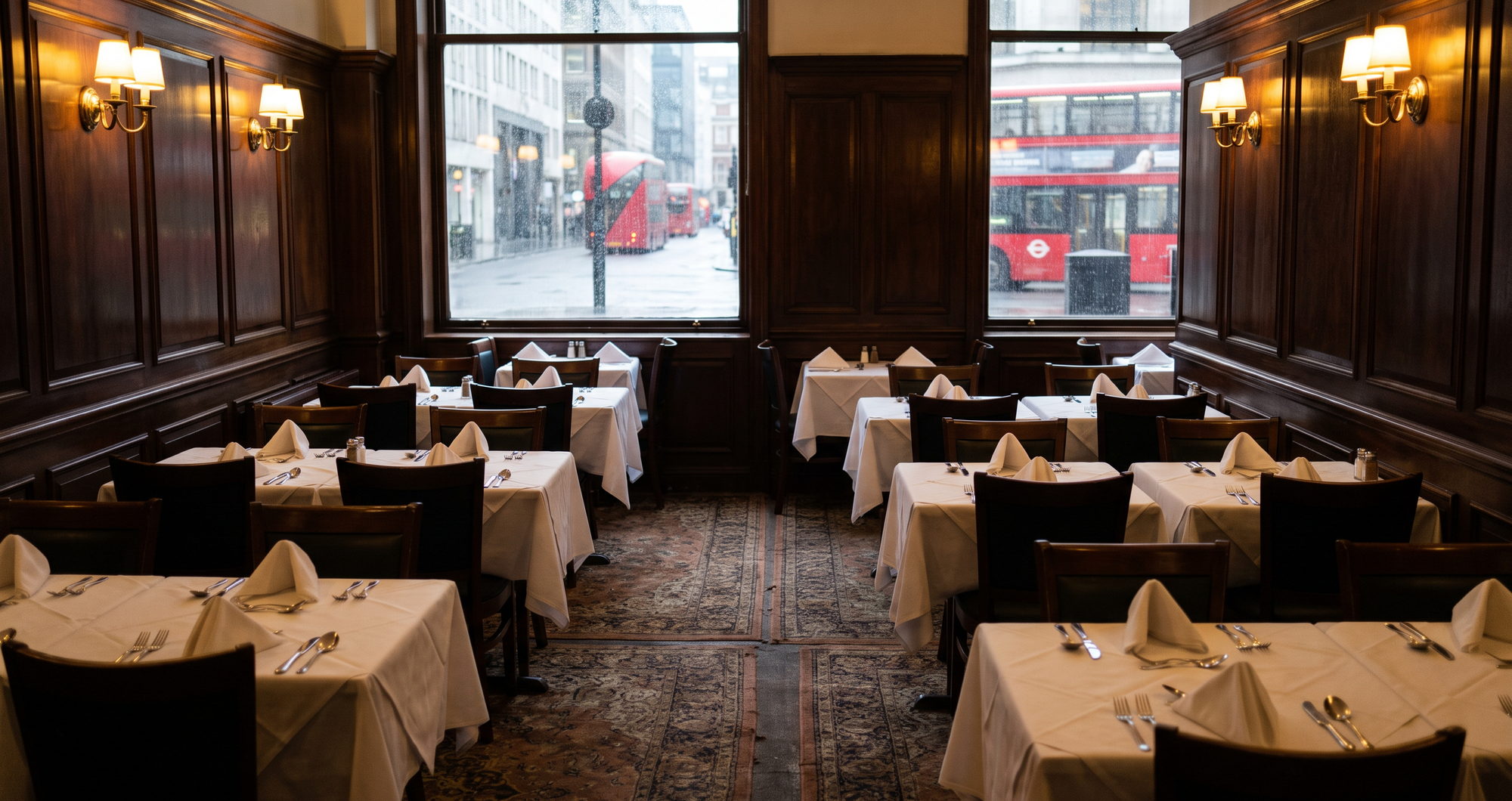

Veeraswamy, the Indian restaurant on Regent Street that was founded in 1926 and holds a Michelin star, went to the High Court on 5 November to resist the Crown Estate’s attempt to end its tenancy at Victory House. The hearing opened on Thursday before Judge Alan Johns KC and is expected to run into next week.
The restaurant’s lease expired in 2025. MW Eat, the company that owns it, is seeking a new tenancy under the Landlord and Tenant Act 1954, the route by which a business tenant can ask a court to renew. The Crown Estate wants the mezzanine and first floor back.
MW Eat’s case is that the landlord intends to convert the two floors into offices, described in its argument as high-class offices, as part of a programme of improvements to Regent Street. Ranjit Mathrani, of MW Eat, has said that relocating could cost up to £5 million, an estimate the company has put forward rather than a figure agreed by either side.
For the Crown Estate, Mark Sefton KC told the court that there was nothing remotely improper about the plan. The estate’s position is that the proposed works are legitimate and that it could re-let the space for more than the restaurant pays.
A century on Regent Street
Both accounts are allegations that the court has not yet resolved. No judgment has been given and the hearing continues. Whether the landlord’s purpose is genuine redevelopment or a route to a higher-value letting is the question the court must decide, and neither version has been accepted as fact.
The case sits inside the estate’s wider programme of works on Regent Street, which it values at £1bn. For the restaurant, a centenary year has become a legal fight over whether it keeps its home.
Edward Palmer founded the restaurant in 1926 and it holds a Michelin star, details that give the claim a profile beyond the usual lease renewal. A petition against the change has passed 20,000 signatures, although signatures do not bear on the legal test the court is applying.
Ownership is not contested: the estate holds the building and the restaurant has traded there as tenant. What divides the parties is why the landlord wants the floors back, and that is a question of intention rather than title.
The estate’s argument about re-letting is commercial, since it says the space could earn more as offices than as a restaurant. The restaurant’s answer is that the conversion, rather than the rent, is the purpose behind the move.
What happens next
Arguments are expected to run into next week, with judgment likely to be reserved, which would mean a ruling at a later date rather than at the close of argument.
A reserved judgment brings the hearing to a close before the decision is delivered, and the parties would then receive the ruling in writing. Until that happens, neither account carries more weight than the other in the record.
If MW Eat succeeds, the court would grant a new tenancy. If it fails, the restaurant would have to leave Victory House, and the company has put the cost of relocating at up to £5 million.
For diners, the position is unchanged while the case is heard: the restaurant remains at Victory House. For other business tenants on the street, the ruling will turn on how the court weighs a landlord’s redevelopment plan against a tenant’s claim to renew, and on how far an intention to convert a space counts as a reason to refuse one.