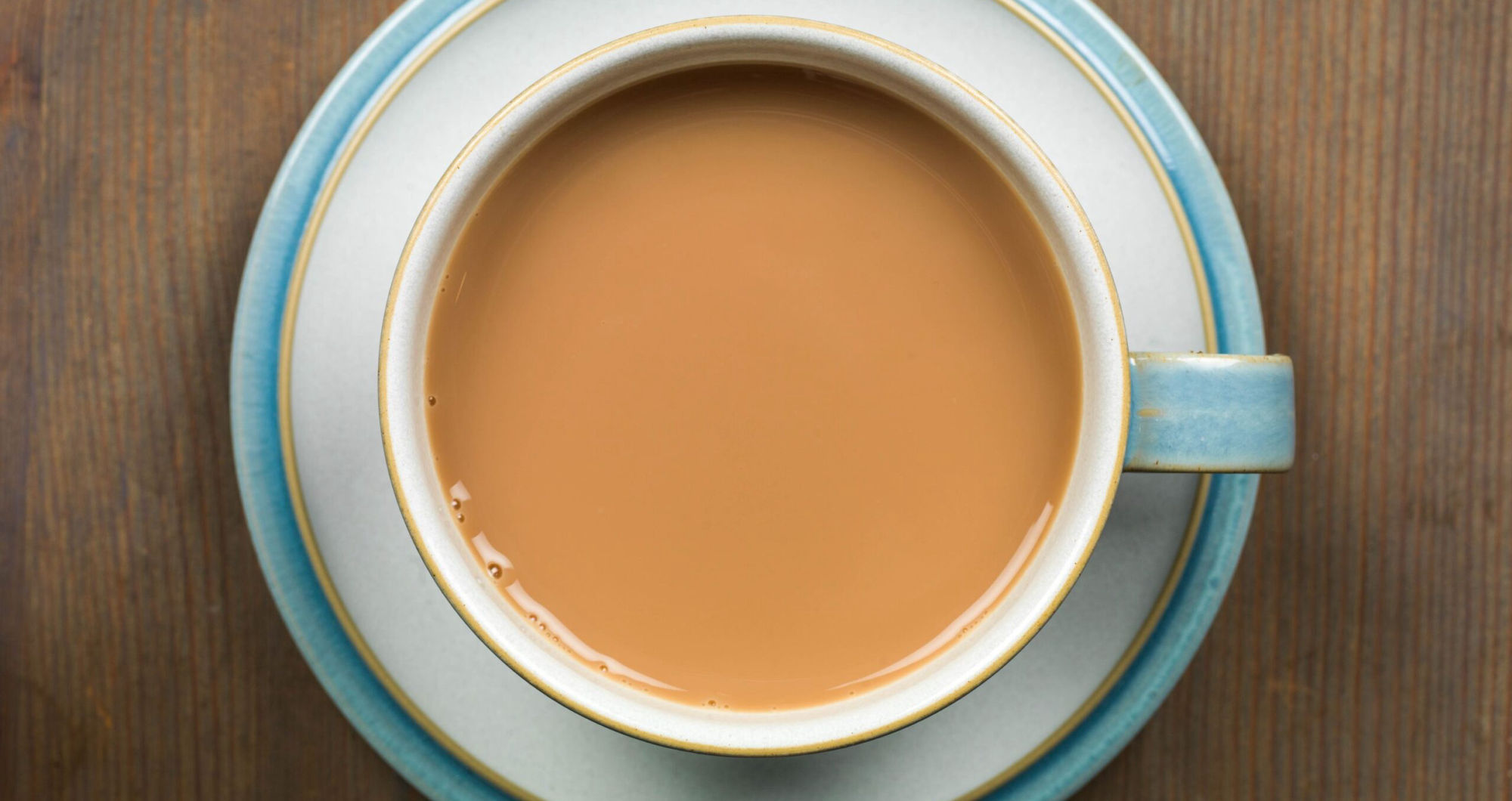

There are few things more British than being offered a cup of tea. But new research suggests that, for many of us, the safest answer might be: “No thanks.”
A survey of 2,000 UK adults, commissioned by kitchen appliance brand CASO Design for International Tea Day (21st May), has revealed just how particular Britons are about their brews – and how often we quietly judge other people’s tea-making skills.
According to the research, 42% of Brits have refused a cup of tea from someone else because of how it was made. The biggest turn-offs are too much milk, weak tea, reused teabags and tea served cold – all classic offences in a nation that still considers tea-making a point of pride.
The top complaint is a tea that is too milky, cited by 29% of respondents, closely followed by tea that has not been brewed for long enough, at 28%. Almost a quarter of people said reusing a teabag was enough to put them off, while 21% objected to being served a cold cuppa, and 18% disliked tea that was too strong.
Perhaps most awkwardly, friends appear to be the nation’s least trusted tea makers. Of those who have turned down a cup of tea, 29% said they were most likely to refuse one made by a mate, followed by work colleagues at 24% and siblings at 23%. In fact, Brits are more likely to accept a cup of tea from a complete stranger than from some members of their own family.
Bosses, however, seem to escape the harshest scrutiny. Just 8% of respondents said they would turn down a tea made by their manager, suggesting that office politics may be stronger than tea standards.
Younger drinkers are the most ruthless critics, with 54% of 25 to 34-year-olds admitting they have refused a brew. Men also appear to be fussier than women, with 45% saying they have turned down a cup of tea compared with 38% of women.
The reasons behind tea rejection are not always about taste. Hygiene was the biggest concern, cited by 38% of people, followed by tea being too milky, too weak, or a lack of confidence in the maker’s abilities.
Yet while Brits are quick to judge other people’s tea, the findings suggest many may be overestimating their own skills. A striking 85% of people believe they make the perfect cup of tea, despite the fact that 70% are not letting their tea brew for long enough.
More than half of respondents, 57%, admit to pressing the teabag against the side of the mug, a habit that can release bitter tannins and affect the taste. More than a quarter, 27%, add milk before the tea has finished brewing, while 14% re-boil the same water multiple times throughout the day. One in five also use boiling water for delicate herbal teas, which can scald the leaves and create bitterness.
The biggest issue, however, appears to be impatience. One in ten people leave the teabag in for less than 30 seconds, while a third brew their tea for no more than a minute. Only 14% follow the recommended two to three minutes.
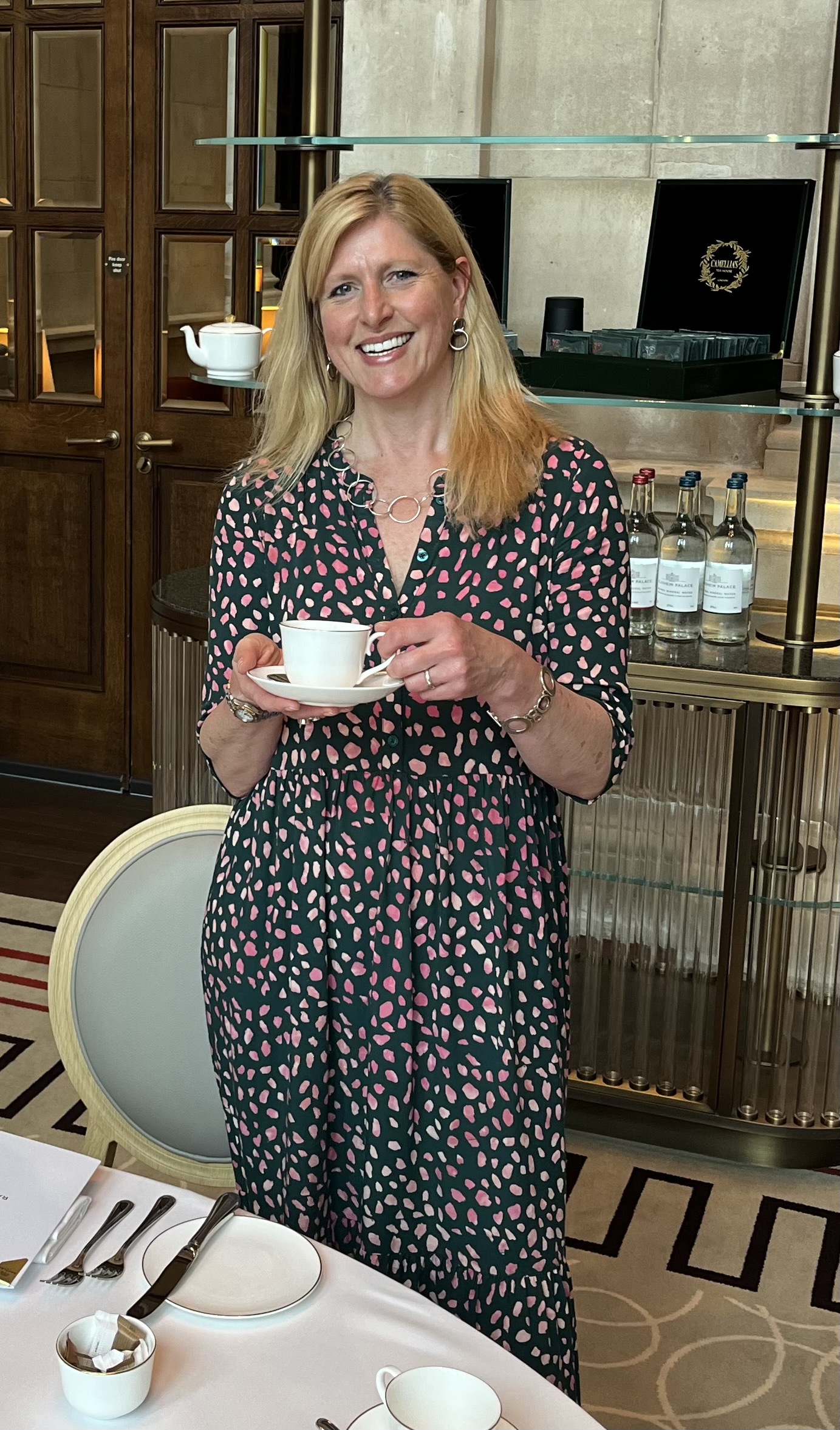
Carri Hecks, leading UK tea sommelier and tutor at the UK Tea Academy, says the nation’s relationship with tea is deeply personal, which may explain why standards feel so important.
“We all know what we like and like what we know when it comes to tea,” she says. “Whether it’s strong but milky, tea you can stand your spoon up in or simply waving the teabag near the cup, everyone has their own idea of the perfect brew. A cup of tea is a comfort blanket for many people and how it tastes is incredibly important to them, which is why people can be so particular when someone else makes it.”
She adds that this also explains the gap between people’s confidence in their own tea-making and the reality of their habits.
“It’s a bit like asking people whether ketchup, brown sauce or mustard belongs on a full English breakfast – everyone is convinced their way is the right way. The same applies to tea. People become attached to habits and routines because they deliver a sense of familiarity and comfort, even when, in reality, those habits might compromise flavour.”
For Hecks, the decline in tea-making standards began when Britain moved away from teapots and loose-leaf tea.
“As a tea purist, I’d say we started to lose the art of tea making the moment we stepped away from teapots and loose leaf tea. Tea became less of a ritual and more about speed and convenience – dunking a bag in a mug for a few seconds, adding milk and moving on with the day.
“In many ways, it mirrors what happened with bread. Convenience took over and quality slipped. But just as people have rediscovered sourdough and slower methods of baking, there’s now an opportunity to rethink how we approach tea and start valuing the process again.”
That does not necessarily mean returning to old-fashioned methods. Hecks says modern tea-making can still fit into busy lives, provided people pay more attention to the basics.
“Tea making is evolving, and modern technology is becoming part of that evolution. People are time poor, so there’s growing interest in tools that help deliver more consistency, quality and precision without slowing everything down.”
Her advice is simple: start with freshly drawn filtered water, use the right temperature for the tea you are making, and give it enough time to brew. Black tea typically needs water at around 95°C and two to four minutes of brewing time, while green tea should be brewed cooler, at around 70°C, for two to three minutes. White tea is best at around 80°C, oolong at 90–95°C, and herbal infusions at 100°C.
Most importantly, she says, tea drinkers need to rediscover a little patience.
“We’re all happy to wait for our coffee to brew or be made in a café, but we’re so used to dunking a bag in the cup and sploshing in some milk, we don’t associate tea with patience. Good tea is worth the wait.”