
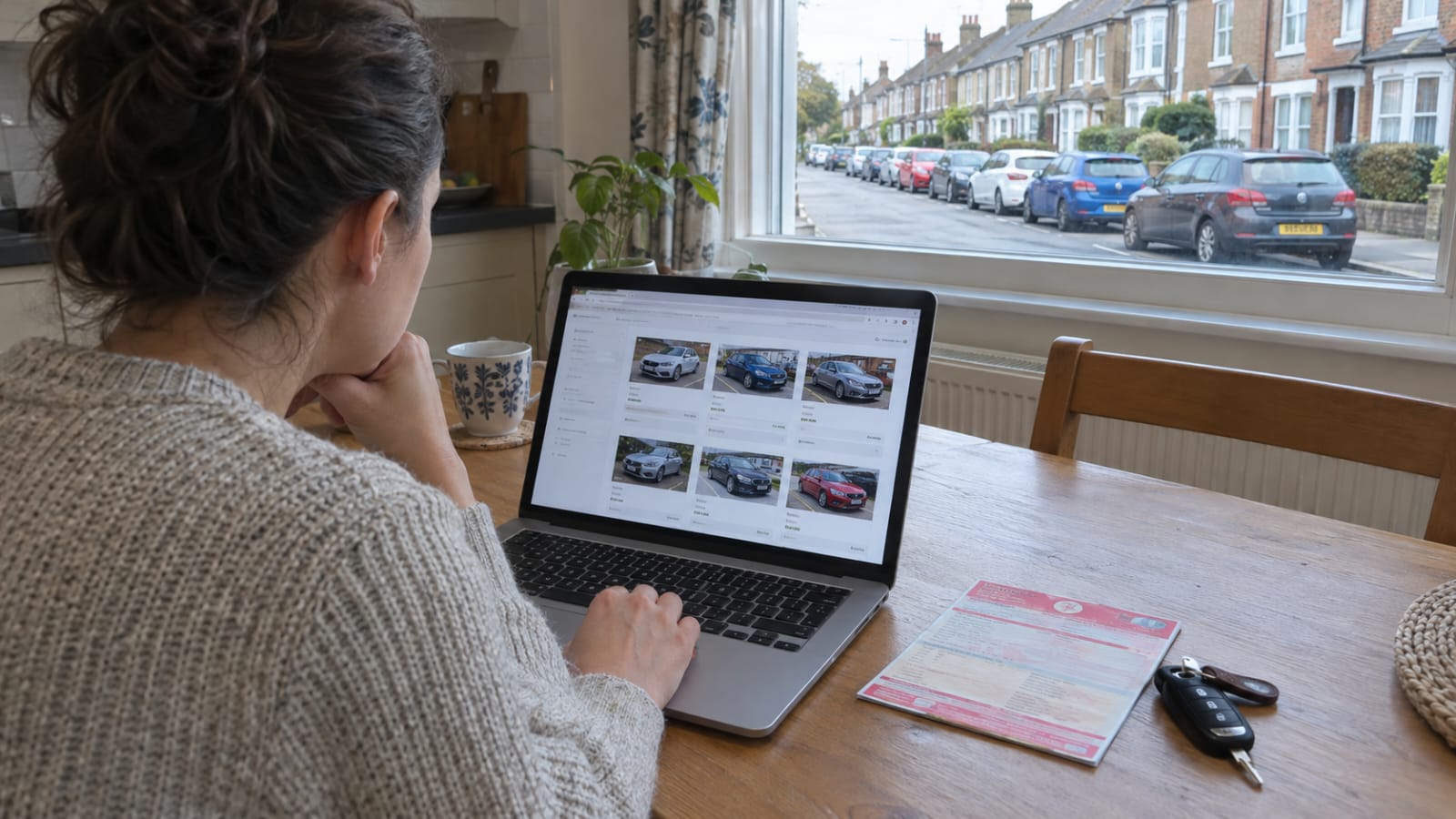

For most UK households, a car is the second-largest purchase after a home, yet the way people buy and sell vehicles has traditionally relied on face-to-face negotiation at a dealership. Over the past decade, that has started to shift. Online valuation tools, dealer-comparison platforms and instant-buy services now sit alongside the traditional forecourt, giving buyers and sellers more ways to check prices before they commit.
This guide looks at the main options available to UK drivers, how each one works, and what to check before handing over money or a logbook.
The Traditional Route: Dealerships and Part-Exchange
Buying from a franchised or independent dealer remains the most common way to get a car in the UK. The main advantage is legal protection: under the Consumer Rights Act 2015, a car bought from a trader must be of satisfactory quality, fit for purpose and as described, and buyers generally have a 30-day short-term right to reject a car that turns out to be faulty.
The drawback is that the price is usually negotiated in person, and many buyers find this stressful or feel unsure whether they have secured a fair deal. Part-exchanging an old car at the same time is convenient, but it can make the overall figures harder to compare, because a generous trade-in value may be offset by a smaller discount on the new car.
How Online Comparison Platforms Work
A growing number of websites now let buyers compare offers before visiting a dealer. Some, such as Auto Trader, work as large classified listings. Others, such as Carwow, use a different model: the buyer selects the make, model and specification they want, and participating dealers submit prices for that car, which the buyer can then compare side by side.
The broad process on dealer-comparison sites usually looks like this:
- Configure the car: Choose the model, trim, colour and any options.
- Receive dealer prices: Dealers who stock or can order that car send their offers.
- Compare the details: Look at the price, dealer location, delivery time and finance terms.
- Contact the dealer: The sale itself is usually completed directly with the chosen dealer.
This approach can make pricing more transparent, as buyers can see a range of quotes without visiting several showrooms. It is worth remembering, however, that such platforms are typically funded by the dealers who use them rather than by buyers, and that the final contract is with the dealer, so the usual checks still apply.
Options for Selling a Car
Sellers in the UK now have four main routes, each with its own trade-offs:
- Private sale: Often achieves the highest price, but involves advertising, answering enquiries, arranging viewings and handling payment safely.
- Part-exchange: Quick and simple when buying another car from the same dealer, though offers are often lower than a private sale.
- Instant-buy services: Companies give a valuation online and buy the car directly. Fast, but the final price can be reduced after a physical inspection.
- Dealer-bidding platforms: The car is listed online and a network of dealers bids on it, with collection and payment arranged through the process. Several comparison sites, including Carwow and Motorway, now offer this.
Whichever route is chosen, getting more than one valuation is the simplest way to understand what a car is realistically worth.
Key Checks Before Buying
Whether buying online or in person, a few checks help avoid costly surprises:
- MOT history: The government’s free online MOT history service shows past test results, mileage records and advisories for most cars over three years old.
- Vehicle history check: A paid check can reveal outstanding finance, insurance write-offs or a record of the car being stolen.
- Total cost, not headline price: Compare delivery charges, finance interest, add-ons and any admin fees, not just the advertised figure.
- Finance type: Personal Contract Purchase (PCP) usually means lower monthly payments with a large optional final payment, while Hire Purchase (HP) leads to full ownership once all payments are made.
- Running costs: Insurance group, fuel or charging costs and vehicle tax can vary widely between similar models.
Paperwork When a Car Changes Hands
When a car is sold, the seller must tell the DVLA, which can be done online using the V5C logbook. Vehicle tax is not transferred with the car, so the new owner needs to tax it before driving, and must also have insurance in place. Sellers should keep a record of the date and time of sale, as this marks the point at which responsibility for the vehicle passes to the buyer.
Weighing Up the Options
There is no single best way to buy or sell a car. Dealerships offer strong consumer protection and the chance to see a car in person; private sales can maximise value, and online comparison tools can save time and make prices easier to compare. For many drivers, the most practical approach is a mix of all three: researching prices online, checking a car’s history, and only then deciding where to buy or sell.
Taking time for these steps, rather than relying on a single quote or a single visit, is usually the most reliable way to reach a fair deal.







