
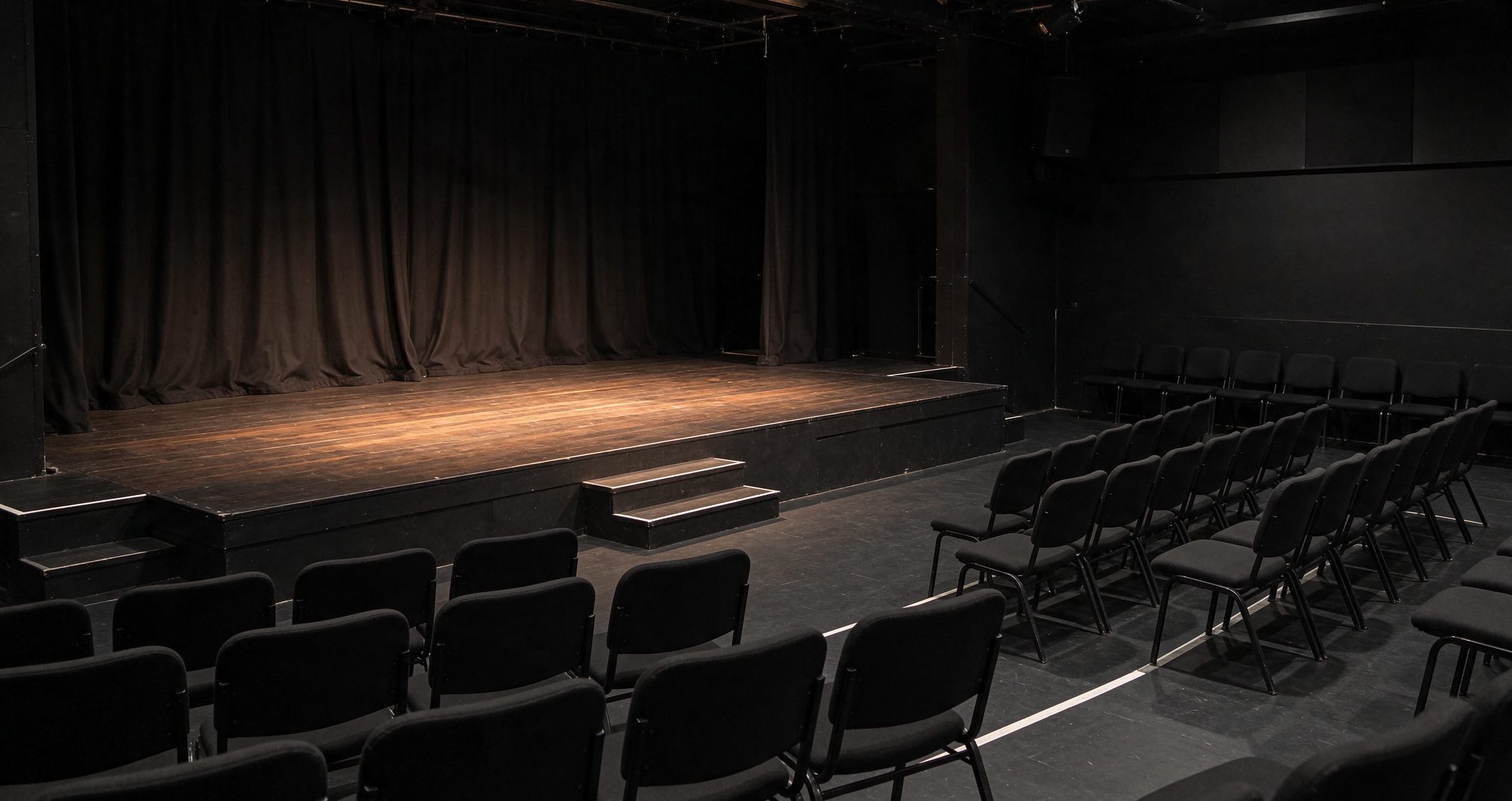

Camden People’s Theatre has launched a national programme worth more than £500,000 to support deaf, disabled and neurodivergent artists, combining paid residencies with funding for new productions and accessibility work at partner venues.
Stages of Change will run for three years, with six artists or companies beginning residencies in April 2027. The London theatre is the lead organisation and grant holder, working with disability equality organisation Ramps on the Moon and regional theatre partners.
The investment includes a £440,000 grant from Arts Council England. Programme partners, trusts and foundations, alongside anticipated Theatre Tax Relief, make up the wider funding package. The £500,000-plus figure is therefore the overall programme investment, rather than the value of the Arts Council grant alone.
The theatre says the scheme is its largest direct cash investment in artists. It aims to give participants sustained support while helping smaller venues change how they develop and present accessible work.
Three years of support
Each resident artist or company will receive an unrestricted annual stipend of £5,000 towards their core practice, plus up to £30,000 to create and present an original production at their partner venue. Mentoring, practical support and a separate contribution towards access costs are also included.
The residencies are intended to reflect each participant’s ambitions, access requirements and working methods, rather than impose a single approach to making a show. Ramps on the Moon will help develop individual leadership plans and support shared learning between the partners.
In London, writer and actor Em Prendergast will work with Camden People’s Theatre on Hampstead Road. Prendergast’s writing often serves both spoken English and British Sign Language users.
The other pairings are director Nickie Miles-Wildin with Z-arts in Manchester, director and playwright Bex Bowsher with Alphabetti Theatre in Newcastle, and disability-led performing arts charity RAWD with Unity Theatre in Liverpool. RAWD supports learning disabled artists.
Actor and writer Amy Trigg will undertake a residency with Reading Rep. Disabled self-portrait artist Corinne, who makes work from bed, will work with Attenborough Arts Centre through an East Midlands partnership involving Derby Theatre and In Good Company.
Changes beyond the stage
The programme also includes organisation-wide anti-ableism training at the partner venues, facilitated by Ramps on the Moon. Each venue will receive funding to make more of its wider programme accessible to disabled audiences, extending the work beyond the six commissioned productions.
Camden People’s Theatre says rising costs and limited resources have made it harder for studio theatres to commission experimental work and invest in inclusive practice. It identifies inconsistent opportunities and inflexible working arrangements as additional barriers to sustainable careers for disabled artists.
The stated aim is to demonstrate the economic viability of disabled-led work while developing artistic leaders and stronger relationships with disabled audiences. Those ambitions will be tested through the residencies and the venues’ work over the programme’s three years.
Rio Matchett, the theatre’s artistic director and co-CEO, said access should be considered as naturally as sound or movement during the creative process, rather than treated as a risk or an adaptation.
Every commissioned production is due to be filmed for online audiences, including people unable to attend in person. An industry showcase midway through the programme will bring the work to programmers, while a public symposium planned for 2029 will share a model for other theatres.
The theatre is also recruiting a producer to coordinate the programme and support the six productions. The role will be based in Camden, with flexible and remote working options. Applications close at midnight on Monday 4 January 2027, and the theatre particularly welcomes candidates with lived experience of being deaf, disabled or neurodivergent.







