
Does anxiety impact your quality of life? The many symptoms of this disorder can wreak havoc on some and finding relief isn’t always easy. You might wonder what your diet has to do with your symptoms. Can certain foods alleviate them — or make them worse? Should you be eating for anxiety?
Everything you put into your body influences your chemistry, including the hormones and neurotransmitters affecting your mood. If you want to ease your symptoms, start eating for anxiety and adding more of the good stuff to your meals.
What Triggers Anxiety?
Anxiety has many causes, from traumatic experiences, chronic stress or alcohol use — even thyroid and heart disorders. It takes many forms, including:
- Generalized anxiety
- Specific phobias
- PTSD and CPTSD
- Social anxiety
You may not be able to pinpoint the source of your anxiety. However, you know it’s become a problem when it begins affecting your life. Are you skipping events you’d rather attend or holding back from career opportunities? Examine your motivations and whether anxiety plays a role.
You can overcome anxiety through professional and holistic treatments. Diet can play a crucial role in your recovery.
Can Eating Be a Source of Anxiety?
Occasionally, eating can become a source of anxiety. For example, people with anorexia may become enormously fearful at mealtime. Additionally, some people develop orthorexia, where they become obsessed with eating healthy. Although there’s nothing wrong with preferring salads to cake — your doctor will thank you — it becomes problematic when you equate dinner with stressful decision-making.
What Are the Best Nutrients for Anxiety?
Some of the best nutrients for anxiety include the following:
- Magnesium: This mineral may stimulate GABA receptors in the brain. GABA is a neurotransmitter that acts like natural valium to relax you.
- Selenium and zinc: Both reduce anxiety and depression symptoms in some.
- Folic Acid: Several studies suggest folate deficiency contributes to anxiety and depression.
- Omega-3s: Fish oil may ease anxiety, according to a 2018 review of 19 different clinical trials.
- Vitamin D: Low levels of vitamin D correlate to worsening anxiety and depression symptoms.
- Pre and probiotics: Increasing probiotics and prebiotic consumption may ease anxiety symptoms.
8 Foods You Should Be Eating for Anxiety
How can you improve your symptoms by eating for anxiety? Add more of these eight foods to your weekly meal planning.
1. Seafood
Seafood is your best source of omega-3 fatty acids — a nutrient associated with mental wellness. Although you can find these substances in plant-based foods like flaxseeds, they only contain ALA, one of the three types. Fish contains DHA and EPA — the other two forms of omega-3. While your body can make DHA and EPA from AHA, it isn’t very efficient at it, so dig into the fruits of the sea.
2. Nuts
Nuts are among the best sources of magnesium. This nutrient is a powerful tool in the battle against depression, but it also works to relax you. They’re high in selenium and zinc as well— a single Brazil nut contains your full day’s RDA of selenium.
You can sprinkle nuts on salads or eat them as a solo snack. They’re also chock-full of lean protein, making them perfect for the vegan crowd.
Many nuts make excellent alternative flours. For example, cookies baked with almond or cashew flour can elevate your recipe while improving your health.
3. Seeds
Seeds are another excellent plant-based protein source high in magnesium, selenium and zinc. They may prove particularly useful for people who menstruate. Have you noticed your anxiety symptoms worsen near your period?
If so, try adding more seeds to your diet or even giving seed-cycling a try to see if it helps. Seeds are rich in lignans — plant substances that act like estrogen in the body. Some holistic health practitioners believe they help balance the female reproductive system. Sprinkle the following on your salads or soup:
- Chia seeds
- Flaxseeds
- Pumpkin seeds or pepitas
- Sunflower seeds
4. Dark, Leafy Greens
Dark, leafy greens are rich in multiple B vitamins, including folate. Additionally, they contain ample amounts of chlorophyll — a phytonutrient that gives them their green colour but may also provide considerable health perks in humans.
For example, this substance binds to toxins in the colon, whisking them out of the body and reducing your exposure to carcinogens. A salad could calm your nerves and ease your fears about your cancer risk.
5. Apples
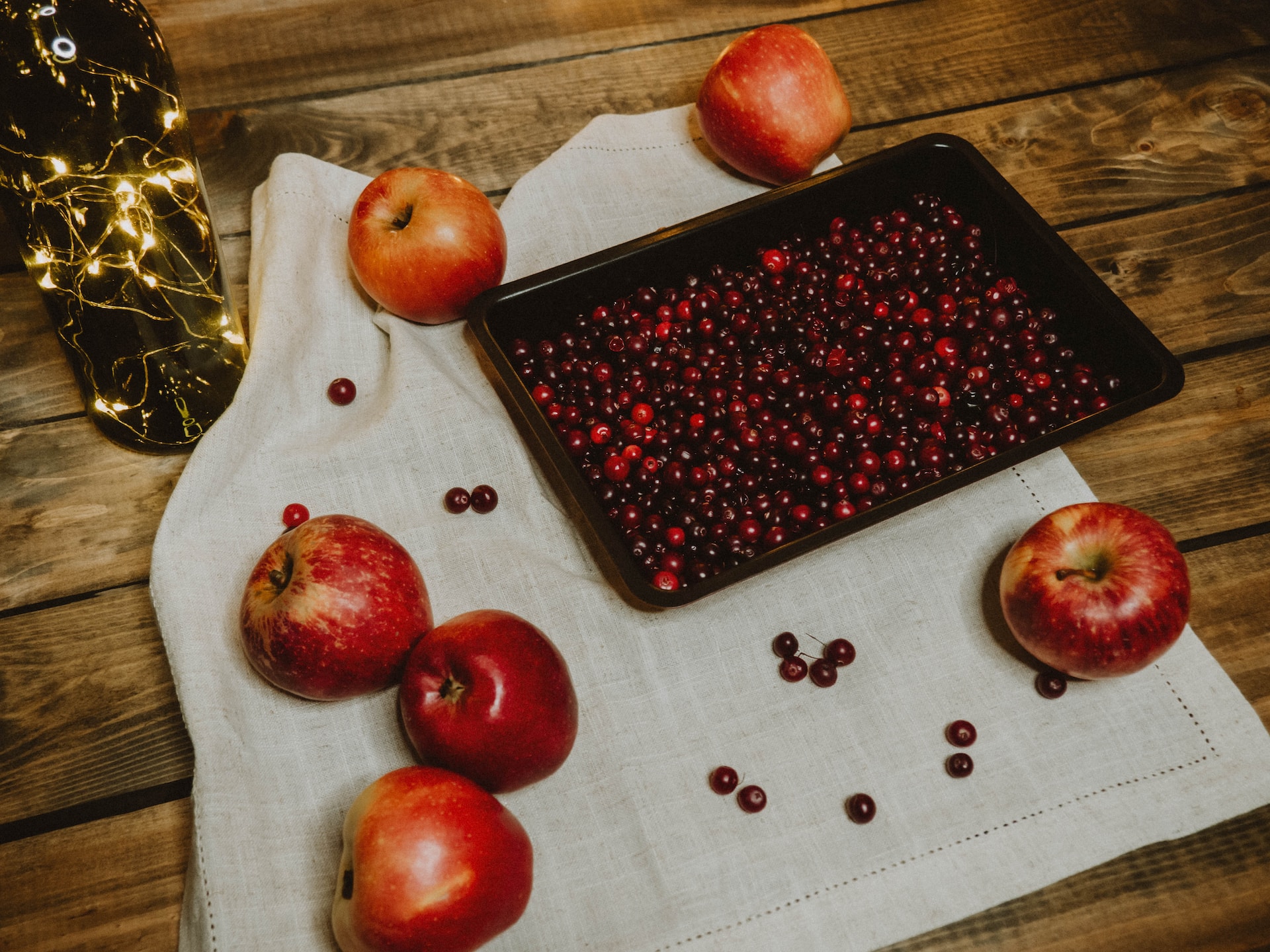
Apples are rich in pectin — a prebiotic fibre your body loves. Your intestinal microbiome refers to the species of beneficial bacteria in your gut and it may play a significant role in your mood. Although research is ongoing, several studies have recognized an association between regulating gut microbiota and improving anxiety symptoms.
Try an apple and yoghurt smoothie. The yoghurt contains probiotics — the good bacteria themselves — to replenish any your gut is missing.
6. Whole Grains
Whole grains are also rich in multiple nutrients that support brain health and may reduce anxiety. A recent review of 23 studies found increasing whole grain consumption reduced anxiety and depression symptoms.
Fortunately, it’s relatively easy to switch if you read labels. In the ingredient list, look for the words “whole grain” or “100% whole grain,” not enriched flour.
7. Berries
Berries are a fabulous source of anthocyanins — a phytonutrient good for brain and heart health. They also have anti-inflammatory properties that ease chronic pain and may reduce cancer risk. Finally, they make the perfect addition to your morning smoothie.
You can also add dried berries to salads to cut some of the bitterness of dark greens. Try adding some blueberries and goji berries to your next spinach mix.
8. Dark Chocolate
Did you know interoceptive triggers can promote anxiety? Your interoception is your sense of what’s happening inside your body, like your pulse and blood pressure. If either gets too high, your body might interpret it as panic, making you anxious.
Dark chocolate may lower your blood pressure, reducing anxious feelings. If nothing else, a sweet indulgence can make you feel comforted. Stick to versions with as little added sugar as possible.
Foods to Avoid When You Have Anxiety
Certain substances can wreak havoc with your blood sugar and these fluctuations might trigger panic in some. Steer clear of the following and see if your symptoms improve:
- Alcohol: Alcohol disrupts several neurotransmitters. Have you ever felt the morning-after “hangxiety?” It happens as your brain increases glutamate levels — an excitatory neurotransmitter. An excess can make you feel anxious.
- Caffeine: Too much caffeine increases your blood pressure and heart rate, leaving you panicky.
- Added sugar and processed flour: Both absorb quickly, causing blood sugar fluctuations that may spur anxiety.
Eating for Anxiety
Everything you eat affects your chemistry, which can influence how severe your anxiety becomes. Knowing the right foods to choose can improve your symptoms and quality of life. Follow these tips for eating for anxiety and reap the calming rewards.
Featured image by Anastasia Zhenina on Unsplash