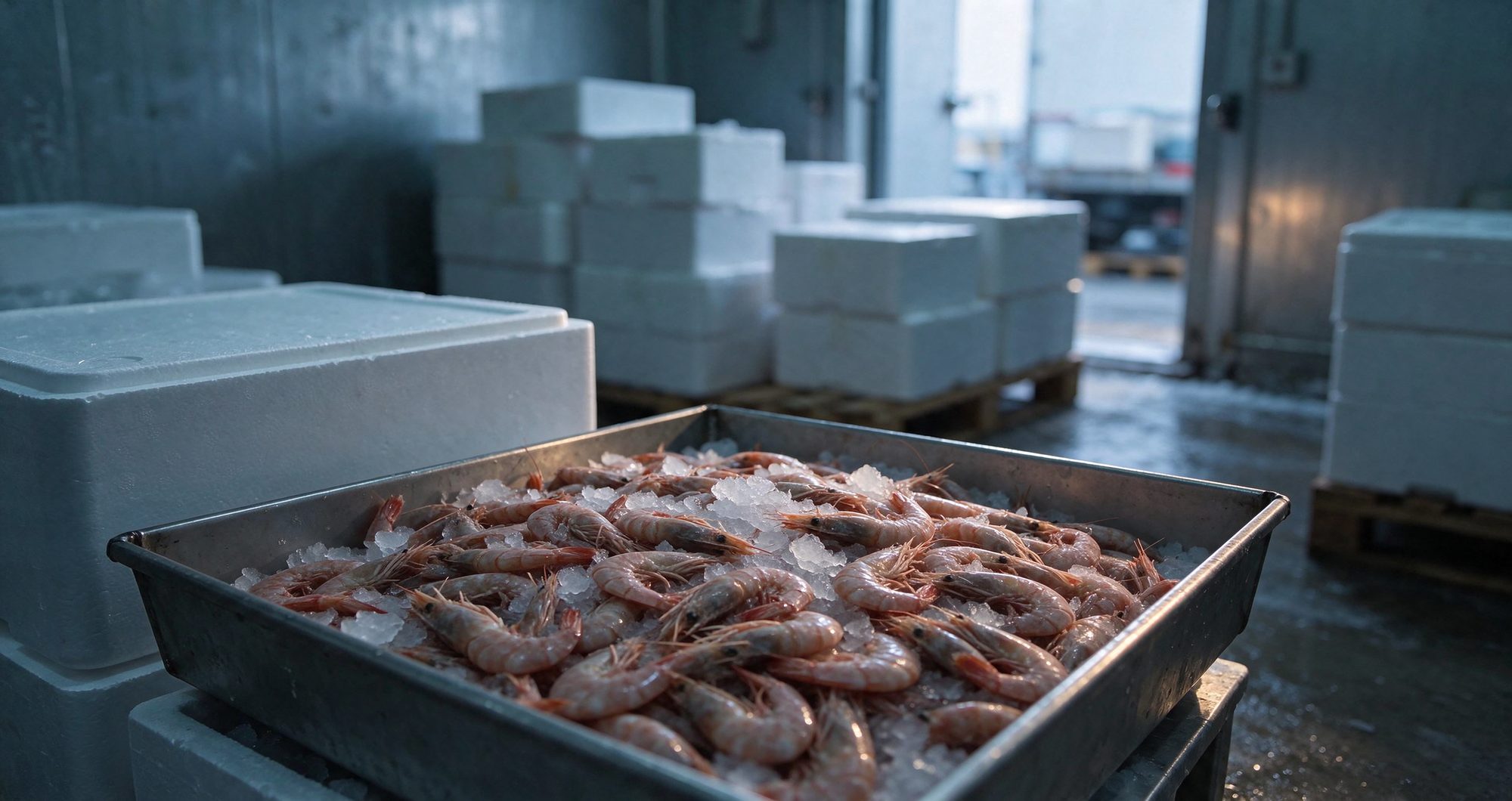

Canada and China have agreed to widen tariff relief to cover approximately C$400 million worth of Canadian pork and seafood exports, as part of a reciprocal trade package running through the end of 2028.
Prime Minister Mark Carney and Chinese President Xi Jinping agreed the measures during talks in Shenzhen on 17 November. Canada will also extend exemptions from duties on specified Chinese steel and aluminium products and add more products to the relief scheme.
The Canadian exports covered by the new expansion include C$116 million in frozen pork cuts and approximately C$285 million in fish and seafood. These figures describe the value of exports affected by the arrangement, rather than the amount businesses will save in tariffs.
Relief scheduled for January
China has agreed to suspend the relevant anti-discrimination tariffs from 1 January 2027 until 31 December 2028. The package therefore sets a future period of relief; it does not mean the new exemptions are already operating.
The product list includes most frozen pork cuts, certain frozen cold-water shrimp and prawns, including Pacific spot prawn, and certain molluscs, including geoduck. Sea cucumber and Greenland halibut are also covered. The use of specified product categories means the arrangement should not be read as a blanket removal of duties from every Canadian seafood export.
The expansion builds on an earlier agreement this month extending relief for canola meal, peas, lobster and crab by two years. Those products were already part of the recent extension, while the pork and additional seafood measures widen the scope of the bilateral arrangement.
Canadian exemptions for Chinese metals
In return, Canada will keep existing remission measures for certain Chinese steel and aluminium products until 31 December 2028. Those measures currently cover goods imported on or before the end of 2026. Remission provides relief from duties that would otherwise apply to qualifying imports.
Canada will expand that coverage to another 32 tariff items, comprising 23 steel items and nine aluminium items. The additions concern products for which Canadian supply is insufficient or unavailable. They are targeted exemptions, not the cancellation of all Canadian tariffs on Chinese metals.
The agreement develops the strategic partnership Carney and Xi launched in January. Bilateral merchandise trade reached C$125.6 billion in 2025, with China accounting for C$35.1 billion of Canadian merchandise exports. The new package concerns particular trade barriers within that much larger commercial relationship.
Trade mission and education plans
The Shenzhen visit also brought plans for a major Canadian trade mission to China in 2027. It is intended to connect businesses with industry leaders and potential customers. A Canada-China Year of e-Commerce is planned for the same year, with a focus on helping small and medium-sized enterprises trade through Chinese online platforms.
Canada has committed C$850,000 over three years to support 850 additional Canadian students studying at Chinese universities through the Canada Learning Initiative in China. A separate C$8 million contribution over five years will support environmental policy cooperation through the China Council for International Cooperation on Environment and Development.
Transport and commercial arrangements also form part of the visit package. Air Canada plans to launch Vancouver-Guangzhou flights in May 2027. More than C$15 million in arts and culture agreements have been signed by five Canadian companies.
A memorandum of understanding sets out plans for a Canada-China chief executives’ roundtable, co-chaired by the Canada-China Business Council and the Bank of China. Its purpose is to provide continuing business-to-business discussions on trade and investment.
The University of Ottawa and Shanghai International Studies University have also signed a memorandum to develop an undergraduate dual-degree programme. That is an agreement to develop the programme, rather than confirmation that students can already enrol. These wider initiatives accompany the tariff measures, while their practical results will depend on the plans being put into effect.