

Oman and Uzbekistan have elevated their relations to a strategic partnership during a state visit that brought the signing of 30 agreements and memorandums of understanding across trade, transport, technology and public services.
Sultan Haitham bin Tarik and Uzbek President Shavkat Mirziyoyev agreed the new relationship during the president’s visit to Oman on 16 and 17 November. Their discussions in Muscat included a restricted meeting at Al Alam Palace, followed by expanded talks with members of both delegations.
Business council and trade negotiations
The package includes the establishment of an Oman–Uzbekistan Business Council and signed terms of reference for a proposed preferential trade agreement. The two countries intend to advance negotiations towards concluding that agreement, with the aims of liberalising trade, diversifying exports and improving market access.
The preferential trade agreement itself has not been completed. The terms of reference provide a framework for negotiations rather than confirmation that new preferential trading arrangements are already in force.
The signed agreements and memorandums cover visa exemptions, customs cooperation, transit transport and the movement of goods. Cooperation involving free economic zones, communications and information technology is also included, linking the commercial agenda with the systems needed to support it.
Other instruments address finance and economic cooperation, health, agriculture and food security, labour and human resources, and higher education. Culture, sports, religious affairs, housing and urban planning also form part of the package, extending the partnership beyond trade alone.
The leaders want to strengthen public-private partnerships and encourage greater participation by businesses. They highlighted the existing Uzbek-Omani Investment Company and their ambition to expand its investment portfolio.
During the talks, particular attention was given to doubling the company’s authorised capital to US$500 million to support joint projects. That was a subject of discussion, not confirmation that the capital increase has been completed or that the additional money has been invested.
Connecting markets through transport and logistics
Transport, logistics, connectivity and infrastructure are priorities for the wider relationship. The leaders emphasised the potential to use both countries’ geographic positions and logistics capabilities to strengthen links between Central Asia, the Middle East and other markets.
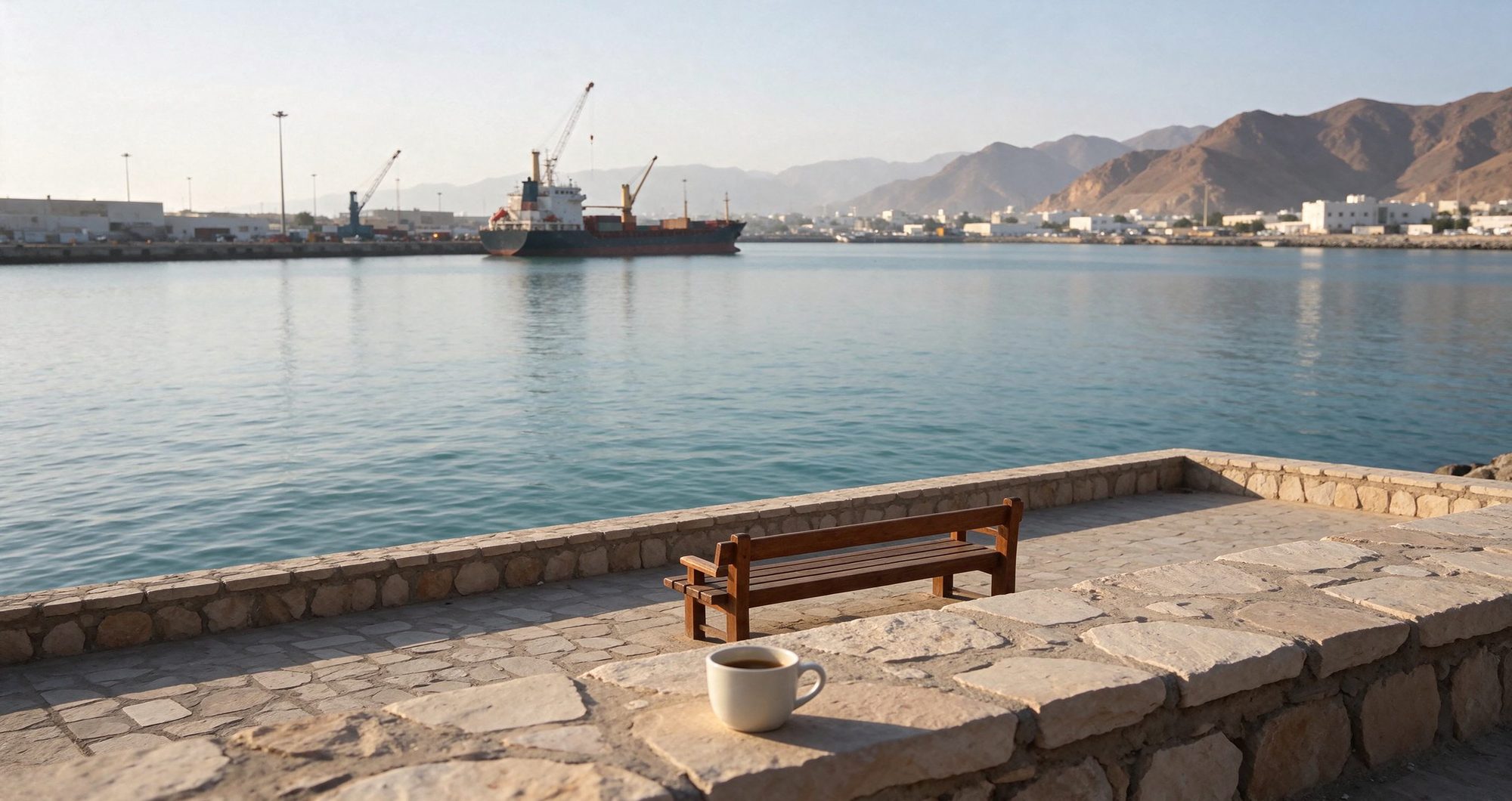
Oman’s ports are envisaged as gateways for Uzbek products, while Uzbekistan could provide access for Omani goods and investments to Central Asian and Eurasian markets. The partnership also identifies energy, including renewables, technology, innovation and tourism as areas for closer cooperation.
An Oman–Uzbekistan Business Forum took place during the visit in the presence of Mirziyoyev. It brought the two business communities together to explore commercial and investment cooperation, exchange expertise and consider joint ventures.
The leaders agreed to adopt a roadmap for implementing the agreements reached at their talks and to establish a Coordination Council mechanism. Those steps are intended to turn the high-level commitments into a programme of follow-up work.
Cultural links and diplomatic cooperation
The cultural agenda includes holding culture and arts weeks, organising a youth forum, and digitising and jointly studying manuscripts. Sister-city partnerships between historic cities in the two countries were also identified as a way to develop ties.
Both leaders committed to closer cooperation through the United Nations and the Organisation of Islamic Cooperation, including on sustainable development and dialogue. They also emphasised peaceful resolution of disputes in accordance with international law and the UN Charter.
Mirziyoyev invited the Sultan to make a state visit to Uzbekistan, and the invitation was accepted. The two countries also committed to more high-level visits as they develop the strategic partnership.







