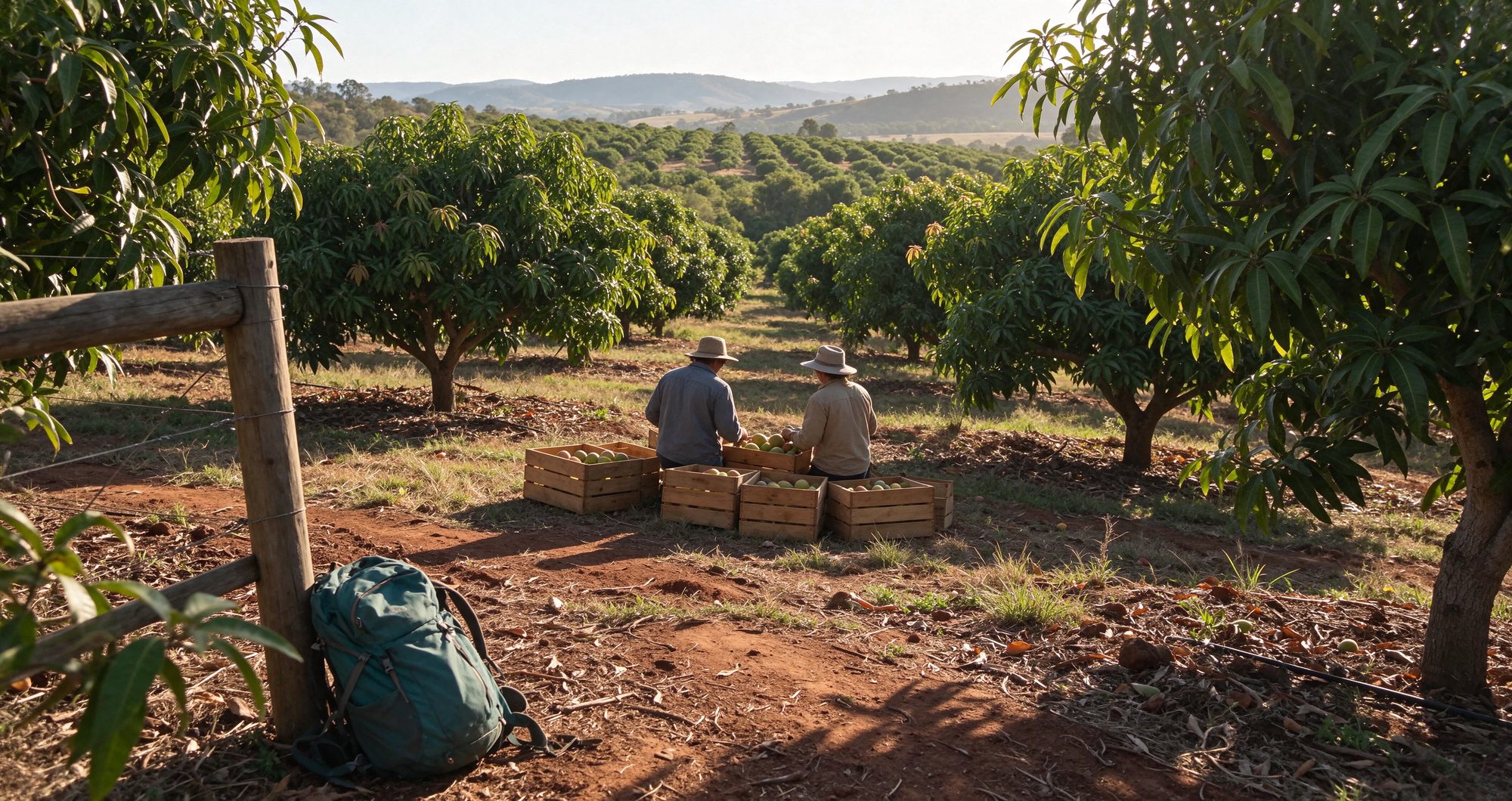

Australia has revised its planned working-holiday visa overhaul, raising the proposed allocation for third-year backpackers from 5,000 to 25,000 places while increasing the regional work needed to qualify for a second year. The changes announced on Tuesday follow pressure from agriculture, tourism and hospitality businesses concerned about their supply of seasonal workers.
The revised third-year allocation remains below the current level of about 31,000. The second-year allocation will stay at 45,000 places. Home Affairs Minister Tony Burke unveiled the original, more restrictive third-year proposal in September, before consultations with industry and regional representatives reshaped the package.
Longer work requirement from March
From 1 March 2027, applicants seeking a second Working Holiday Maker visa will need to complete 120 days of eligible specified work, up from 88 days. That changes the requirement from three months to four. The six-month work requirement for a third-year visa is not changing.
A transition period will allow eligible applicants to use the existing direct application process until 28 February 2027. To do so, they must both finish their required specified work and lodge a valid visa application by that date. They must also meet the other eligibility conditions.
Finishing the work alone will therefore not be enough to secure access to the old process if an application is lodged after the deadline. Eligible specified work completed before March will, however, continue to count towards the new requirement for applicants using the revised system.
Monthly invitations replace the original approach
The planned November start for the ballot has been delayed and its design changed. Registration for the new process will open on 1 December 2026, with the first invitation round expected in mid-January 2027. Further selections will take place monthly.
The process will cover second and third Working Holiday Maker visas in subclasses 417 and 462. People can register from inside or outside Australia and do not have to finish their specified work before putting their names forward. Those selected will receive a Next Year Regional Work Guarantee.
An invitation will give a selected applicant 12 months to lodge a visa application, provided all eligibility requirements are met. Registering does not guarantee selection, and an invitation neither guarantees that a visa will be granted nor extends an existing visa. Anyone not selected must leave before their current visa expires.
The redesigned arrangement allows travellers to be selected before undertaking the work needed for another year, rather than necessarily completing the work and then entering a draw. The work requirement and the invitation process remain separate conditions for those applying under the new rules from March.
British exemptions remain in place
UK passport holders will remain exempt from the new registration and invitation process. Their existing exemption from specified work also remains unchanged. Under arrangements applying to applications lodged from 1 July 2024, they can receive up to three separate Working Holiday visas without completing that work, subject to other eligibility conditions.
Australia is continuing discussions with the UK about possible future regional work obligations. No agreed change or timetable has been announced. The talks do not alter the exemptions currently available to applicants using an eligible British passport.
The government’s stated aim is to reduce net overseas migration while protecting the labour available to regional businesses. Burke argues that requiring more work from people seeking a second year will help offset lower visa numbers. That is an intended effect of the reforms, rather than an established result.
The National Farmers’ Federation welcomed the revised plan but said more detail was needed on how it would operate. Opposition leader Angus Taylor continued to oppose the ballot and called for it to be abandoned. The package retains limits on further-year places while changing the work commitment and the way travellers are selected.