
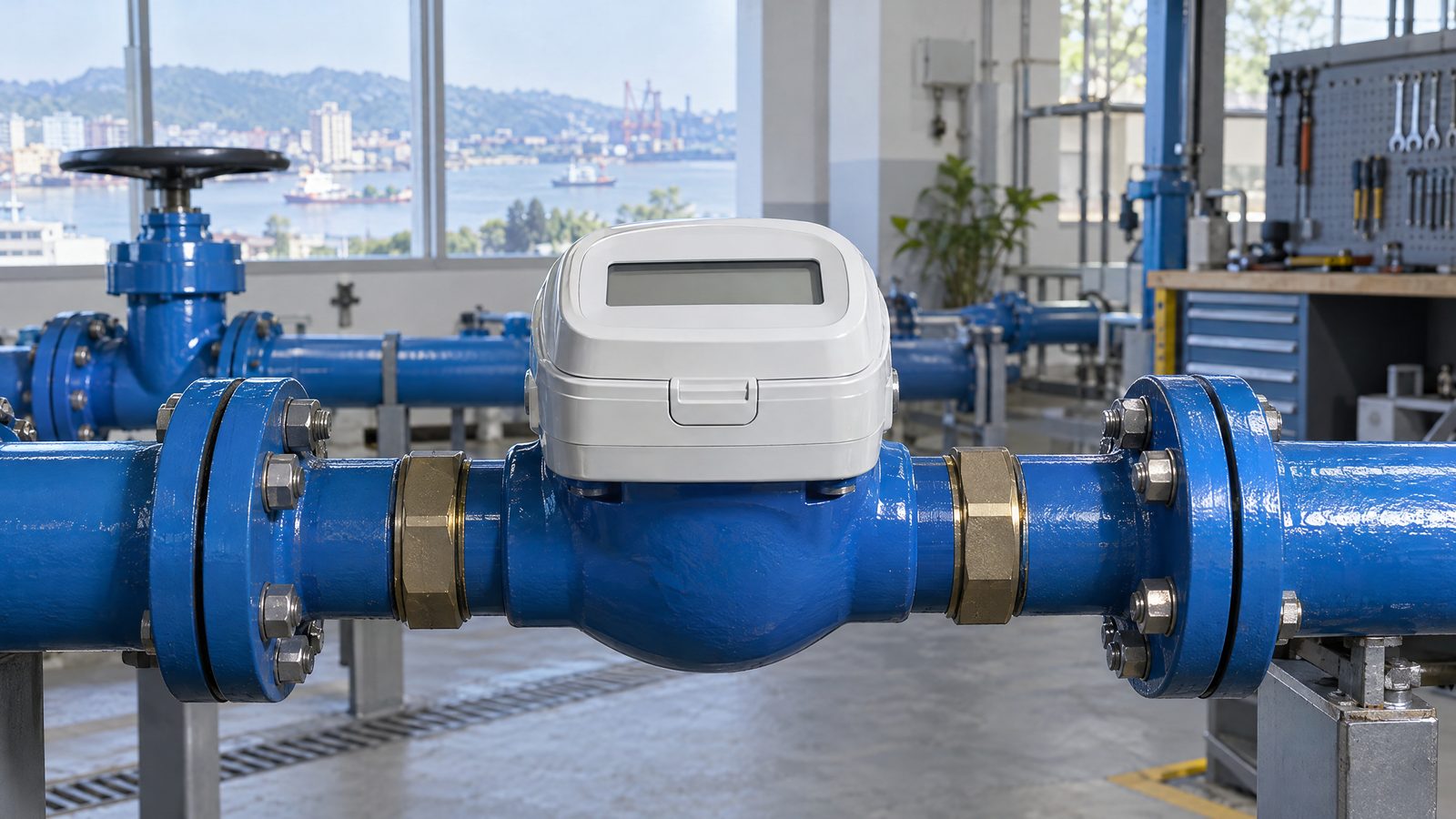

Chattogram water authority targets 90,000 automatic meters by 2030
Chattogram WASA is planning to install 90,000 automatic meter-reading meters by December 2030 as part of the Chattogram Water Supply Improvement Project. The authority says the proposed rollout is intended to reduce water losses, improve revenue collection and limit billing irregularities. It is a forward-looking target rather than confirmation that the meters have already been fitted or that contractors have been appointed.
At present, inspectors collect readings from individual water connections and enter the information into software. Under the planned system, sensors would record consumption automatically. The readings would then be transferred to the software when inspectors visit connection areas each month. The proposal would therefore alter the way usage is captured while retaining a regular operational role for field staff.
The authority has linked the change to concerns about the accuracy of manual reading. A project director said the automated system could reduce the scope for readings to be manipulated by either consumers or inspectors. The stated aim is also to help identify water that does not generate revenue. That category can include physical losses from pipes, unauthorised consumption, metering problems and billing issues. The planned meters are being presented as one part of a wider effort to deal with those weaknesses rather than as a complete solution on their own.
About Tk 100 crore of the Tk 3,921 crore project has been allocated to meter installation. Chattogram WASA has set a target of reducing non-revenue water to 10 per cent through the initiative. That is a target for the project, not a reported current level or a guarantee that the reduction will be achieved by the end date.
The authority’s figures put average non-revenue water at 22.33 per cent in the first six months of 2026. This was lower than the 30 per cent recorded in the 2023-24 financial year, when estimated revenue losses exceeded Tk 100 crore. The earlier and more recent figures indicate improvement, but they also show the remaining distance between the current reported rate and the 10 per cent target attached to the project.
The scale of the proposed rollout is substantial when set beside the existing system. As of June 2026, the authority had 106,339 registered water connections across a 965-kilometre pipeline network. It reported average daily production of 479 million litres of water. The planned number of meters is close to the present number of registered connections, although the announcement does not set out a connection-by-connection installation schedule or say which customers would be reached first.
Procurement has not yet been completed. Several international companies have taken part in the tender process, and their bids are being evaluated before contractors are appointed. Project officials said the authority would initially bear the cost of the meters. A final decision on whether customers could later be charged has not been made.
The announcement sets out a long-term modernisation plan, not a completed service change. Its practical effect will depend on contract awards, installation and the operation of the new system over time. For customers, the unresolved question is not only when an automatic meter might be fitted, but also whether any eventual charge will be introduced. For the authority, the central test will be whether the rollout helps move non-revenue water towards the stated 10 per cent target by December 2030.







