
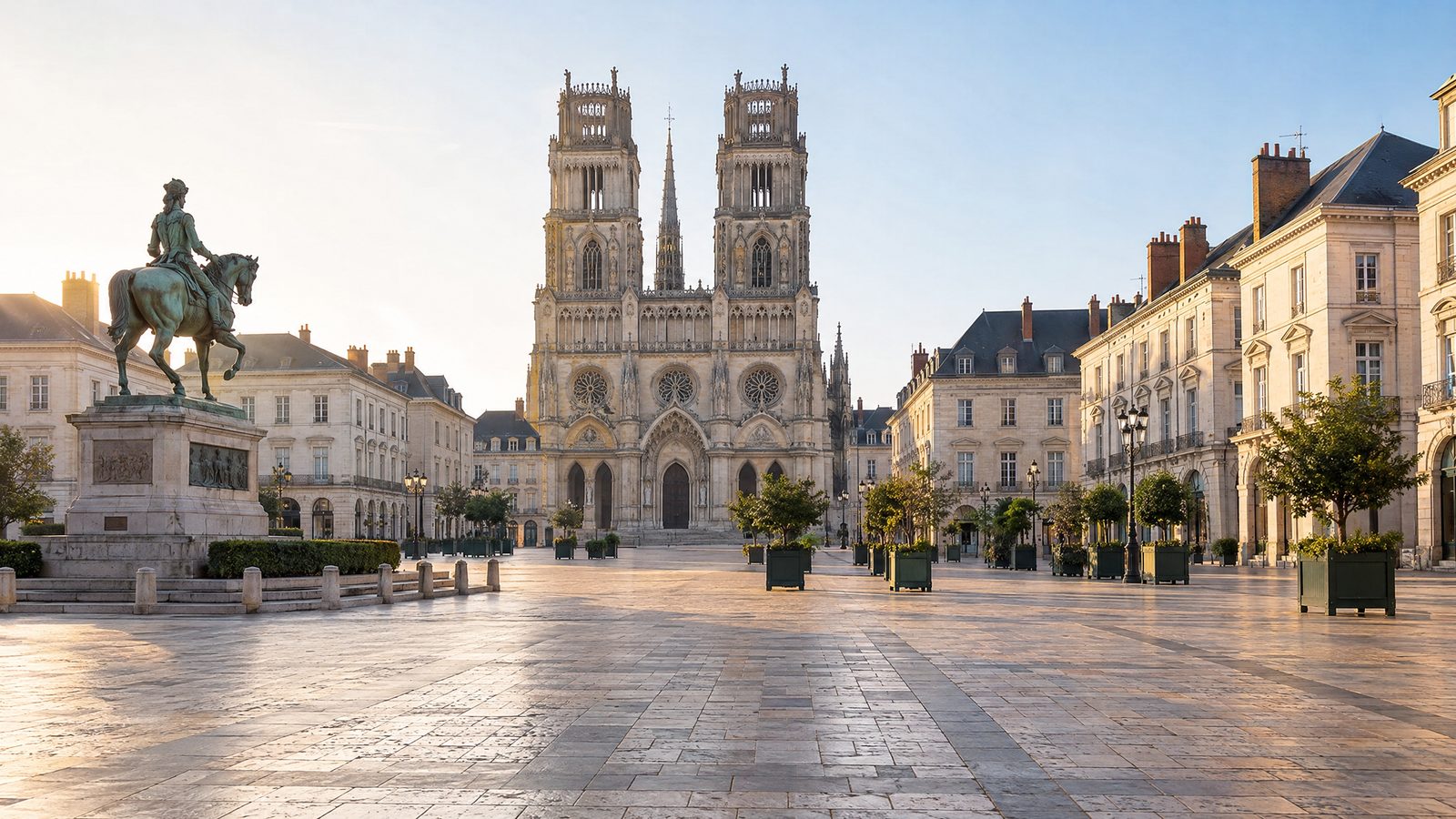

Marine Le Pen begins French presidential campaign in Orléans
Marine Le Pen has formally begun her campaign for France’s 2027 presidential election at a rally in Orléans, using her first major campaign address to set out a programme centred on policing, immigration controls, national sovereignty and economic restraint.
The meeting on Sunday formed part of the National Rally’s congress in the city. The party had presented the final day of its gathering as its first major presidential-election meeting, and Le Pen used the occasion to place security and authority at the centre of her bid for the presidency.
Her speech focused heavily on law and order. Le Pen said the state’s first responsibility was to keep people safe and argued for tougher policing. She proposed a more uncompromising approach to criminality, saying that cases should be pursued and that penalties should be carried out. The campaign also set out a tougher approach to gangs and drug trafficking.
On immigration, Le Pen proposed restoring border controls and described an approach built around both French and European borders. She said her programme would provide for the automatic expulsion of foreign offenders. Those are campaign pledges, rather than measures now in force, and no immediate change to French border, policing or immigration policy was announced at the rally.
The address also returned to themes of national identity and sovereignty that have long featured in the National Rally’s message. Le Pen said she wanted to protect France’s language, traditions, values and way of life. She coupled that argument with a call for national priority and for France to regain greater control over its laws and borders within Europe.
Her economic message was more restrained in tone but still broad in scope. Le Pen pledged tighter control of public spending, lower taxes for businesses and less bureaucracy. She also presented support for industry, innovation and artificial intelligence as part of her programme, while opposing further increases in the retirement age. The speech did not set out a costed timetable for those proposals or identify which measures could be delivered without further legislative action.
Le Pen’s appearance came after Jordan Bardella was confirmed again as the National Rally’s party president during the congress. The two leaders used the weekend to underline their partnership ahead of the election. Le Pen said she would seek to form a national-unity government led by Bardella if she won the presidency, a prospect that remains dependent on the outcome of the election and subsequent political negotiations.
The Orléans meeting was therefore a campaign launch rather than a government announcement. Its practical significance lies in setting out the emphasis of Le Pen’s bid at the start of the presidential race: public security, stricter immigration rules, a stronger role for the nation state and an economic case based on lower business costs and reduced regulation. Whether those ideas gain the support needed to shape government policy will be decided through the election process.
For now, the speech gives the campaign a defined opening position. It places law and order at the forefront, presents border control as a central test of sovereignty and offers economic measures intended to appeal to businesses and voters concerned about living costs. The proposals remain subject to debate during the campaign and would require democratic and legal processes before any could become public policy.







