
A steady supply of ice might seem like a small detail, but in an office environment, it plays a surprisingly important role. Whether you’re serving chilled beverages during a client presentation, keeping the break room stocked for employees on a hot afternoon, or catering a company event, reliable ice production reflects professionalism and attention to comfort. Yet for many small business owners, choosing the right ice maker feels overwhelming. The market is flooded with options, and finding a machine that delivers the right capacity, holds up under daily use, and remains easy to maintain—all without breaking the budget—can be a real challenge.
This guide is designed to simplify that decision. We’ll walk you through assessing your office’s specific ice needs, identifying the features that matter most in commercial ice makers, comparing different machine types, and evaluating high production ice models with confidence. You’ll also find practical maintenance tips to protect your investment for years to come. By the end, you’ll have a clear roadmap for selecting an ice maker that keeps your office running smoothly and your team—and clients—well served.
Understanding Your Office Ice Maker Needs: The First Step to Efficiency
Before browsing models or comparing brands, the smartest move you can make is stepping back to assess what your office actually requires. An ice maker that’s perfect for a ten-person startup won’t cut it for a bustling agency that hosts weekly client meetings, and oversizing your machine wastes both money and valuable workspace. Getting this foundational step right ensures every dollar you spend delivers real value.
Calculating Ice Production Requirements for Small Businesses
A practical starting point is estimating that each person in your office will use roughly one to two pounds of ice per day—enough for a few cold drinks and the occasional iced coffee. For a team of twenty, that puts your baseline around twenty to forty pounds daily. But don’t stop there. If your office regularly hosts clients, factor in an additional half-pound per visitor. Companies that cater lunch meetings or hold monthly events should add a buffer of twenty to thirty percent above their daily estimate to avoid running short during peak demand. A small consulting firm with five employees and occasional visitors might get by with fifteen pounds per day, while a real estate office with heavy foot traffic could easily need sixty pounds or more. Matching your ice maker to these real-world patterns—not just headcount—prevents the frustration of an empty bin right when you need it most.
Space and Installation Considerations for Commercial Settings
Once you know your production target, turn your attention to where the machine will actually live. Measure the available counter or floor space carefully, and check proximity to a water supply line and a drain—most commercial ice makers require both. Electrical access matters too; confirm that a dedicated outlet with the correct voltage is within reach. Freestanding units offer flexibility since you can reposition them as your office layout evolves, making them a solid choice for growing businesses. Built-in or undercounter models, on the other hand, integrate seamlessly into break room cabinetry for a cleaner look, though they demand precise measurements and sometimes professional installation. Whichever route you choose, leave a few inches of clearance around the unit for proper airflow, which directly impacts efficiency and lifespan.
Key Features to Look for in Commercial Ice Makers
Once you’ve nailed down your production needs and installation plan, the next step is understanding which features separate a dependable commercial ice maker from one that will leave you frustrated within months. Not every machine is built for the demands of an office environment, where daily use, varying demand cycles, and hygiene standards all come into play. Focusing on the right characteristics upfront saves you from costly replacements and ensures your investment pays off over the long haul.
Ice Production Capacity and Speed: Meeting Demand
When reviewing specifications, pay close attention to two numbers: the daily production rate and the bin storage capacity. The production rate tells you how many pounds of ice the machine can generate in a twenty-four-hour cycle under ideal conditions, while the bin capacity indicates how much finished ice it can hold at any given time. Both matter, but they serve different purposes. A machine with high production ice output but a small bin may struggle during peak hours because it can’t stockpile enough to meet a sudden rush—think of a Monday morning when everyone wants iced coffee at once. Look for a recovery rate that matches your busiest periods, meaning the machine can replenish its supply quickly after heavy draws. If your office experiences predictable spikes, such as post-lunch or during afternoon meetings, choose a unit whose cycle time allows it to recover within an hour or two. Reading the specifications in context of your actual usage patterns, rather than relying solely on the headline number, ensures the machine performs when it counts most and keeps your team and clients served without awkward delays.
Ease of Cleaning and Maintenance for Longevity
Durability isn’t just about rugged construction—it’s also about how easily you can keep the machine in top condition. Commercial ice makers that feature removable components, such as water troughs, distribution tubes, and drip trays, dramatically reduce the time and effort required for routine cleaning. Self-cleaning cycles are another valuable feature; these automated rinse programs flush the internal water system at the push of a button, helping prevent mineral buildup between deeper manual cleanings. Accessible water filters that slide out without tools make replacements quick, which is important because neglected filters are one of the leading causes of poor ice quality and premature breakdowns. Antimicrobial surfaces on interior components add an extra layer of hygiene protection, reducing mould and slime growth in hard-to-reach areas. Beyond the machine itself, consider the warranty and manufacturer support available. A comprehensive warranty covering the compressor and major parts for at least a few years signals that the brand stands behind its product. Responsive customer support and readily available replacement parts mean that if something does go wrong, your downtime stays minimal and your office ice supply gets back on track fast.
Types of Office Ice Machines and Their Benefits
With your production requirements and must-have features mapped out, the next decision is choosing the right type of machine. Commercial ice makers come in three primary configurations—modular, undercounter, and countertop—and each serves a distinct purpose depending on your office size, layout, and daily demand. The type of ice a machine produces also matters more than most buyers expect, since cube, nugget, and flake ice each suit different applications. Understanding these distinctions helps you invest in a machine that fits naturally into your workflow rather than forcing compromises.
Modular Ice Makers for High-Volume Offices
Modular ice makers are the workhorses of commercial ice production. These units consist of a separate ice-making head that sits on top of a storage bin or a dispenser, and they’re designed for environments where demand is consistently high. If your office has fifty or more employees, hosts frequent catered events, or operates a shared break room that doubles as a hospitality space for visiting clients, a modular setup delivers the high production ice volume needed to keep pace. Because the head and bin are independent components, you can scale storage capacity up or down by swapping the bin size without replacing the entire machine. The trade-off is footprint—modular units require dedicated floor space and professional installation, so they work best in offices with a utility closet, back-of-house area, or generously sized kitchen. For businesses that simply cannot afford to run out of ice during peak hours, the investment in a modular system pays for itself through sheer reliability.
Undercounter and Countertop Models for Space Efficiency
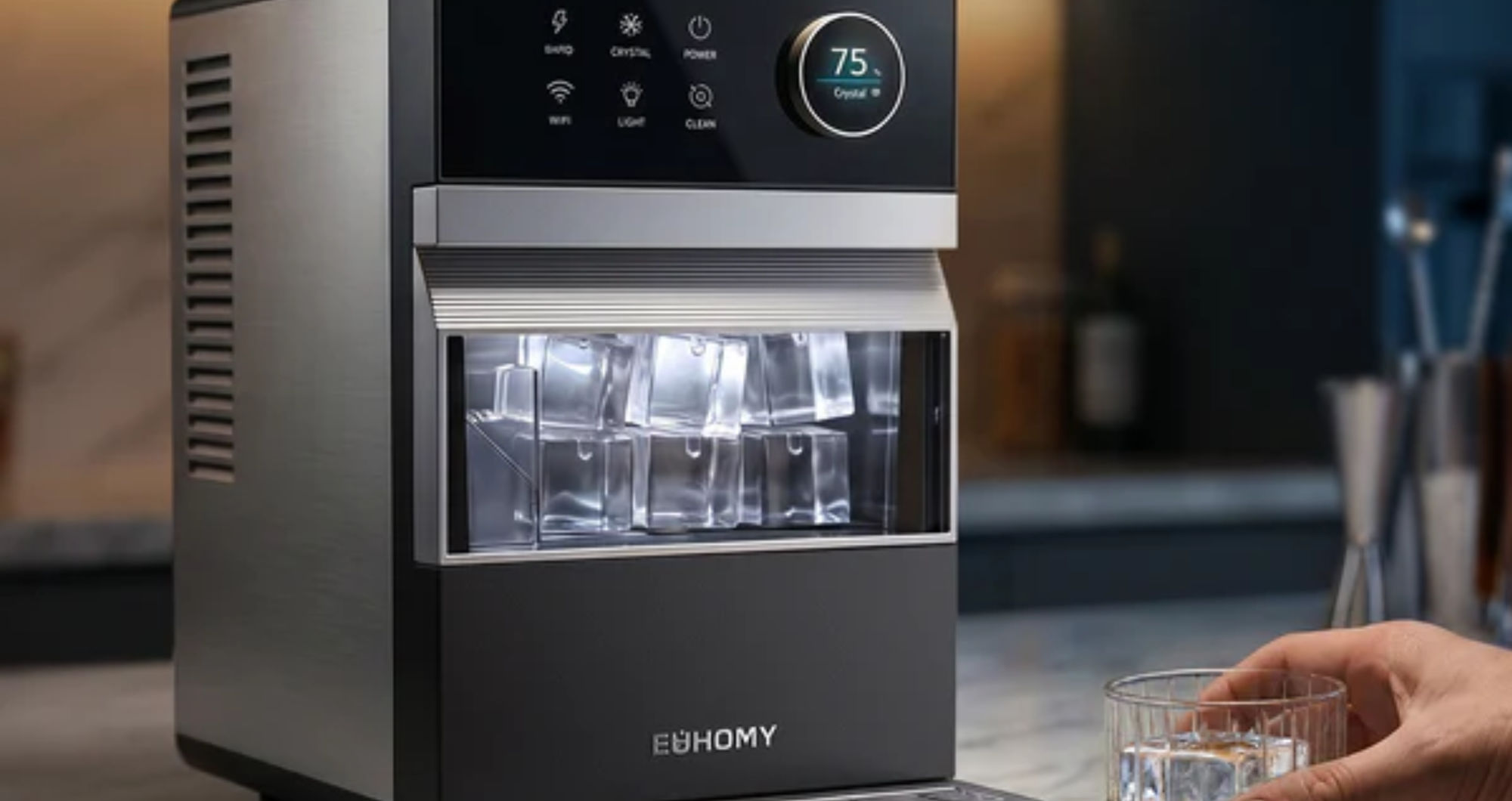
Not every office has room for a full-size modular unit, and that’s where undercounter and countertop models shine. Undercounter ice machines tuck neatly beneath a standard counter, combining the ice-making mechanism and storage bin in a single compact cabinet. They blend into break room cabinetry for a polished, built-in appearance and typically produce enough ice for small to mid-sized teams—making them a popular choice among office ice machines for businesses with fifteen to forty employees. When selecting an undercounter model, verify that your cabinetry dimensions accommodate the unit and that ventilation clearances are met, since restricted airflow in a tight enclosure can reduce efficiency. Countertop models go a step further in portability. Compact countertop units from brands like Euhomy sit on any stable surface, require only a standard electrical outlet and a water connection, and can be relocated easily if your office reconfigures its layout. They’re ideal for satellite break stations, executive suites, or small teams that need a dedicated ice source without committing to a permanent installation. The compromise is capacity—countertop machines produce less ice per cycle—so they’re best suited for offices with modest daily demand or as a supplement to a larger primary unit. Matching the machine type to your space and usage pattern ensures you get consistent ice without sacrificing valuable square footage.
How to Evaluate High Production Ice Makers: A Practical Guide
Knowing what you need and which machine type fits your office is only half the equation—you also need a reliable method for comparing specific models side by side. A structured evaluation process keeps you from being swayed by flashy marketing and ensures the commercial ice maker you choose actually delivers under real-world conditions.
Understanding Technical Specifications and Performance Metrics
Start by looking beyond the headline production number. The harvest rate—how quickly the machine completes a single ice-making cycle—tells you more about real performance than the daily output figure alone, because a faster harvest means the unit recovers sooner after heavy use. Check the BTU rating as well; this measures the cooling power of the refrigeration system, and a higher rating generally translates to more efficient ice production, especially in warmer office environments where ambient heat can slow output. Energy ratings deserve equal attention. Machines certified for energy efficiency consume less water and electricity per pound of ice produced, which adds up to meaningful savings over months of continuous operation. Once you’ve shortlisted two or three models based on specs, dig into verified customer reviews from businesses similar to yours. Look for consistent comments about output reliability over time, noise levels during operation, and how the machine handles sustained peak demand rather than occasional use. If a supplier offers a trial period or in-person demonstration, take advantage of it—running the unit through a busy afternoon in your actual break room reveals performance gaps that spec sheets never will. This hands-on comparison, combined with careful attention to high production ice metrics and brand reputation, gives you the confidence to invest in a commercial ice maker that truly meets your office’s daily demands.
Maintenance and Cleaning Tips for Durable Ice Machines
Even the best commercial ice maker will underperform—or fail entirely—without consistent upkeep. Regular maintenance protects your investment, ensures the ice your team and clients consume meets hygiene standards, and prevents the kind of unexpected breakdowns that leave your break room without ice on the busiest day of the week. The good news is that most routine care is straightforward and doesn’t require a technician.
Step-by-Step Cleaning and Descaling Procedure
Plan to deep-clean your ice maker at least once a month, or more frequently if your office has hard water. Begin by turning off the machine and unplugging it from the power source. Empty the bin completely, discarding any remaining ice. Remove all detachable components—water troughs, distribution lines, drip trays, and ice deflectors—and soak them in a manufacturer-approved cleaning solution for fifteen to twenty minutes. While those parts soak, wipe down the interior walls and the evaporator plate with the same solution, paying special attention to corners and crevices where mineral scale and biofilm tend to accumulate. Rinse every surface and component thoroughly with clean water to eliminate chemical residue, then reassemble the unit. Run two full ice cycles and discard the ice from both batches before returning the machine to regular service. This ensures no cleaning solution traces end up in anyone’s drink. Keeping a simple log of each cleaning date helps you stay on schedule and provides documentation if a warranty claim ever arises.
Preventive Maintenance to Avoid Downtime
Between deep cleans, a few proactive habits go a long way. Check the water supply line monthly for leaks, kinks, or slow flow that could starve the machine and reduce output. Replace the water filter on the schedule recommended by the manufacturer—typically every six months—because a clogged filter forces the system to work harder and introduces sediment that accelerates scale buildup. Inspect the condenser coils quarterly and brush away dust or lint, since dirty coils cause the compressor to overheat and shorten its lifespan. Monitor ice quality as an early warning system: cloudy, misshapen, or smaller-than-usual cubes often signal mineral deposits or a failing component before any mechanical symptom appears. Finally, schedule a professional servicing at least once a year. A trained technician can test refrigerant levels, calibrate sensors, and catch wear on seals or gaskets that are easy to overlook. These preventive steps keep your office ice machines running at peak reliability, so your team never has to scramble for a backup plan during an important meeting or event.
Making the Right Ice Maker Investment for Your Office
Selecting the right ice maker for your office doesn’t have to be complicated when you approach the decision methodically. Start by honestly assessing your daily ice needs—factoring in headcount, client visits, and event frequency—so you avoid both shortages and overspending. From there, prioritise the features that matter most in a commercial ice maker: sufficient production capacity to handle peak demand, a recovery speed that keeps up with busy periods, energy efficiency to control operating costs, and a design that makes routine cleaning simple rather than a chore you’ll put off.
Choosing the right machine type is equally important. Modular units serve high-volume offices with unmatched output, undercounter models deliver a clean look without consuming floor space, and countertop machines offer flexibility for smaller teams or supplementary stations. Whichever configuration you select, evaluate specific models by digging into real performance metrics—harvest rates, energy certifications, and verified user feedback—rather than relying on marketing claims alone. Finally, protect your investment with consistent maintenance: monthly deep cleans, timely filter replacements, quarterly condenser inspections, and annual professional servicing will keep your office ice machines running reliably for years. A dependable ice supply is a small detail that speaks volumes about how you run your business, ensuring employees stay comfortable and clients feel genuinely welcomed every time they walk through your door.