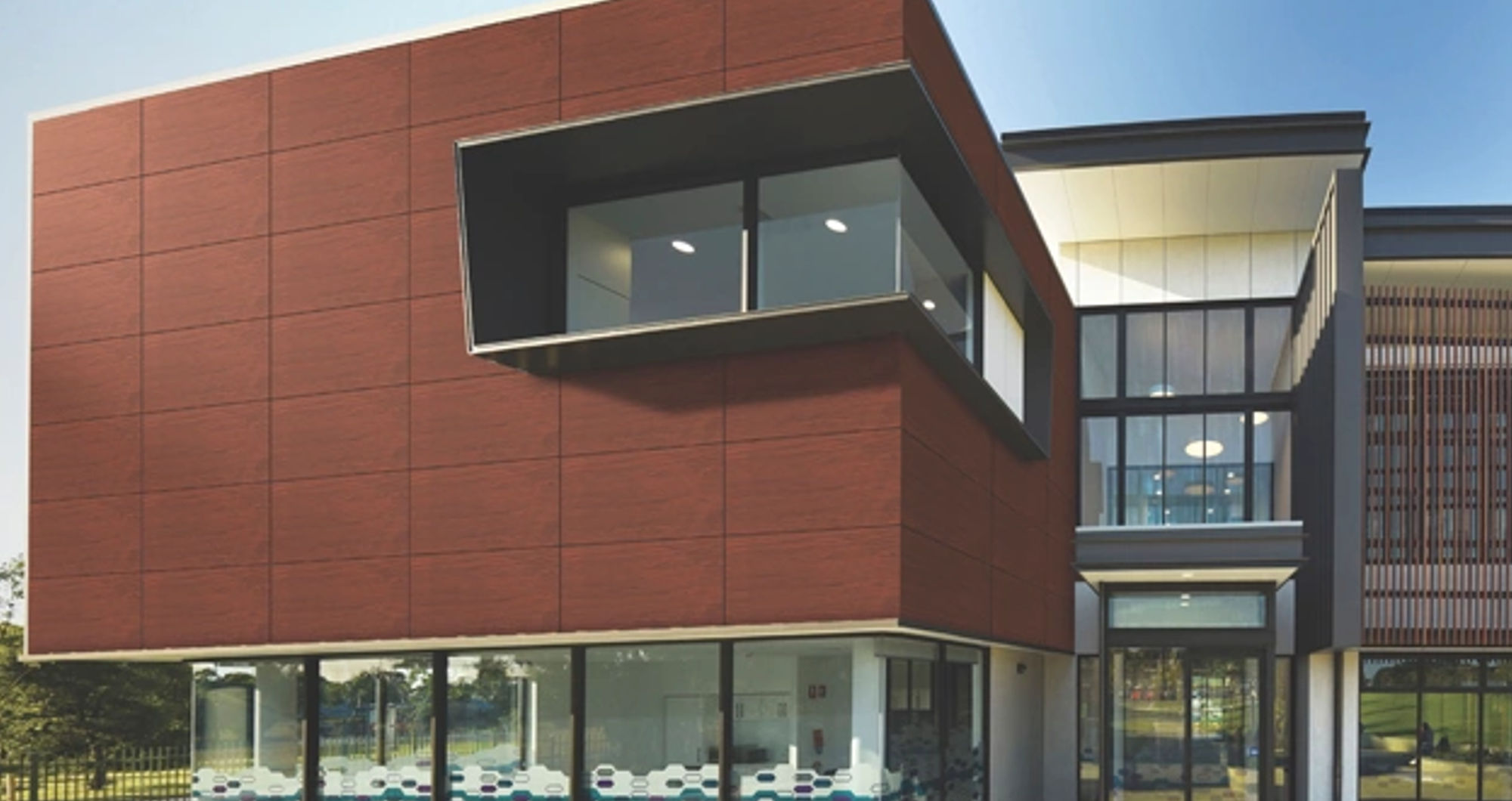

In the world of modern construction, commercial buildings must be durable, energy-efficient, and visually appealing. One of the most effective ways to achieve these goals is through high-quality cladding systems. This is where commercial cladding contractors play a crucial role. They specialise in installing protective and decorative layers on the exterior of buildings, ensuring both structural protection and aesthetic value.
Commercial cladding has become an essential part of contemporary architecture, used in offices, shopping centres, warehouses, industrial buildings, and many other commercial properties. With the expertise of professional contractors, businesses can significantly improve the appearance, performance, and lifespan of their buildings.
This article explores the role of commercial cladding contractors, the benefits of cladding, the types of materials used, and why hiring professionals is important for successful installation.
What Is Commercial Cladding?
Commercial cladding refers to the installation of an external layer of material on a building’s surface. This layer acts as a protective barrier against environmental elements such as rain, wind, sunlight, and temperature changes. In addition to protection, cladding also enhances the visual appeal of commercial structures.
Commercial cladding contractors are responsible for designing, supplying, and installing these cladding systems. They work closely with architects, engineers, and construction teams to ensure that the cladding fits the building’s design and meets safety standards.
Cladding is commonly used in:
- Office buildings
- Shopping malls
- Industrial warehouses
- Hotels and hospitality facilities
- Educational institutions
- Healthcare buildings
The right cladding system can transform the appearance of a building while providing long-term protection.
The Role of Commercial Cladding Contractors
Commercial cladding contractors are professionals who specialise in the installation and maintenance of exterior cladding systems. Their expertise ensures that the cladding is installed correctly and performs effectively over time.
Their responsibilities typically include:
- Evaluating building structures
- Recommending suitable cladding materials
- Installing cladding panels and insulation systems
- Ensuring compliance with building regulations
- Performing maintenance and repairs
Professional contractors also focus on safety, using proper equipment and techniques to complete projects efficiently.
Because commercial buildings often involve large surfaces and complex architectural designs, experienced contractors are essential for achieving high-quality results.
Benefits of Commercial Cladding
Commercial cladding offers several advantages that make it a popular choice for modern buildings.
1. Improved Building Protection
One of the main functions of cladding is to protect the structure of a building. It acts as a shield against harsh weather conditions, including rain, wind, and UV radiation.
Without proper exterior protection, building materials can deteriorate over time. Cladding helps extend the lifespan of the structure by preventing moisture damage and corrosion.
2. Enhanced Energy Efficiency
Energy efficiency is a major concern for commercial property owners. Cladding systems often include insulation layers that help regulate indoor temperatures.
This insulation reduces heat loss during winter and keeps buildings cooler during summer. As a result, businesses can lower their energy consumption and reduce utility costs.
3. Modern Aesthetic Appeal
Cladding dramatically improves the visual appearance of commercial properties. Contractors can install cladding in a variety of designs, colors, and textures that match the building’s architectural style.
A well-designed exterior creates a positive impression on clients, customers, and visitors. In competitive business environments, an attractive building can enhance a company’s professional image.
4. Low Maintenance Requirements
Many cladding materials are designed to be highly durable and resistant to environmental damage. This means that building owners do not need to spend large amounts on maintenance and repairs.
Cladding materials such as aluminium, steel, and fibre cement are particularly popular because they require minimal upkeep while maintaining their appearance for many years.
5. Increased Property Value
Upgrading a commercial building with high-quality cladding can increase its market value. Modern exteriors make properties more attractive to potential buyers, investors, and tenants.
For businesses planning long-term investments, cladding is an effective way to improve both functionality and property value.
Types of Commercial Cladding Materials
Commercial cladding contractors work with various materials depending on the project’s design requirements, budget, and environmental conditions.
Metal Cladding
Metal cladding is widely used in commercial buildings due to its strength and durability. Materials such as aluminium and steel provide excellent weather resistance and a sleek, modern appearance.
Metal cladding is commonly used for office buildings, industrial facilities, and large retail spaces.
Composite Cladding
Composite cladding panels combine multiple materials to create a lightweight yet durable exterior solution. These panels are known for their flexibility in design and are available in many colors and finishes.
Composite cladding is popular in modern architectural projects because of its aesthetic versatility.
Fibre Cement Cladding
Fibre cement cladding is made from a mixture of cement, sand, and cellulose fibres. It offers excellent durability and resistance to fire, moisture, and pests.
This material is often used in commercial and residential buildings because it provides both strength and an attractive finish.
Timber Cladding
Timber cladding is chosen for its natural and elegant appearance. It is commonly used in hospitality buildings, restaurants, and eco-friendly architectural projects.
Although timber requires more maintenance than some other materials, it creates a warm and unique aesthetic.
Why Hiring Professional Cladding Contractors Is Important
Installing cladding is a complex process that requires technical knowledge and precision. Hiring experienced commercial cladding contractors ensures that the job is done safely and effectively.
Professional contractors provide several key benefits:
Expertise and Experience
Experienced contractors understand different cladding systems and installation techniques. They can recommend the best materials and methods for each project.
Compliance with Safety Standards
Commercial buildings must follow strict construction regulations. Professional contractors ensure that cladding installations meet all relevant safety and building codes.
Efficient Project Management
Large commercial cladding projects require careful planning and coordination. Contractors manage the entire process, from material selection to installation and final inspection.
Long-Term Reliability
Properly installed cladding systems last longer and perform better. Professional installation reduces the risk of structural issues or costly repairs in the future.
Choosing the Right Commercial Cladding Contractor
Selecting the right contractor is an important step in any construction or renovation project.
When choosing a commercial cladding contractor, consider the following factors:
- Experience in commercial projects
- Positive customer reviews and reputation
- Knowledge of different cladding materials
- Compliance with industry standards
- Transparent pricing and project timelines
Working with a reliable contractor ensures that your project is completed successfully and meets your expectations.
Conclusion
Commercial cladding has become a vital component of modern building design. It not only protects structures from environmental damage but also enhances their appearance, energy efficiency, and long-term value.
Commercial cladding contractors play an essential role in delivering these benefits by providing expert installation and maintenance services. Their knowledge of materials, construction techniques, and safety regulations ensures that cladding systems perform effectively for many years.