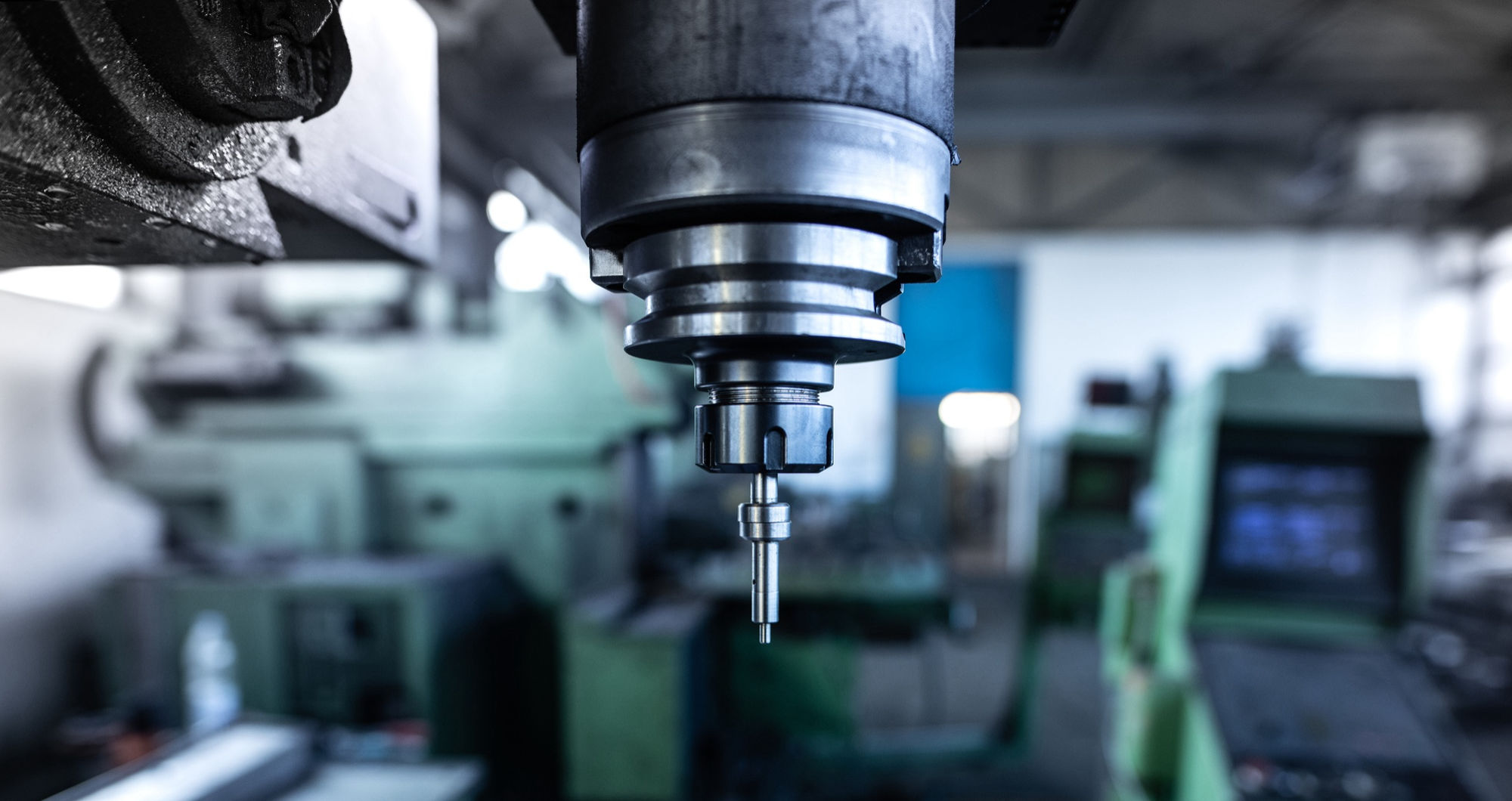

CNC milling is a game-changer in modern manufacturing, but even seasoned machinists sometimes stumble over common pitfalls. Whether you’re a hobbyist or a professional, understanding the nuances of CNC milling can save you time, money, and a lot of headaches. Today, I want to walk you through some of the most frequent mistakes people make—and how to avoid them.
Let’s dive right in and ensure your CNC milling projects run smoother than ever.
Misunderstanding CNC Milling Fundamentals
Skipping the Learning Curve
One of the biggest mistakes beginners make is diving straight into CNC milling without fully understanding the basics. CNC milling isn’t just about pushing buttons; it’s about knowing how your machine moves, how cutting tools interact with materials, and how to read and interpret designs accurately.
For example, misunderstanding feed rates and spindle speeds can cause tool breakage or poor surface finishes. Before attempting a complex project, spend time on smaller parts and practice with scrap material. Trust me, it’s worth it.
Overlooking Material Properties
Another common error is ignoring the properties of the material you’re milling. Aluminium, steel, and plastics all behave differently. Aluminium might be forgiving at higher speeds, but steel can wear down tools quickly if you’re not careful.
CNC milling requires adapting your approach to the material at hand. Knowing the differences in hardness, heat tolerance, and machinability will save you from costly mistakes.
Neglecting the Importance of a Proper Workholding Setup
A secure workholding setup is crucial in CNC milling. Skimping on clamps or fixturing can lead to movement during machining, ruining your part. Think of it this way: no matter how perfect your CNC program is, if your workpiece shifts, the results will be disastrous.
Always double-check that your piece is firmly secured before hitting start.
Programming Pitfalls in CNC Milling
Ignoring the Role of G-Code
G-Code is the language that tells your CNC machine how to move, cut, and operate. Skipping a thorough understanding of G-Code can be a costly mistake.
For instance, accidentally reversing an axis or using the wrong coordinate system can ruin a part within seconds. Even if you rely on CAM software, it’s important to understand what the generated G-Code is doing.
Overcomplicating Your Toolpaths
Beginners often think that more complexity equals better results. In reality, overly complex toolpaths can increase cycle times and wear down tools unnecessarily.
Simpler, optimised toolpaths often achieve cleaner cuts and save material. I’ve seen machinists spend hours perfecting a convoluted path, only to realise a more straightforward approach worked just as well—if not better.
Forgetting to Simulate
Skipping simulation is a recipe for disaster. Most CAM software has a simulation feature, but too many people hit “run” without checking for collisions or errors. Simulating your toolpaths first can save a broken tool, a damaged workpiece, or even harm to the machine itself.
Tool Selection and Maintenance Mistakes
Using the Wrong Cutting Tools
Not all end mills are created equal. Using the wrong tool for a material or feature is a common mistake in CNC milling.
For example, using a high-speed steel tool on hardened steel will lead to rapid wear. On the other hand, carbide tools might be overkill for soft plastics. Understanding which tool fits each application will make your CNC milling process more efficient and accurate.
Neglecting Tool Maintenance
Even the best tools wear out over time. Dull or chipped tools reduce cut quality and increase the chances of ruining a part. Regular inspection and maintenance of cutting tools are essential.
I make it a habit to check my end mills before every job. A tiny chip you ignore can turn into a costly mistake.
Failing to Optimise Tool Paths for Tool Life
Tool life isn’t just about using the right material; it’s also about how you use it. High feed rates, excessive depth of cut, and poor tool engagement can dramatically shorten your tool’s lifespan dramatically.
Optimising these parameters isn’t just about cost savings—it also improves the quality of your CNC milling results.
Machine Setup and Operation Errors
Poor Calibration
A misaligned machine can lead to dimensional inaccuracies, rough surfaces, and even machine damage. Regular calibration of your CNC milling machine is non-negotiable.
Check axis alignment, spindle runout, and table levelling regularly. Trust me, a few minutes spent calibrating will save hours of frustration.
Ignoring Thermal Expansion
Machines and workpieces expand as they heat up. Ignoring thermal effects can result in parts being out of spec. This is especially true for high-precision CNC milling.
Keep an eye on your machine’s temperature and consider strategies like finishing cuts after the machine warms up.
Rushing the Setup
Setup is where many mistakes start. Rushing to get the first cut can lead to misaligned workpieces, wrong tools, or improper feeds and speeds.
Take your time. Triple-check measurements and settings before hitting “start.” You’ll avoid a lot of heartache and wasted material.
Mistakes in Post-Processing
Skipping Deburring
After CNC milling, sharp edges and burrs are common. Ignoring this step can lead to poor assembly fits and even safety hazards.
Deburring may seem tedious, but it’s crucial for both aesthetics and functionality. Use proper hand tools or automated solutions, depending on the part.
Not Inspecting Parts Thoroughly
Skipping inspection is like driving blindfolded. CNC milling can produce highly precise parts, but mistakes happen.
Measure critical dimensions, check tolerances, and compare your part against the CAD model. Doing this consistently will save you from sending defective parts down the line.
Overlooking Surface Finish Requirements
Different applications require different surface finishes. Assuming one size fits all is a frequent error in CNC milling.
Adjust your feed rates, cutting tools, and even coolant strategies to achieve the desired surface finish. Remember, a smooth finish isn’t just aesthetic—it can affect part performance.
Operational Habits That Sabotage CNC Milling Success
Ignoring Safety Protocols
Safety is often underestimated. CNC milling involves high-speed rotation, sharp tools, and heavy materials. Ignoring safety can lead to injuries or machine damage.
Always wear protective equipment, follow emergency protocols, and maintain a clean workspace.
Overlooking Documentation
Not documenting settings, material types, or machine issues can turn small mistakes into recurring problems. Keeping a log helps you track what works and what doesn’t, improving efficiency over time.
Relying Solely on Automation
CNC milling is automated, but that doesn’t mean you can completely disengage. Machines can’t compensate for human errors in setup, programming, or tooling choices. Stay engaged, observe the process, and intervene when necessary.
Tips for Avoiding These Mistakes
Continuous Learning
CNC milling technology evolves rapidly. Investing in ongoing training, reading forums, and attending workshops helps you avoid common mistakes.
Test Runs
Before committing to production, run a test piece. This is a small investment of time and material that prevents big losses later.
Collaborate with Experts
Don’t hesitate to ask more experienced machinists for advice. Sometimes, an outside perspective uncovers mistakes you didn’t even know you were making.
Final Thoughts
CNC milling is both an art and a science. Mistakes are inevitable, but most are avoidable with preparation, practice, and attention to detail. By understanding the fundamentals, respecting materials, maintaining your tools, and carefully setting up your machine, you can dramatically reduce errors.
Remember, every experienced machinist has made at least a few of these mistakes at some point. The key is to learn from them and keep improving. CNC milling isn’t just about making parts—it’s about making parts the right way, every time.
With these strategies in mind, your CNC milling projects will be more precise, efficient, and satisfying. Happy milling!
Feature Image by aleksandarlittlewolf from FreePik