
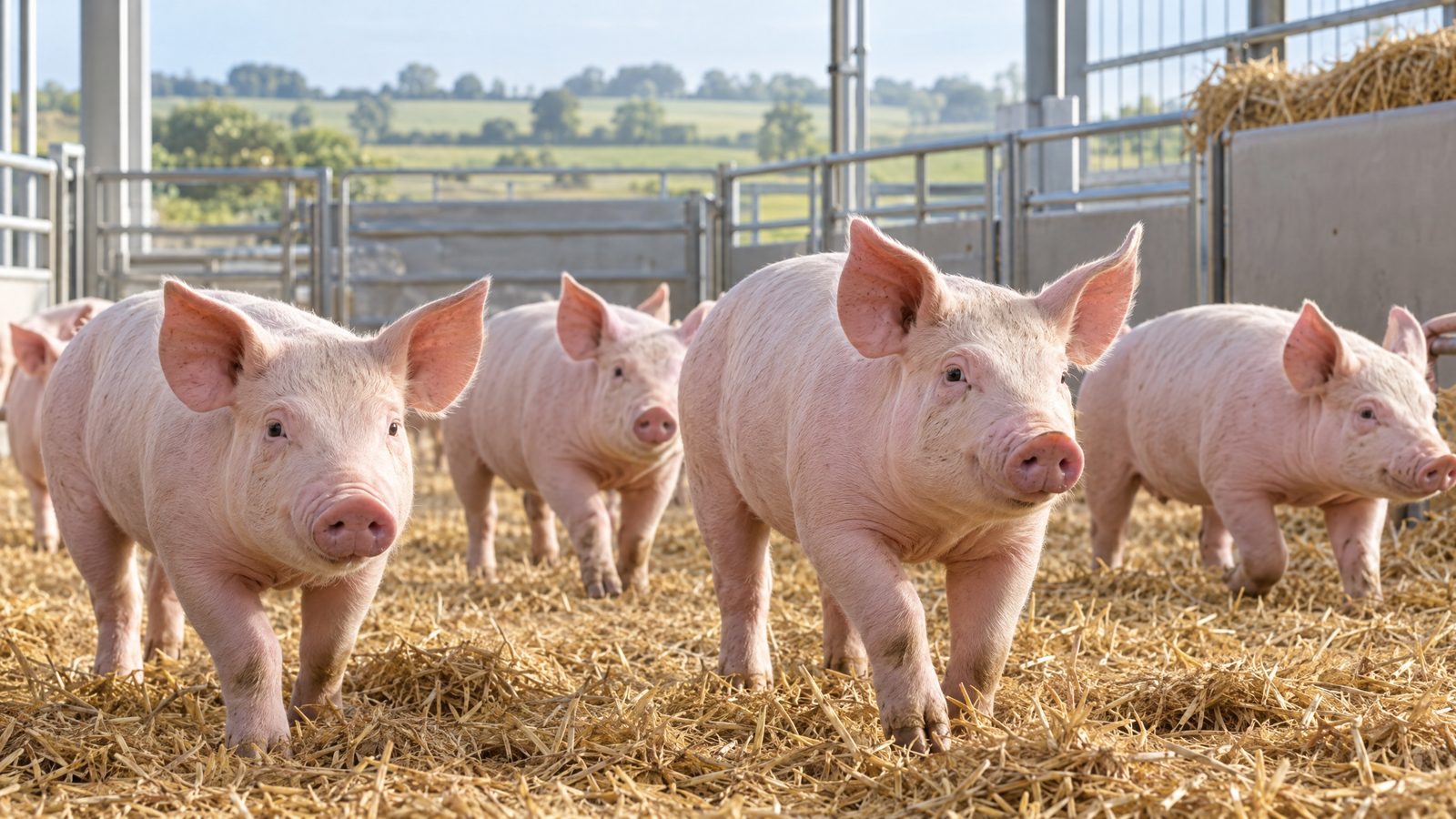

A consultation has opened on proposals to phase out the use of high-concentration carbon dioxide to stun pigs before slaughter. The plan would move the pork industry towards other methods, while seeking views on how a change could be made in practice.
Carbon dioxide is widely used for this purpose in British slaughterhouses. The concern behind the consultation is that exposure to a high concentration of the gas can cause pigs panic and breathing difficulties before they lose consciousness. The proposed change is therefore framed as an animal-welfare measure, with the aim of reducing avoidable distress at the end of an animal’s life.
The alternatives identified in the proposals are argon gas and automated electrical stunning. Both are already legally permitted. The consultation does not present either option as a simple, immediate swap for every business. It asks how a transition could work across a sector that uses different facilities, equipment and supply arrangements.
That distinction matters. This is not a ban that has already taken effect, and it does not set a final deadline for carbon dioxide stunning to end. It is a request for evidence and views before ministers decide how to proceed. The questions cover the potential welfare gains, the cost of change, the practical feasibility of different approaches and the timescale businesses would need to adapt.
For processors, any shift would involve decisions about equipment, operating procedures and staff training. The proposals recognise that the transition will need to be workable for businesses as well as beneficial for animal welfare. The government has been discussing the practicalities with pig processors, equipment manufacturers, gas suppliers and animal-welfare organisations since April 2024.
Those discussions place the consultation in a wider effort to consider what a modern slaughter system should require. The central issue is not whether pigs can be stunned before slaughter, but whether a method that is associated with acute distress should continue where other legally permitted options are available. The consultation puts that question into a formal process rather than treating a future phase-out as settled policy.
It also gives the pork industry, welfare groups, equipment providers and other interested parties an opportunity to test the proposals against day-to-day realities. Costs and feasibility will be part of that assessment alongside the welfare case. That is significant because the outcome could shape how investment decisions are made across affected sites and how quickly any new requirements could be introduced.
There is also a supply question. The proposals note that dependence on carbon dioxide leaves the industry exposed when international events disrupt gas availability. Considering alternative systems could therefore affect both animal-welfare standards and the resilience of slaughter operations, although the consultation does not prescribe a single solution or timetable.
For shoppers, the immediate effect is not a change to what is on sale. The consultation is about the standards behind production and the route towards any future change. Its launch signals that the method of stunning is now under direct policy scrutiny, but the detail of a transition remains open for consultation.
The consultation is open until 21 December 2026. Responses will inform the next decision on whether, and on what timetable, high-concentration carbon dioxide stunning of pigs should be phased out.







