
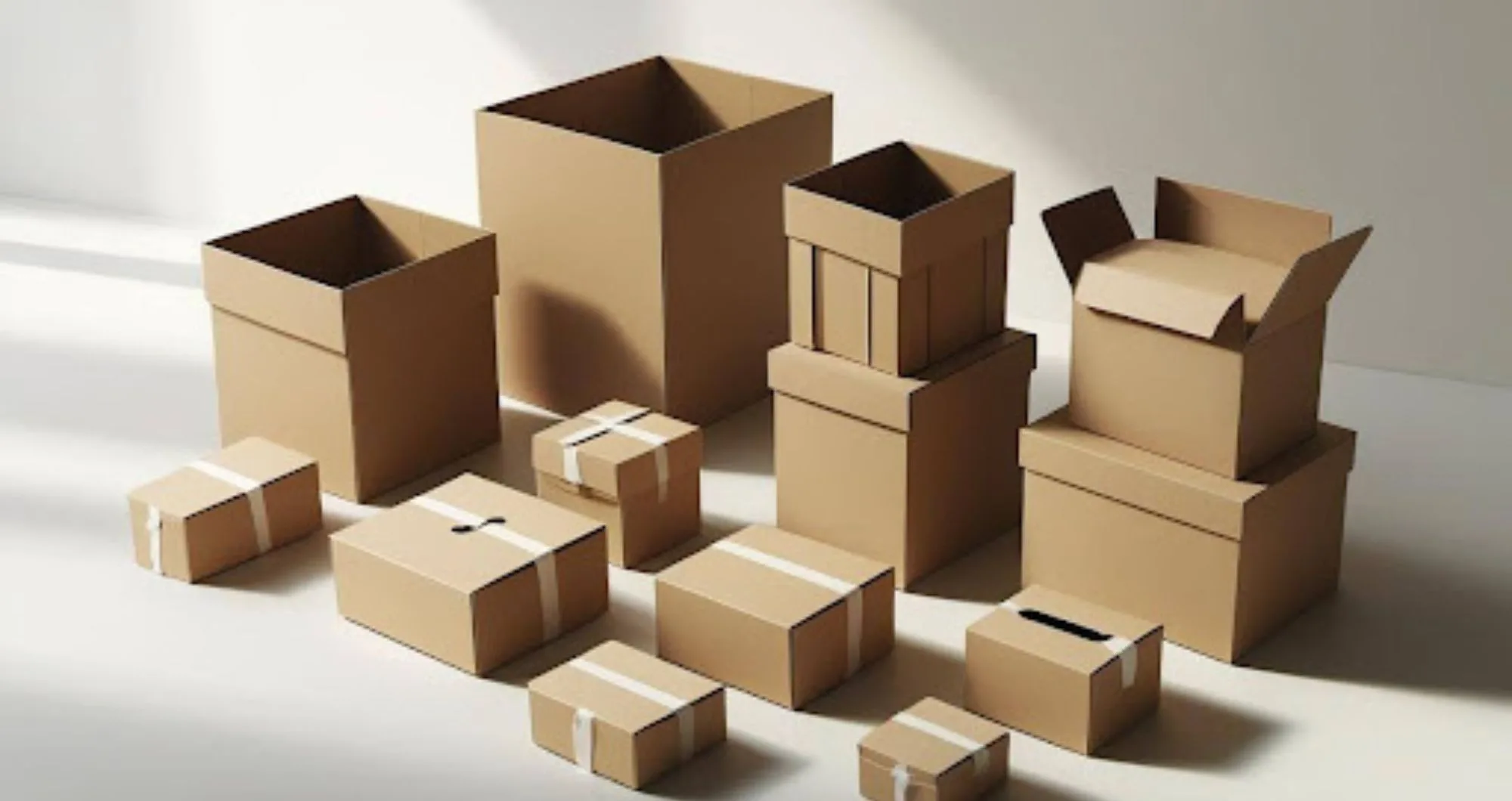

Packaging protects and enhances products. As environmental concerns grow, both companies and consumers are turning to planet-friendly solutions. In 2025, cardboard boxes represent an excellent option—both ecological and professional.
Key points
| Aspect | Advantage |
| Environmental impact | Biodegradable and recyclable materials |
| Customisation | Tailored to product needs and brand identity |
| Cost-effectiveness | Reduced shipping and storage costs |
| Versatility | Suitable for various industries and products |
| Innovation | Ongoing progress in materials and design |
Why eco-design is essential in 2025
In 2025, environmentally responsible packaging is a must. Regulations are stricter, and consumers place greater importance on the impact of their purchases. Custom cardboard boxes allow businesses to reduce their carbon footprint while complying with legal standards. They also improve brand image among eco-conscious consumers.
How cardboard boxes help the environment
Custom boxes are made from biodegradable and often recycled materials, making them more eco-friendly. By 2025, it’s estimated that nearly 80% of the cardboard used for packaging in France will be recycled. Advances in recycling technology now produce recycled cardboard with quality equivalent to new material for many uses.
Cardboard boxes are versatile
Cardboard boxes are suitable for a wide range of uses—from electronics to food products and more. Companies can tailor the size, shape, and design to stand out while remaining eco-conscious. Innovations in manufacturing now allow cardboard to replace plastic in many sectors.
Custom packaging to enhance your brand
Using custom cardboard boxes enhances a company’s image, demonstrating its commitment to the environment. In 2025, consumers favor responsible brands. Custom packaging also improves the unboxing experience, strengthening brand loyalty.
Real-world examples by industry
- E-commerce: Cardboard boxes protect products and reduce waste.
- Cosmetics: Aesthetic and eco-friendly packaging reflects product quality.
- Food industry: Preserves food while minimising plastic use.
- Pharmacies: Custom packaging ensures safe, sustainable delivery and regulatory compliance.
Save money with custom boxes
Custom-sized cardboard boxes reduce shipping costs by eliminating empty space. A 2024 study showed that some companies cut shipping costs by up to 30% using this packaging type. This optimisation improves the entire logistics chain, from production to delivery.
The future of cardboard packaging
Research is underway to create stronger, waterproof cardboard capable of replacing more plastic. Natural additives are being explored to enhance durability and recyclability. New technologies are making cardboard more resistant to moisture and gases.
Aesthetic and high-performance packaging
Designers are creating packaging that combines aesthetics with functionality. Interactive elements such as augmented reality or QR codes are being incorporated to inform and engage consumers, making packaging both useful and appealing.
Eco-friendly printing on cardboard
Companies are adopting eco-friendly inks and sustainable printing methods to reduce their impact. Water-based inks and low-impact printing techniques are increasingly popular. New digital printing technologies enable high-quality results, even in small runs, with minimal waste.
Custom solutions for every business
With the rapid growth of e-commerce, custom cardboard boxes are evolving to meet new needs. New designs better protect products while reducing padding materials. These boxes are easy to open and reseal, improving the customer experience and simplifying returns. Some models now include tracking technology and tamper-proof systems.
Get expert advice
Packaging specialists help businesses design effective and sustainable solutions. They analyze specific needs based on the product, transport, and environmental goals. With new software tools, it’s now possible to design high-performing, eco-friendly custom packaging.
Challenges and opportunities in 2025
By 2025, packaging regulations will likely be even stricter. Companies will need to adapt to different rules across countries. This challenge also presents an opportunity for those offering compliant, sustainable packaging. New international standards are making it easier to use eco-friendly packaging across various markets.
Measuring the environmental impact of packaging
To evaluate the environmental impact of their packaging, companies are using life cycle analysis tools. In 2025, these tools will be more powerful and accessible—even for small businesses. Innovative software now enables quick assessments and informed decisions on materials and packaging design.
Conclusion: A sustainable future with custom cardboard boxes
In 2025, custom cardboard boxes are a key solution for eco-friendly and professional packaging. They address environmental challenges while meeting business needs for quality and customisation. Thanks to technological and material advances, the future of packaging is more innovative and sustainable than ever.
Adopting these solutions isn’t just about regulatory compliance or ecological responsibility. It’s also a way to stand out in a market where consumers value environmental commitment. Custom cardboard boxes are a future-proof investment, combining economic performance and environmental respect.
Looking ahead to 2025 and beyond, businesses that fully embrace innovative and sustainable packaging will gain a competitive edge in a world where sustainability is not optional—but essential. The future of packaging is eco-friendly, custom-made, and professional.







