
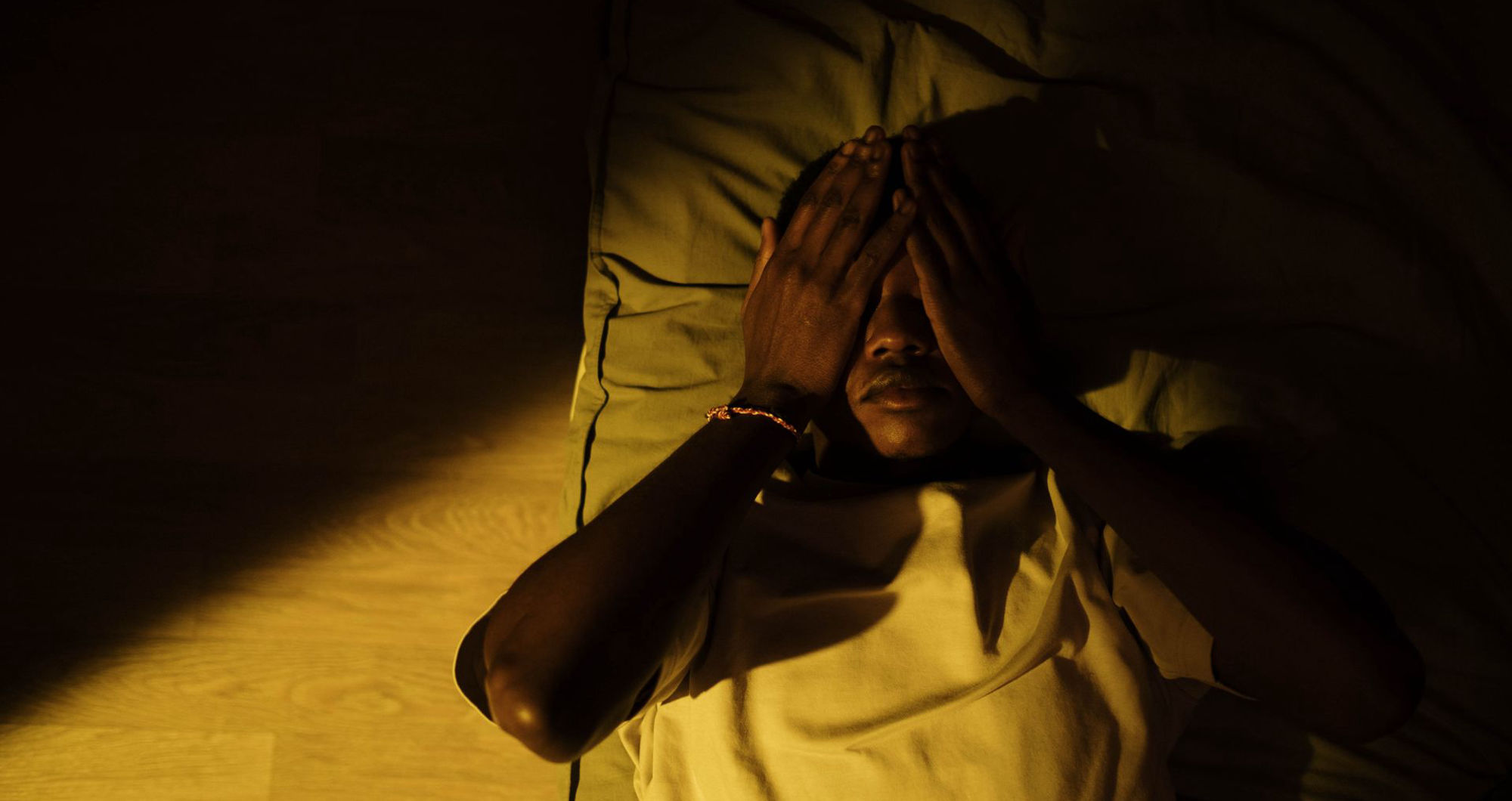

Falling asleep at midnight – or later – while the alarm rings at 6 a.m. isn’t a discipline problem. For many people with ADHD, this repeats every night with very little conscious control over it, and delayed sleep phase syndrome in ADHD is the neurological explanation behind it. Understanding why it happens – and what the signs look like – can change how you approach treatment, school, work, and everyday life. The frustration of lying wide awake for hours while the rest of the household sleeps is something a lot of ADHD brains know intimately. But this isn’t just about naming the problem. It’s about understanding the biological and behavioural mechanisms behind the delay, recognising the signs before they get written off as laziness or poor discipline, and seeing the root causes clearly enough to act on them. Whether you’re dealing with this yourself or supporting someone who is, the full picture matters far more than a surface-level label.
What Is Delayed Sleep Phase Syndrome in ADHD
Delayed sleep phase syndrome – also called DSPS – is a circadian rhythm disorder in which a person’s natural sleep window shifts much later than what’s socially expected. The delayed sleep phase in children with ADHD represents a well-documented overlap where two neurological conditions reinforce each other, making the timing problem much harder to correct through willpower alone. A person with DSPS doesn’t simply “stay up too late” – their body clock genuinely signals wakefulness at 11 p.m. and doesn’t prepare for sleep until 1 a.m. or 2 a.m. Research from the American Academy of Sleep Medicine has noted that individuals with ADHD show circadian misalignment at rates far exceeding the general population, with some estimates suggesting 70 to 80 per cent of those with ADHD also experience major sleep disturbances. That figure isn’t just a statistic to cite and move past – it means sleep disruption is nearly universal in this population, not an occasional side effect.
How ADHD Affects Sleep Timing
The ADHD brain doesn’t regulate arousal the way a neurotypical brain does. Attention systems stay active well into the evening – a state researchers call hyperarousal – and this competes directly with the body’s natural wind-down process. You might notice it as an inability to stop a thought spiral, a sudden burst of creativity at 10 p.m., or a sense that your mind only quiets when the rest of the world goes silent. Sleep onset isn’t delayed because the person isn’t tired. It’s delayed because the brain’s alertness system won’t let go, and since ADHD also affects light sensitivity and the response to melatonin cues, the internal signal that tells your body it’s time to sleep arrives later than it should. That compound effect – arousal that won’t settle plus a melatonin system that fires late – pushes the sleep window further and further from a conventional schedule without deliberate intervention.
Why the Delay Happens at the Neurological Level
At the neurological level, the delay ties back to how ADHD affects neurotransmitter timing and circadian gene expression. The suprachiasmatic nucleus – the brain’s internal clock – depends on consistent dopamine and norepinephrine signals to calibrate the daily sleep-wake cycle, and in ADHD, those signals arrive irregularly, which throws off the precision the circadian system needs. Studies published in Chronobiology International found that ADHD is associated with specific variants in clock genes, including PER3 and CLOCK, that directly shift the circadian phase later. The biology isn’t incidental; it’s hardwired into the same genetic and neurochemical architecture that produces ADHD itself. This also explains why behavioural interventions so often fall short. You can set a consistent bedtime and cut screens after 8 p.m., and the underlying neurological timing problem will still resist correction unless the root causes are addressed directly.
Signs of Delayed Sleep Phase Syndrome in People With ADHD
Spotting delayed sleep phase syndrome in ADHD means looking past surface behaviour to the pattern beneath. The signs don’t always announce themselves as a sleep disorder – they frequently show up first as morning meltdowns, chronic tardiness, or the assumption that someone is simply “not a morning person.” But there’s a real difference between a preference for evenings and a genuine inability to feel sleepy at a normal hour. People with DSPS and ADHD tend to fall asleep easily when they’re allowed to follow their own schedule – an important distinction from insomnia, where sleep itself stays out of reach. If someone sleeps until noon on a weekend without an alarm and wakes feeling genuinely rested, that’s a strong signal the problem is phase delay, not sleep quality. The pattern repeats reliably across weeks, doesn’t improve with early bedtimes alone, and tends to worsen under stress or irregular schedules.
Recognising the Pattern in Nighttime Behaviour
The nighttime signs of DSPS in an ADHD brain are specific enough to distinguish from general restlessness. Common patterns include:
- A consistent inability to fall asleep before 11 p.m. to 1 a.m., even on nights with no screens or stimulation
- A burst of mental energy or creativity in the late evening that feels involuntary
- Lying in bed fully awake for one to three hours after turning the lights off
- Major sleep-onset delay that doesn’t improve after several weeks of consistent early bedtimes
- A strong internal resistance to winding down, not caused by anxiety but by genuine neurological arousal
These aren’t signs of poor sleep hygiene in isolation. Taken together, they form a recognisable cluster pointing to a circadian phase delay rather than a simple habit problem. The person isn’t refusing to sleep, their brain isn’t ready to sleep. That distinction matters enormously for how you respond, since punishing someone for a neurological timing issue does nothing useful and often adds the kind of stress that makes the delay worse.
Daytime Effects and How They Show Up
The daytime effects of DSPS in ADHD extend well beyond tiredness. Sleep deprivation from chronic phase misalignment amplifies every ADHD symptom – attention, impulsivity, emotional regulation, and working memory all get worse with insufficient sleep, and the person is already working with reduced capacity in those areas. You’ll often see:
- Severe difficulty getting up in the morning, sometimes described as feeling physically impossible
- Brain fog that doesn’t lift until late morning or early afternoon
- Irritability or emotional dysregulation in the first hours after waking
- Poor performance at school or work that doesn’t reflect the person’s actual ability
- A second wind that arrives in the evening, reinforcing the delayed cycle
The catch is that many of these effects look identical to untreated ADHD, which makes it easy for clinicians and parents to overlook the sleep component entirely. But addressing DSPS can produce measurable improvements in attention and behaviour – not because the ADHD went away, but because the brain finally gets enough sleep to function at its actual level.
Root Causes Linking ADHD and Sleep Phase Delay
The connection between ADHD and delayed sleep phase syndrome isn’t coincidental. Several overlapping biological and behavioural mechanisms create a system where each condition feeds the other, making sleep phase delay almost predictable in people with ADHD. These root causes operate at different levels – genetic, neurochemical, and behavioural – and each one compounds the overall difficulty. Knowing which factors are at play for a specific person makes any intervention more targeted and more likely to actually work.
Dopamine and the Brain’s Internal Clock
Dopamine plays a central role in both ADHD and circadian rhythm regulation – and that’s no accident. The dopaminergic system modulates arousal, reward timing, and how sensitively the suprachiasmatic nucleus responds to environmental light cues. In ADHD, dopamine availability and signalling are disrupted, so the brain’s clock doesn’t respond to light and darkness with the same precision a neurotypical brain does. Melatonin – the hormone that triggers sleep onset- gets released later in people with ADHD, partly because dopamine dysregulation blunts the normal response to dimming light in the evening. A 2017 study published in Biological Psychiatry found that adults with ADHD showed melatonin onset an average of 1.5 hours later than matched controls without ADHD. The dopamine deficit isn’t just a daytime attention problem; it reshapes the entire 24-hour cycle and pushes the sleep window later in ways that have nothing to do with behaviour.
Executive Function Breakdown and Sleep Habits
Beyond the neurochemical layer, executive function deficits in ADHD create behavioural patterns that make the sleep delay worse. Executive function controls the ability to shift tasks, regulate behaviour across time, and prioritise future outcomes over present engagement. These are exactly the skills you need to stop what you’re doing at 10 p.m. and start a sleep routine. For someone with ADHD, disengaging from a stimulating activity – a video game, a conversation, a creative project – requires more deliberate effort than it does for most people. The result is that the behavioural wind-down process consistently starts too late, even when the person genuinely intends to sleep earlier. Common executive function breakdowns that feed sleep delay include:
- Difficulty transitioning away from engaging activities in the evening
- Poor time perception, leading to underestimating how late it has gotten
- Inconsistent routines that prevent the body from building strong sleep-onset associations
- Hyperfocus episodes that override any intention to stop and rest
These behavioural patterns layer on top of the neurochemical delay and compound it. Addressing both levels – the biological timing problem and the behavioural dysregulation – gives a more complete picture of why sleep phase delay is so persistent in people with ADHD.
Conclusion
Delayed sleep phase syndrome in ADHD isn’t a personality trait or a choice. It’s a neurologically rooted timing problem driven by dopamine dysregulation, altered circadian gene expression, and executive function deficits that make behavioural change genuinely harder than it sounds. The signs – late sleep onset, morning dysfunction, and amplified ADHD symptoms throughout the day – follow a consistent, recognisable pattern. And the causes run far deeper than screens or bedtime rules. Recognising this overlap changes what kind of support actually helps.
Disclaimer: This article is for informational purposes only and is not medical advice, and it does not diagnose ADHD or any sleep disorder. If you or your child struggles with persistent sleep timing problems, speak with a doctor or sleep specialist.
Feature image by Pexels







